
Before Memmo my notes were scattered across PDFs. Now a workspace pulls everything into one place — I see exactly what's still left to study.
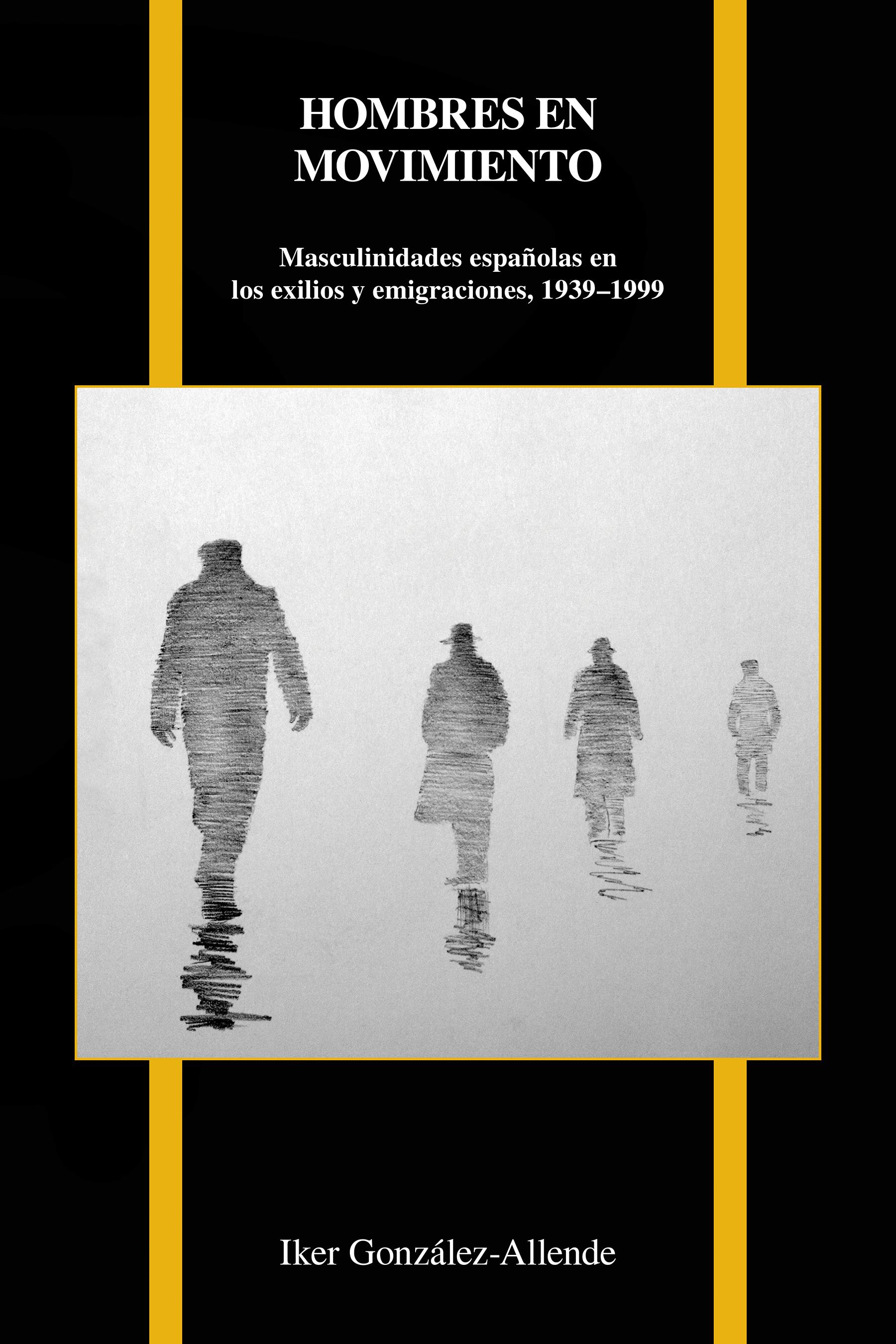
Hombres en movimiento: Masculinidades españolas en los exilios y emigraciones, 1939-1999, de Iker González-Allende, es el primer estudio detallado de cómo el exilio y la emigración influyen en la masculinidad de los hombres españoles, tanto heterosexuales como homosexuales, que se ven obligados a abandonar su país. En el libro, González-Allende analiza la literatura producida por escritores españoles que desde 1939 hasta finales del siglo XX han experimentado el exilio o la emigración, cubriendo tres momentos históricos: el largo exilio republicano como consecuencia de la Guerra Civil Española (1936-1939), la emigración a Europa durante la década de 1960 debido a la crisis económica en España y la reciente emigración de intelectuales a los Estados Unidos a finales del siglo XX. Revelando experiencias recurrentes de aislamiento, inseguridad, discriminación y feminización en el país de acogida, González-Allende sostiene que el exilio y la emigración causan un sentido de crisis, impotencia e inestabilidad en la masculinidad de los hombres desplazados. El autor también examina como tendencia compensatoria que el exilio y la emigración pueden ofrecer a estos hombres una mayor sensación delibertad y una mejora de su situación económica. Cada uno de los siete capítulos analiza una variedad diferente de las masculinidades en el exilio o la emigración: el adolescente, el hombre en crisis, el hombre ocioso, el hombreque retorna a España, el hombre trabajador, el hombre onanista y el hombre académico. Los autores estudiados son asimismo diversos: Luis de Castresana, Juan José Domenchina, Juan Gil-Albert, Max Aub, Francisco Ayala, Patricio Chamizo, Víctor Canicio, Terenci Moix, Antonio Muñoz Molina y Javier Cercas.
Men in Motion: Spanish Masculinities in Exiles and Emigrations, 1939-1999 by Iker González-Allende delivers the first sustained study of how the Spanish masculine identity, of both homosexual and heterosexual men, is impacted when men are compelled to leave their country. In it, González-Allende examines the literary output of Spanish male authors over three periods of emigration and exile: the long Republican exile from Spanish Civil War (1936-1939), the emigration to Europe during the Spanish economic crisis of the 1960s, and the recent period of emigration of intellectuals to the United States through the end of the twentieth century. Revealing and unpacking recurring patterns of isolation, insecurity, discrimination, and feminization in the host country, González-Allende argues that exile and emigration cause a crisis of powerlessness that can have a destabilizing effect on one's masculinity. González-Allende also examines a countervailing trend among Spanish exiles and émigrés of these periods; that from the same crisis some achieve a greater sense of freedom and improve their socioeconomic standing. Each of the seven chapters analyzes a different Spanish male exile or émigré: the adolescent, the man at a crossroad, the idle man, the returning man, the working man, the onanist, and the academician. Works studied are likewise from a range of authors: Luis de Castresana, Juan José Domenchina, Juan Gil-Albert, Max Aub, Francisco Ayala, Patricio Chamizo, Víctor Canicio, Terenci Moix, Antonio Muñoz Molina, and Javier Cercas.
Before Memmo my notes were scattered across PDFs. Now a workspace pulls everything into one place — I see exactly what's still left to study.
Memmo's summaries are gold before exams. I don't have to re-read 800 pages two weeks before — just the important parts.
The AI chat has saved me the night before an exam more than once. I just keep asking until I get it — no waiting on a study group to reply.
The quizzes hit exactly what I need to know. Memmo tracks what I get stuck on — so I only practice what's worth it.
Flashcards with spaced repetition are magic. Memmo knows when I'm about to forget something and brings it back.
The AI podcasts are my favorite. I listen on my way to school and get a recap without sitting at a computer.

Handbok i kvalitativa metoder
281 kr

Hållbar utveckling: en introduktion för ingenjörer och andra problemlösare
334 kr

Brymans Samhällsvetenskapliga metoder
390 kr

Projektledning
491 kr

Den orättvisa hälsan: om socioekonomiska skillnader i hälsa och livslängd
326 kr

Vetenskapsteori för nybörjare
196 kr

Organizational Leadership
429 kr

På väg mot läraryrket
172 kr

Det sociala livet i skolan: Socialpsykologiska perspektiv
253 kr

Betygsättningens didaktik
151 kr

Personality
402 kr

Studying Leadership
404 kr

Managing Innovation
477 kr

Introduktion till samhällsvetenskaplig metod
347 kr

The Psychology of Sex and Gender
698 kr

Evidens och kunskap för socialt arbete
207 kr

Introduction to Leadership
605 kr