
Before Memmo my notes were scattered across PDFs. Now a workspace pulls everything into one place — I see exactly what's still left to study.
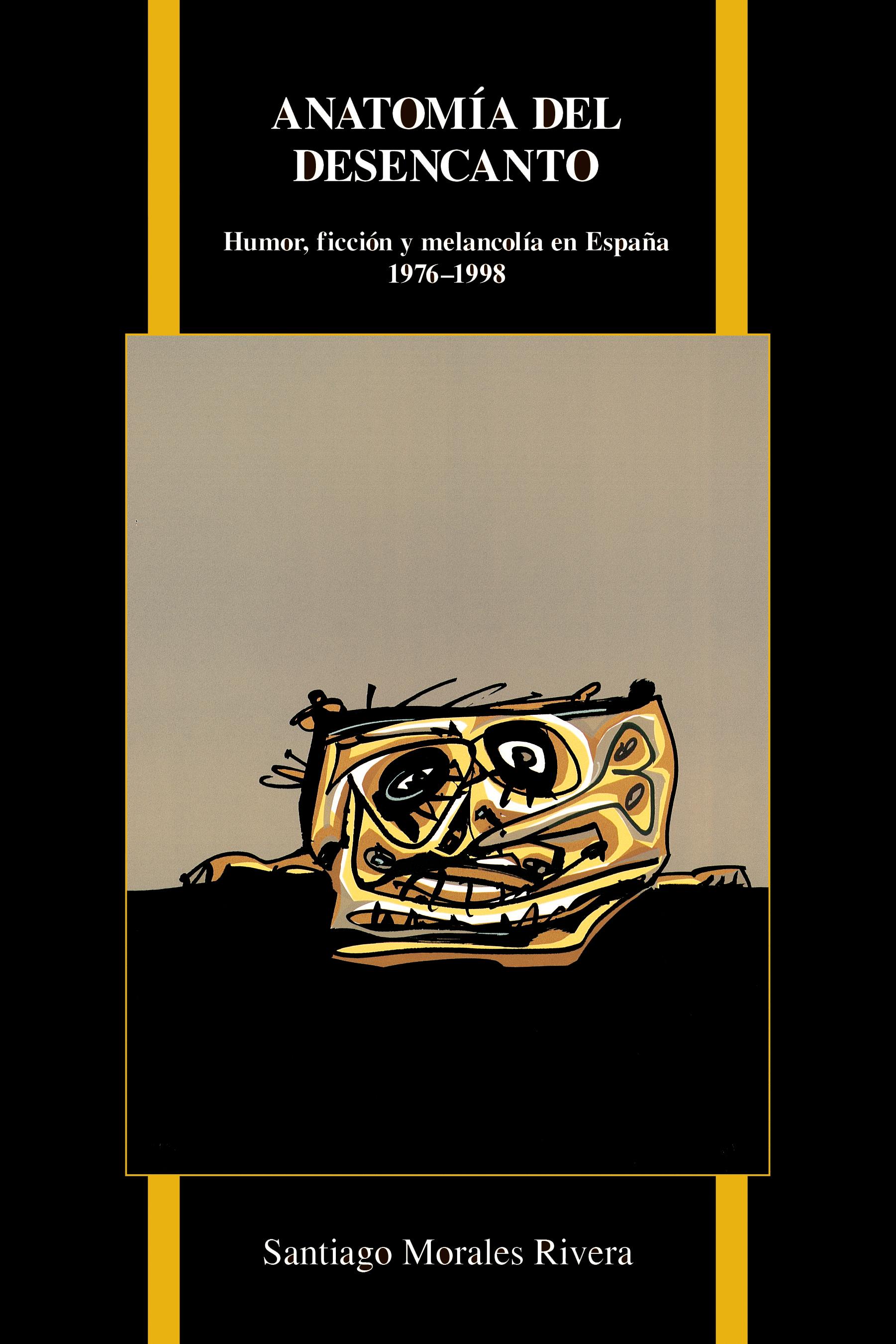
Tras la derrota de los soixante-huitards, el colapso del comunismo europeo y la caída también en torno a 1989 de varias dictaduras y revoluciones en América Latina, el acercamiento sentimental a la historia vuelve a cosechar éxitos entre las humanidades y las ciencias sociales y políticas. En el ámbito hispánico, este "giro afectivo" lleva camino de reproducir otro fin de siècle como el que ya protagonizaron los intelectuales de 1898. Un siglo después, tanto en las universidades españolas como en las anglosajonas nociones como desencanto, trauma, memoria, y empatía informan prácticamente todos los análisis de la cultura española moderna, desde la sanguinaria guerra civil y los casi cuarenta años de fascismo hasta la decepcionante transición a la democracia. Santiago Morales interviene en este acercamiento sentimental a la historia y a la novelística de la transición, recuperando los vínculos y tensiones que mantiene la noción de melancolía con la estética del humor negro en un corpus de obras de ficción escritas entre 1976 y 1998. Mediante una metodología que alterna entre el análisis cuidadoso de novelas de Javier Marías, Gonzalo Torrente Ballester, Cristina Fernández Cubas y Juan José Millás, y el distant reading o el encuadre que coloca estos textos en una historia más amplia, Anatomía del desencanto hace una crítica del lugar equívoco que ocupan en nuestra modernidad sentimientos en otro tiempo tan nobles y obstinados como el duelo, el miedo, la culpa, y la compasión. Mientras que otros estudiosos de la transición abundan en denunciar la persistencia ominosa del franquismo y la posguerra, Santiago Morales ve en el humor negro de la melancolía una fórmula profundamente irónica: un catalizador en el crecimiento creativo y moral de la narrativa española y una herramienta crítica fundamental para cambiar la educación sentimental contemporánea. Escrito en espanõl.
After the failure of the soixante-huitards, the collapse of European communism, and the fall around 1989 of various dictatorships and revolutions in Latin America, the sentimental approach to history is again reaping successes among the humanities and the social and political sciences. In the Hispanic world, this "affective turn" is on its way to repeating another fin de siècle like the one led by the intellectuals of 1898. A century later, in both Spanish and Anglo-Saxon universities, notions such as disenchantment, trauma, memory, and empathy inform virtually all the analyses of modern Spanish culture, from the bloody Civil War and the nearly forty years of fascism that followed it to the disappointing transition to democracy. Santiago Morales intervenes in this sentimental approach to history and to the novelistic production of the transition by recovering the links and tensions that the notion of melancholy maintains with the aesthetics of black humor in a corpus of fictional works written between 1976 and 1998. Through a methodology that alternates between the careful analysis of novels by Javier Marías, Gonzalo Torrente Ballester, Cristina Fernández Cubas, and Juan José Millás, and the distant reading or framing that places these texts in a broader history, Anatomía del desencanto constructs a critique of the equivocal place held in our modern age by feelings that were, in another time, so noble and persistent, such as grief, fear, guilt, and compassion. While other specialists who study the transition today agree in denouncing the ominous persistence of Francoism and the postwar ethos, Santiago Morales sees a deeply ironic formula in the black humor of melancholy: a catalyst in the creative and moral growth of Spanish narrative and a fundamental critical tool to change contemporary sentimental education. Written entirely in Spanish.
Before Memmo my notes were scattered across PDFs. Now a workspace pulls everything into one place — I see exactly what's still left to study.
Memmo's summaries are gold before exams. I don't have to re-read 800 pages two weeks before — just the important parts.
The AI chat has saved me the night before an exam more than once. I just keep asking until I get it — no waiting on a study group to reply.
The quizzes hit exactly what I need to know. Memmo tracks what I get stuck on — so I only practice what's worth it.
Flashcards with spaced repetition are magic. Memmo knows when I'm about to forget something and brings it back.
The AI podcasts are my favorite. I listen on my way to school and get a recap without sitting at a computer.

Handbok i kvalitativa metoder
281 kr

Hållbar utveckling: en introduktion för ingenjörer och andra problemlösare
334 kr

Brymans Samhällsvetenskapliga metoder
390 kr

Projektledning
491 kr

Den orättvisa hälsan: om socioekonomiska skillnader i hälsa och livslängd
326 kr

Vetenskapsteori för nybörjare
196 kr

Organizational Leadership
429 kr

På väg mot läraryrket
172 kr

Det sociala livet i skolan: Socialpsykologiska perspektiv
253 kr

Betygsättningens didaktik
151 kr

Personality
402 kr

Studying Leadership
404 kr

Managing Innovation
477 kr

Introduktion till samhällsvetenskaplig metod
347 kr

The Psychology of Sex and Gender
698 kr

Evidens och kunskap för socialt arbete
207 kr

Introduction to Leadership
605 kr