
Before Memmo my notes were scattered across PDFs. Now a workspace pulls everything into one place — I see exactly what's still left to study.
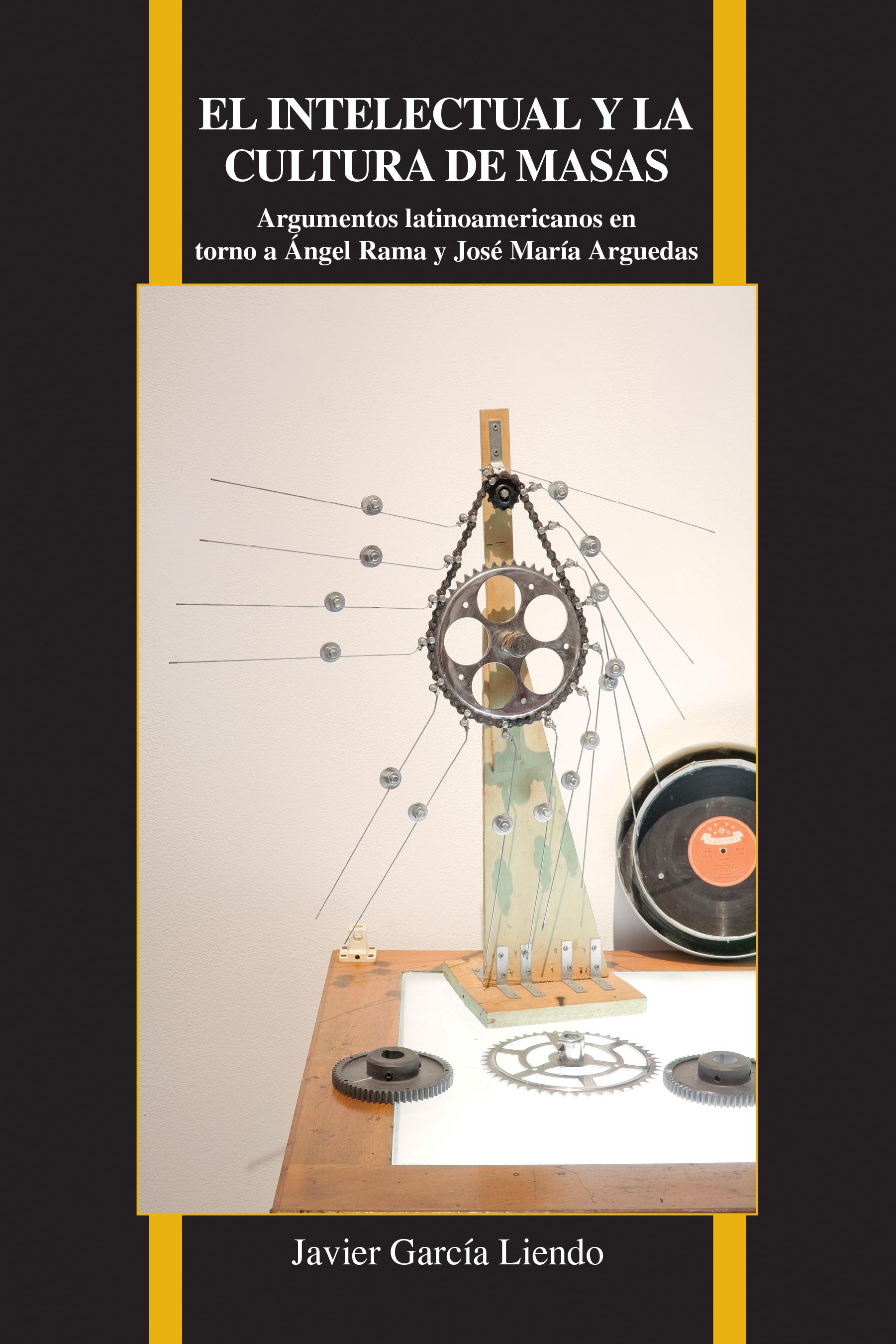
El intelectual y la cultura de masas, de Javier García Liendo, estudia las respuestas intelectuales de Ángel Rama (Uruguay) y José María Arguedas (Perú) a los efectos de la cultura de masas en la cultura de la imprenta latinoamericana y en las culturas indígenas de los Andes. Explora la participación de Rama y Arguedas en la conceptualización y promoción de nuevos espacios culturales incentivados por la mercantilización y la industrialización de la cultura, según el capitalismo transformaba los imaginarios y materialidades que habían dado forma a sus proyectos culturales.
Por medio del análisis de objetos de la cultura de la imprenta, en particular aquellos relacionados con el trabajo editorial de Rama –como los libros de bolsillo y una enciclopedia popular– este trabajo examina las transformaciones que estaban ocurriendo en América Latina, tanto a nivel de la producción como de la circulación, señalando la emergencia de nuevas redes de comunicación entre intelectuales y públicos nacionales y regionales. Similarmente, explora el rol de las tecnologías de comunicación emergentes (grabación de sonido, radio) en la reconfiguración como cultura de masas de las culturas rurales indígenas en el Perú. En este contexto, el trabajo de Arguedas con el folklore y su posterior envolvimiento con la música popular andina en Lima son estudiados como respuestas a un violento proceso de mercantilización de la cultura musical andina, incentivado por las migraciones masivas de las zonas rurales a las ciudades y la urbanización del Perú.
Finalmente, este libro presenta un análisis de Rama y Arguedas que trasciende su categorización como crítico literario y escritor, respectivamente, al analizar sus obras a través del concepto de práctica, el cual reúne la totalidad de su trabajo, incluyendo periodismo, antropología, folklore, edición, creación de redes intelectuales y promoción cultural. Los capítulos de este libro invitan a repensar nociones establecidas sobre la relación entre cultura y capitalismo en una época en que la revolución marcaba dominantemente el campo intelectual latinoamericano.
El intelectual y la cultura de masas, by Javier García Liendo, studies the responses of Ángel Rama (Uruguay) and José María Arguedas (Peru) to the effects of mass culture on Andean indigenous cultures and Latin American print culture during the second half of the twentieth century. It explores the part that Rama and Arguedas played in the conceptualization and promotion of new cultural spaces made possible by commodification and industrialization, as capitalism transformed the imaginaries and materialities that had shaped their cultural projects for Andean and Latin American cultures.
Through a material analysis of print culture objects, in particular those resulting from Rama's editorial ventures―such as pocket paperbacks and a popular encyclopedia―this work examines the transformations occurring at the time in Latin America at the level of production and circulation of culture, and thus sheds light on the emergence of new networks of communication between intellectuals and national and regional publics. Similarly, it explores the role of emergent communication technologies (sound recording and radio) in the reshaping of rural indigenous cultures into a mass-oriented popular culture in Peru. In this context, Arguedas's work with folklore and his later involvement in the Andean popular music scene in Lima are studied as responses to a violent process of commercialization of traditional Andean musical culture, a result of mass migration from rural areas to cities and urbanization.
Finally, this book presents an understanding of Rama and Arguedas that transcends their categorization as literary critic and writer, respectively, by analyzing their work through the concept of practice, which encompasses the totality of their work, including journalism, anthropology, folklore, editorial work, intellectual networking, and cultural promotion. Its chapters invite a rethinking of established notions of the relation between culture and capitalism during the heyday of revolution in the Latin American intellectual field.
Before Memmo my notes were scattered across PDFs. Now a workspace pulls everything into one place — I see exactly what's still left to study.
Memmo's summaries are gold before exams. I don't have to re-read 800 pages two weeks before — just the important parts.
The AI chat has saved me the night before an exam more than once. I just keep asking until I get it — no waiting on a study group to reply.
The quizzes hit exactly what I need to know. Memmo tracks what I get stuck on — so I only practice what's worth it.
Flashcards with spaced repetition are magic. Memmo knows when I'm about to forget something and brings it back.
The AI podcasts are my favorite. I listen on my way to school and get a recap without sitting at a computer.

Handbok i kvalitativa metoder
281 kr

Hållbar utveckling: en introduktion för ingenjörer och andra problemlösare
334 kr

Brymans Samhällsvetenskapliga metoder
390 kr

Projektledning
491 kr

Den orättvisa hälsan: om socioekonomiska skillnader i hälsa och livslängd
326 kr

Vetenskapsteori för nybörjare
196 kr

Organizational Leadership
429 kr

På väg mot läraryrket
172 kr

Det sociala livet i skolan: Socialpsykologiska perspektiv
253 kr

Betygsättningens didaktik
151 kr

Personality
402 kr

Studying Leadership
404 kr

Managing Innovation
477 kr

Introduktion till samhällsvetenskaplig metod
347 kr

The Psychology of Sex and Gender
698 kr

Evidens och kunskap för socialt arbete
207 kr

Introduction to Leadership
605 kr