
Before Memmo my notes were scattered across PDFs. Now a workspace pulls everything into one place — I see exactly what's still left to study.
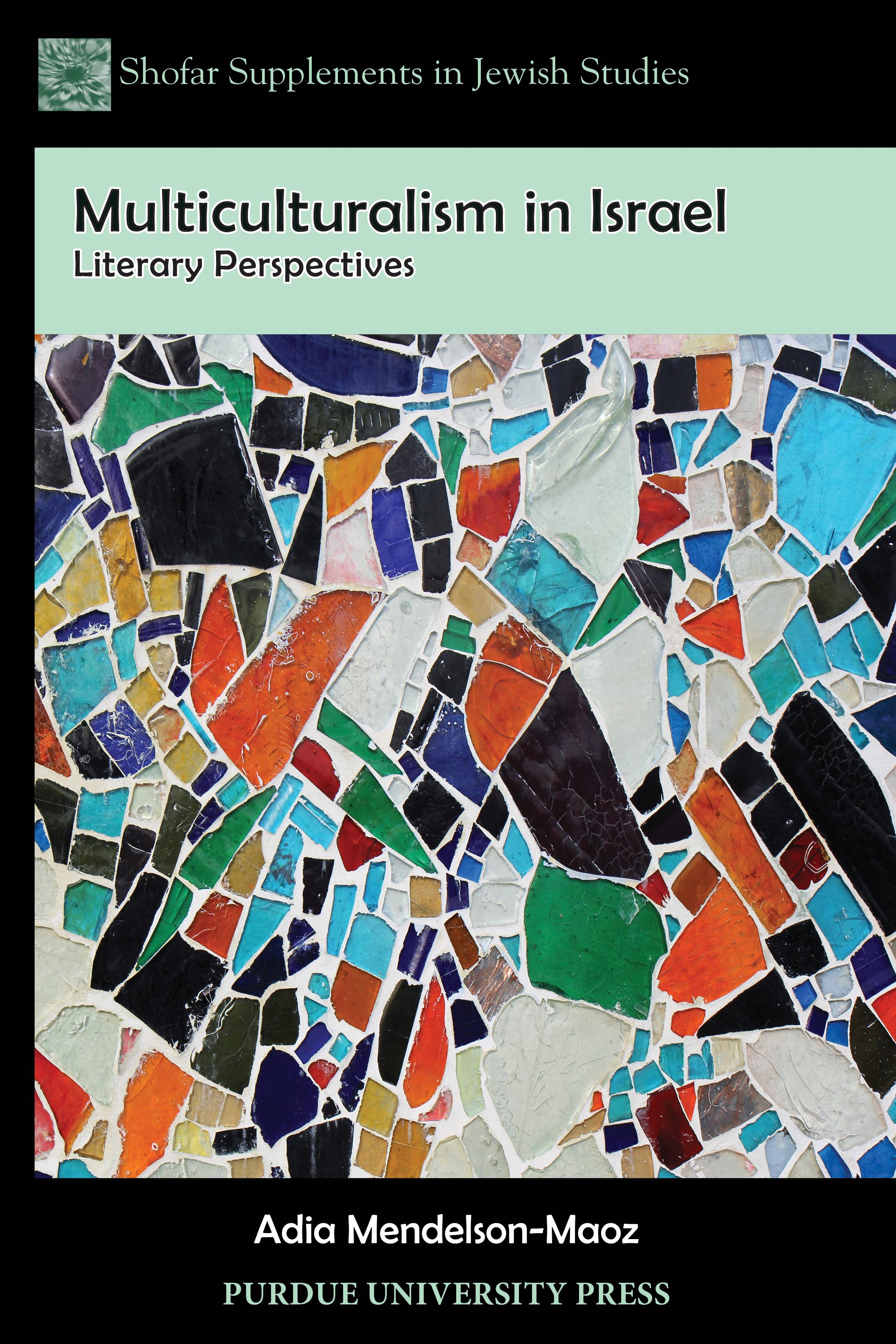
By analyzing its position within the struggles for recognition and reception of different national and ethnic cultural groups, this book offers a bold new picture of Israeli literature. Through comparative discussion of the literatures of Palestinian citizens of Israel, of Mizrahim, of migrants from the former Soviet Union, and of Ethiopian-Israelis, the author demonstrates an unexpected richness and diversity in the Israeli literary scene, a reality very different from the monocultural image that Zionism aspired to create.
Drawing on a wide body of social and literary theory, Mendelson-Maoz compares and contrasts the literatures of the four communities she profiles. In her discussion of the literature of the Palestinian citizens of Israel, she presents the question of language and translation, and she provides three case studies of particular authors and their reception. Her study of Mizrahi literature adopts a chronological approach, starting in the 1950s and proceeding toward contemporary Mizrahi writing, while discussing questions of authenticity and self-determination. The discussion of Israeli literature written by immigrants from the former Soviet Union focuses both on authors who write Israeli literature in Russian and of Russian immigrants writing in Hebrew. The final section of the book provides a valuable new discussion of the work of Ethiopian-Israeli writers, a group whose contributions have seldom been previously acknowledged.
The picture that emerges from this groundbreaking book replaces the traditional, homogeneous historical narrative of Israeli literature with a diversity of voices, a multiplicity of origins, and a wide range of different perspectives. In doing so, it will provoke researchers in a wide range of cultural fields to look at the rich traditions that underlie it in new and fresh ways.
Before Memmo my notes were scattered across PDFs. Now a workspace pulls everything into one place — I see exactly what's still left to study.
Memmo's summaries are gold before exams. I don't have to re-read 800 pages two weeks before — just the important parts.
The AI chat has saved me the night before an exam more than once. I just keep asking until I get it — no waiting on a study group to reply.
The quizzes hit exactly what I need to know. Memmo tracks what I get stuck on — so I only practice what's worth it.
Flashcards with spaced repetition are magic. Memmo knows when I'm about to forget something and brings it back.
The AI podcasts are my favorite. I listen on my way to school and get a recap without sitting at a computer.

Handbok i kvalitativa metoder
281 kr

Hållbar utveckling: en introduktion för ingenjörer och andra problemlösare
334 kr

Brymans Samhällsvetenskapliga metoder
390 kr

Projektledning
491 kr

Den orättvisa hälsan: om socioekonomiska skillnader i hälsa och livslängd
326 kr

Organizational Leadership
429 kr

Vetenskapsteori för nybörjare
196 kr

På väg mot läraryrket
172 kr

Det sociala livet i skolan: Socialpsykologiska perspektiv
253 kr

Betygsättningens didaktik
151 kr

Personality
402 kr

Studying Leadership
404 kr

Managing Innovation
477 kr

Introduktion till samhällsvetenskaplig metod
347 kr

The Psychology of Sex and Gender
698 kr

Evidens och kunskap för socialt arbete
207 kr

Introduction to Leadership
605 kr