
Before Memmo my notes were scattered across PDFs. Now a workspace pulls everything into one place — I see exactly what's still left to study.
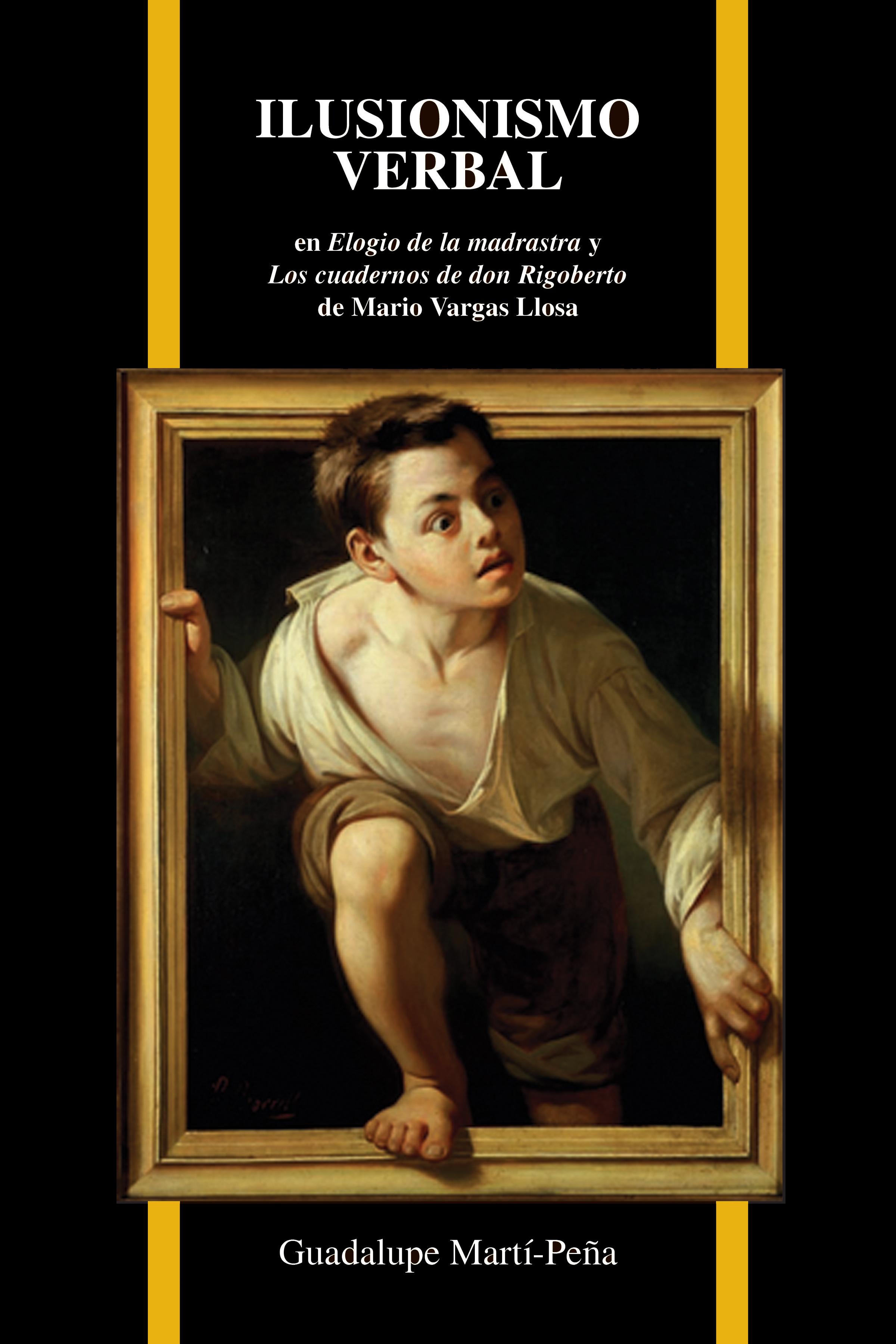
Entre los mltiples modos de acercarse a un autor tan polifactico y prolfico como el escritor peruano Mario Vargas Llosa, quien gan el premio Nobel de 2010, Guadalupe Mart-Pea ha elegido ver al novelista como ilusionista. Estudia ese mundo de fantasas y ensueos, ese campo de guerra aparentemente inofensivo donde la literatura, el teatro, y la pintura se alan con el escritor, el soador, y el ilusionista para derrocar la realidad. Centrndose en Elogio de la madrastra y Los cuadernos de don Rigoberto, as como el efecto de la ilusin en el proceso de la lectura, arguye que Vargas Llosa hace uso de patrones teatrales, pictricos y msticos para hacernos experimentar lo irreal como real, el sueo como realidad y la magia de la ficcin como un acto que nos otorga poder.
Con base a los estudios interartsticos, la semitica y las teoras de la recepcin, analiza cmo estos textos producen en los lectores la triple ilusin de presenciar una obra dramtica, contemplar un cuadro o entreor una convers (ac)in mstica. El primer capitulo del libro se concentra en la teatralidad que anima ambos textos. Partiendo de las teoras sobre la recepcin y la semitica teatral, Mart-Pea investiga el modo en que el autor transforma la narracin en actuacin, la ficcin en performance, y el leer en ver, haciendo que los lectores experimenten la palabra escrita como una representacin viva ante sus ojos. En el segundo reflexiona sobre la funcin que desempea la pintura en la materializacin de los deseos e ilusiones de los personajes. Combinando esttica pictrica y narracin, y bajo el lente de las teoras sobre la relacin imagen-texto, examina las distintas funciones que desempean los cuadros dentro del sistema lingu.stico donde operan. En el ltimo captulo, compara los escritos de Rigoberto con la escritura de autoexamen que Michel Foucault describe en Lcriture de soi. Mientras que el asceta trata de transformar su vida en una obra de perfeccin moral alejando de l las ilusiones, Rigoberto trata de transformar su existencia en una obra de arte congregando fantasas erticas. Ambos textos encapsulan el principal ingrediente activo en la escritura de Vargas Llosa: la ficcin no es sumisin ante la vida sino por el contrario insurreccin contra ella. El ilusionismo verbal se convierte en la tctica ms eficaz para llevar a cabo tal rebelión.
Among the multiple approaches to be taken on an author as multifaceted and prolific as the recent Nobel Laureate Peruvian writer Mario Vargas Llosa, Guadalupe Martí-Peña has chosen to look at the novelist as an illusionist. She studies this land of fantasies and daydreams, that seemingly harmless battlefield where literature, theater, and painting contend and join together with the writer, the dreamer, and the illusionist to oust reality. Focusing on Elogio de la madrastra and Los cuadernos de don Rigoberto, and the effect of illusion on the reading process, she argues that by referring to theatrical, pictorial, and mystical patterns Vargas Llosa entices us to experience, along with his characters, the unreal as real, the dream as reality, the magic of fiction as an empowering act.The book looks first at the theatricality and theatrics that enliven both texts. In the light of reader/spectator-response theories and theater semiotics, Martí-Peña shows how the novelist turns narrating into acting, fiction into performance, and reading into seeing. She next reflects upon the role that painting plays in the materialization of the characters' desires and illusions. By funneling pictorial aesthetics through the prism of narration, and by engaging with theory concerned with issues of text-image interrelations, she examines the various functions paintings play within the linguistic system. Finally, she compares Rigoberto's writing exercises to the writings of self-examination described by Michel Foucault in "L'écriture de soi." Both texts encapsulate the main active ingredient in all of Vargas Llosa's writings: that fiction is not a submission to life, but rather an insurrection against it. Verbal illusionism becomes the most efficient tactic to carry out such a rebellion.The text of this book is in Spanish.
Before Memmo my notes were scattered across PDFs. Now a workspace pulls everything into one place — I see exactly what's still left to study.
Memmo's summaries are gold before exams. I don't have to re-read 800 pages two weeks before — just the important parts.
The AI chat has saved me the night before an exam more than once. I just keep asking until I get it — no waiting on a study group to reply.
The quizzes hit exactly what I need to know. Memmo tracks what I get stuck on — so I only practice what's worth it.
Flashcards with spaced repetition are magic. Memmo knows when I'm about to forget something and brings it back.
The AI podcasts are my favorite. I listen on my way to school and get a recap without sitting at a computer.

Handbok i kvalitativa metoder
281 kr

Hållbar utveckling: en introduktion för ingenjörer och andra problemlösare
334 kr

Brymans Samhällsvetenskapliga metoder
390 kr

Projektledning
491 kr

Den orättvisa hälsan: om socioekonomiska skillnader i hälsa och livslängd
326 kr

Vetenskapsteori för nybörjare
196 kr

Organizational Leadership
429 kr

På väg mot läraryrket
172 kr

Det sociala livet i skolan: Socialpsykologiska perspektiv
253 kr

Betygsättningens didaktik
151 kr

Personality
402 kr

Studying Leadership
404 kr

Managing Innovation
477 kr

Introduktion till samhällsvetenskaplig metod
347 kr

The Psychology of Sex and Gender
698 kr

Evidens och kunskap för socialt arbete
207 kr

Introduction to Leadership
605 kr