
Before Memmo my notes were scattered across PDFs. Now a workspace pulls everything into one place — I see exactly what's still left to study.
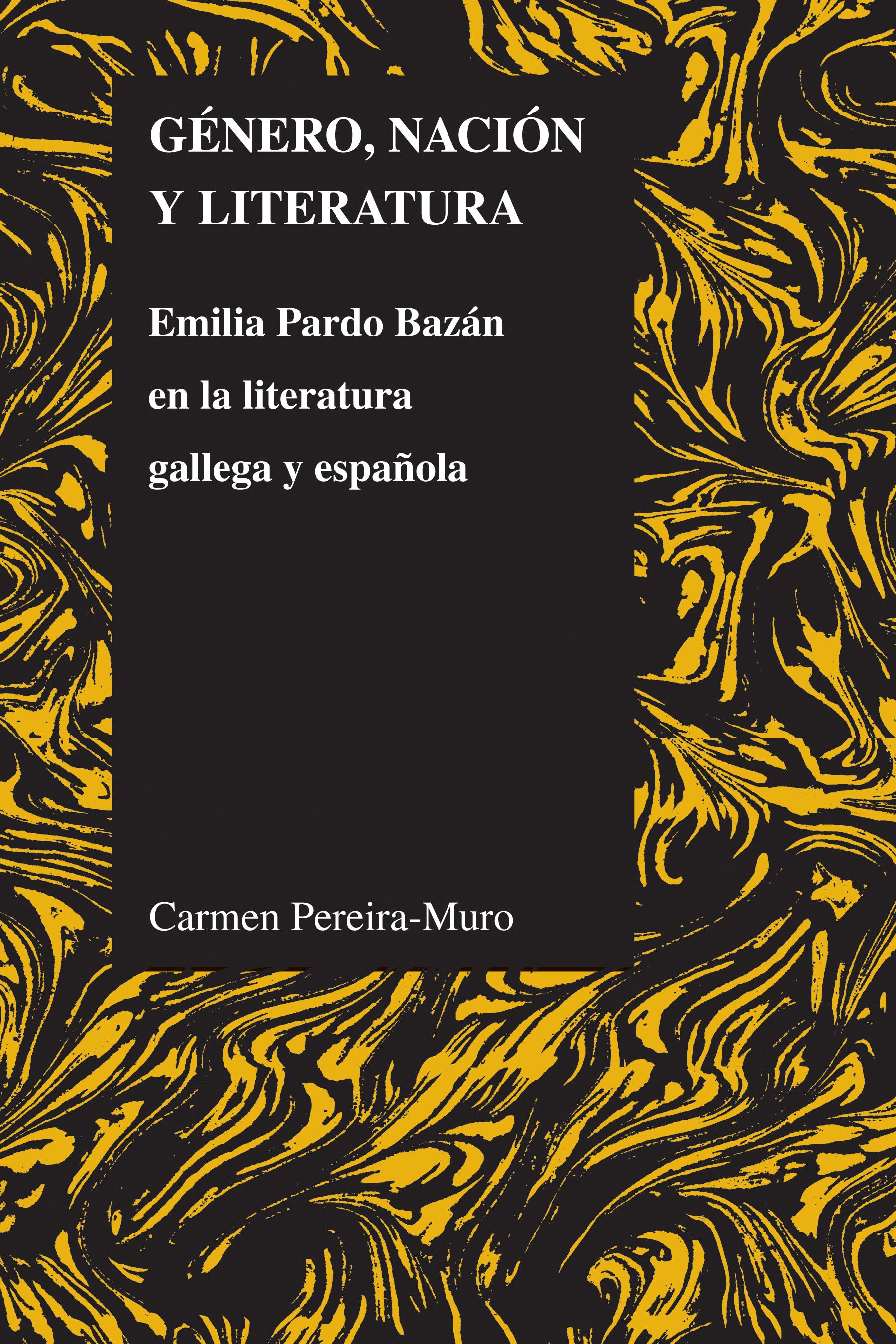
Lugar de Emilia Pardo Bazán en la literatura española y gallega se ha ganado duro, y ella todavía no ha recibido el reconocimiento que se merece. En Género, nación y literatura: Emilia Pardo Bazán en la literatura gallega y Española, Carmen Pereira-Muro estudia la obra y personalidad de este fascinante autor en el contexto de los nacionalismos que compiten español y gallego. Ella vuelve a leer las historias literarias y cánones nacionales de España y Galicia como narrativas patriarcales que luchan para asimilar o silenciar proyecto nacional alternativo de Pardo Bazán.
Pereira-Muro sostiene que Pardo Bazán postuló la inclusión de las mujeres en la cultura nacional como un paso clave para eludir la lógica representacional detrás de realismo y el liberalismo en el estado-nación moderno. Al insistir en que las mujeres deben ser socios iguales, Pardo Bazán adoptó problemáticamente el binarismo patriarcal que asigna a la mujer a la naturaleza y los hombres a la cultura, pero también subvierte que al negar su relación complementaria. Su elección astuta y manipulación de modelos culturales masculinos (Realismo, no Romanticismo; prosa, no la poesía; lengua castellana, no gallego) en última instancia, su- a pesar de la feroz oposición ganaron inclusión en el canon nacional español. Por otra parte, el estudio de sus relaciones con espinosos emergente nacionalismo gallego muestra que su exclusión de la "literatura gallega" se debió en gran parte a su actuación transgresora género. Finalmente Pereira-Muro sostiene que en la última novela del autor, Pardo Bazán experimentó con la creación de una escritura femenina y una femenina canon para España. Sin embargo, la política de género predominantes aseguraron que sólo su producción realista (masculino) lo hizo en el canon español, y no este último modernista escrito, (femenino).
En conclusión, este libro cuestiona la naturalización de los cánones nacionales por el descubrimiento de las políticas de género detrás de lo que se echa determinada como natural por idiomas y geografía. Hacer esto también expone a las restricciones de género paralelas en el trabajo detrás aparentemente opuestos central (español) y (Galicia) proyectos nacionales periféricos.
Emilia Pardo Bazan's place in Spanish and Galician literatures has been hard won, and she has yet to receive the recognition she deserves. In Género, nación y literatura: Emilia Pardo Bazán en la literatura gallega y Española, Carmen Pereira-Muro studies the work and persona of this fascinating author in the context of Spanish and Galician competing nationalisms. She re-reads the literary histories and national canons of Spain and Galicia as patriarchal master narratives that struggle to assimilate or silence Pardo Bazán's alternative national project.
Pereira-Muro argues that Pardo Bazán posited the inclusion of women in the national culture as a key step in circumventing the representational logic behind Realism and Liberalism in the modern nation-state. By insisting that women should be equal partners, Pardo Bazán problematically adopted the patriarchal binarism that assigns women to Nature and men to Culture, but she also subverted it by denying its supplemental relationship. Her astute choice and manipulation of masculine cultural models (Realism, not Romanticism; prose, not poetry; Castilian language, not Galician) ultimately won her-despite fierce opposition-inclusion in the Spanish national canon. Furthermore, the study of her thorny relations with emerging Galician nationalism shows that her exclusion from "Galician literature" was due largely to her transgressive gender performance.
Finally Pereira-Muro contends that in the author's last novel, Pardo Bazán experimented with creating a feminine writing and a feminine canon for Spain. Nevertheless, the prevailing gender politics ensured that only her realist (masculine) production made it into the Spanish canon, and not this last, modernist (feminine) writing. In conclusion, this book questions the naturalization of national canons by uncovering the gender politics behind what is cast as naturally determined by language and geography. Doing this also exposes the parallel gender strictures at work behind seemingly opposed central (Spanish) and peripheral (Galician) national projects.
Before Memmo my notes were scattered across PDFs. Now a workspace pulls everything into one place — I see exactly what's still left to study.
Memmo's summaries are gold before exams. I don't have to re-read 800 pages two weeks before — just the important parts.
The AI chat has saved me the night before an exam more than once. I just keep asking until I get it — no waiting on a study group to reply.
The quizzes hit exactly what I need to know. Memmo tracks what I get stuck on — so I only practice what's worth it.
Flashcards with spaced repetition are magic. Memmo knows when I'm about to forget something and brings it back.
The AI podcasts are my favorite. I listen on my way to school and get a recap without sitting at a computer.

Handbok i kvalitativa metoder
281 kr

Hållbar utveckling: en introduktion för ingenjörer och andra problemlösare
334 kr

Brymans Samhällsvetenskapliga metoder
390 kr

Projektledning
491 kr

Den orättvisa hälsan: om socioekonomiska skillnader i hälsa och livslängd
326 kr

Vetenskapsteori för nybörjare
196 kr

Organizational Leadership
429 kr

På väg mot läraryrket
172 kr

Det sociala livet i skolan: Socialpsykologiska perspektiv
253 kr

Betygsättningens didaktik
151 kr

Personality
402 kr

Studying Leadership
404 kr

Managing Innovation
477 kr

Introduktion till samhällsvetenskaplig metod
347 kr

The Psychology of Sex and Gender
698 kr

Evidens och kunskap för socialt arbete
207 kr

Introduction to Leadership
605 kr