
Before Memmo my notes were scattered across PDFs. Now a workspace pulls everything into one place — I see exactly what's still left to study.
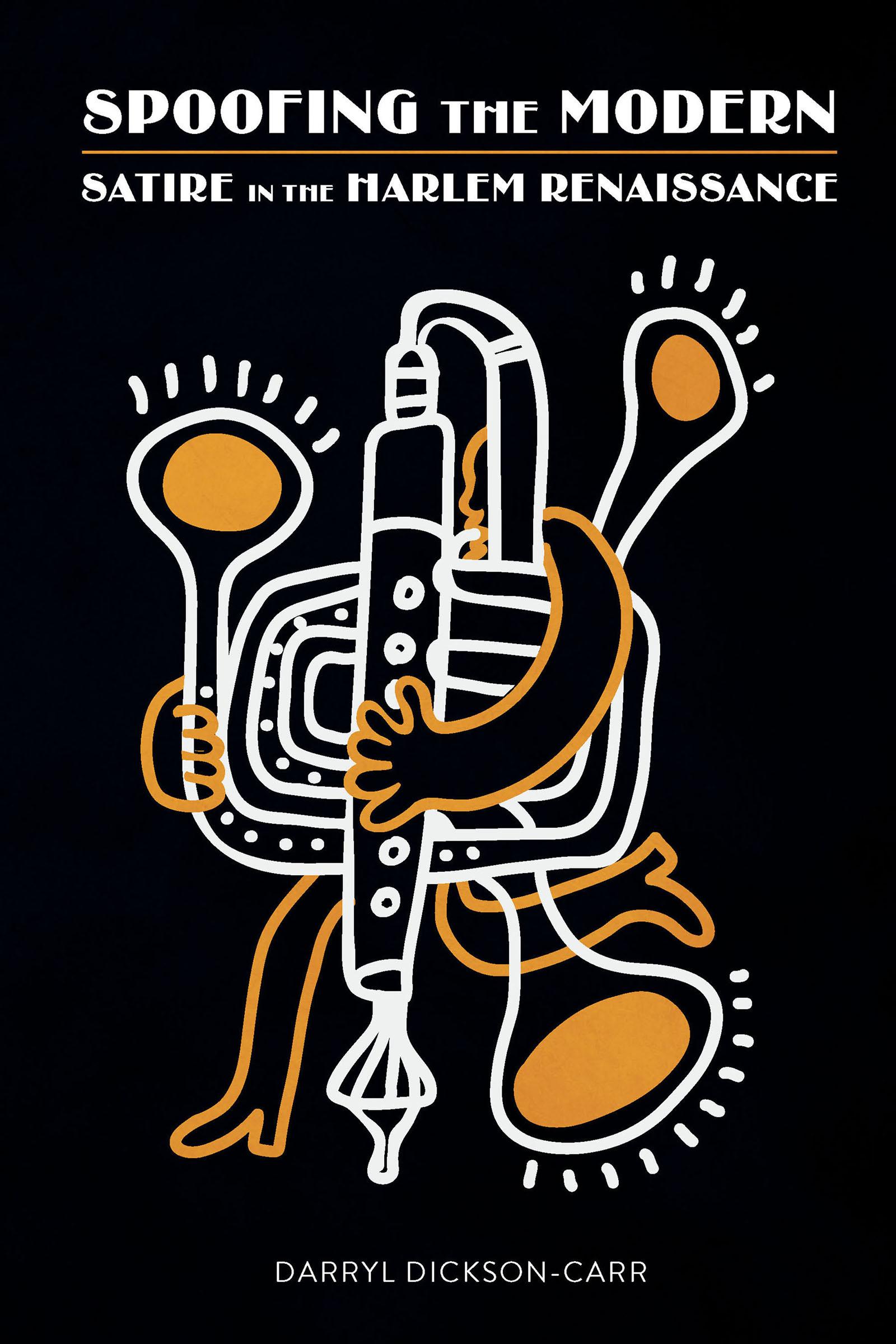
An examination of satirical texts from the first major African American literary movement
Spoofing the Modern is the first book devoted solely to studying the role satire played in the movement known as the "New Negro," or Harlem, Renaissance from 1919 to 1940. As the first era in which African American writers and artists enjoyed frequent access to and publicity from major New York-based presses, the Harlem Renaissance helped the talents, concerns, and criticisms of African Americans to reach a wider audience in the 1920s and 1930s. These writers and artists joined a growing chorus of modernity that frequently resonated in the caustic timbre of biting satire and parody.
The Harlem Renaissance was simultaneously the first major African American literary movement of the twentieth century and the first major blooming of satire by African Americans. Such authors as folklorist and anthropologist Zora Neale Hurston, poet Langston Hughes, journalist George S. Schuyler, writer-editor-poet Wallace Thurman, physician Rudolph Fisher, and artist Richard Bruce Nugent found satire an attractive means to criticize not only American racism, but also the trials of American culture careening toward modernity. Frequently, they directed their satiric barbs toward each other, lampooning the painful processes through which African American artists struggled with modernity, often defined by fads and superficial understandings of culture.
Dickson-Carr argues that these satirists provided the Harlem Renaissance with much of its most incisive cultural criticism. The book opens by analyzing the historical, political, and cultural circumstances that allowed for the "New Negro" in general and African American satire in particular to flourish in the 1920s. Each subsequent chapter then introduces the major satirists within the larger movement by placing each author's career in a broader cultural context, including those authors who shared similar views. Spoofing the Modern concludes with an overview that demonstrates how Harlem Renaissance authors influenced later cultural and literary movements.
Before Memmo my notes were scattered across PDFs. Now a workspace pulls everything into one place — I see exactly what's still left to study.
Memmo's summaries are gold before exams. I don't have to re-read 800 pages two weeks before — just the important parts.
The AI chat has saved me the night before an exam more than once. I just keep asking until I get it — no waiting on a study group to reply.
The quizzes hit exactly what I need to know. Memmo tracks what I get stuck on — so I only practice what's worth it.
Flashcards with spaced repetition are magic. Memmo knows when I'm about to forget something and brings it back.
The AI podcasts are my favorite. I listen on my way to school and get a recap without sitting at a computer.

Handbok i kvalitativa metoder
281 kr

Hållbar utveckling: en introduktion för ingenjörer och andra problemlösare
334 kr

Brymans Samhällsvetenskapliga metoder
390 kr

Projektledning
491 kr

Den orättvisa hälsan: om socioekonomiska skillnader i hälsa och livslängd
326 kr

Organizational Leadership
429 kr

Vetenskapsteori för nybörjare
196 kr

På väg mot läraryrket
172 kr

Det sociala livet i skolan: Socialpsykologiska perspektiv
253 kr

Betygsättningens didaktik
151 kr

Personality
402 kr

Studying Leadership
404 kr

Managing Innovation
477 kr

Introduktion till samhällsvetenskaplig metod
347 kr

The Psychology of Sex and Gender
698 kr

Evidens och kunskap för socialt arbete
207 kr

Introduction to Leadership
605 kr