
Before Memmo my notes were scattered across PDFs. Now a workspace pulls everything into one place — I see exactly what's still left to study.
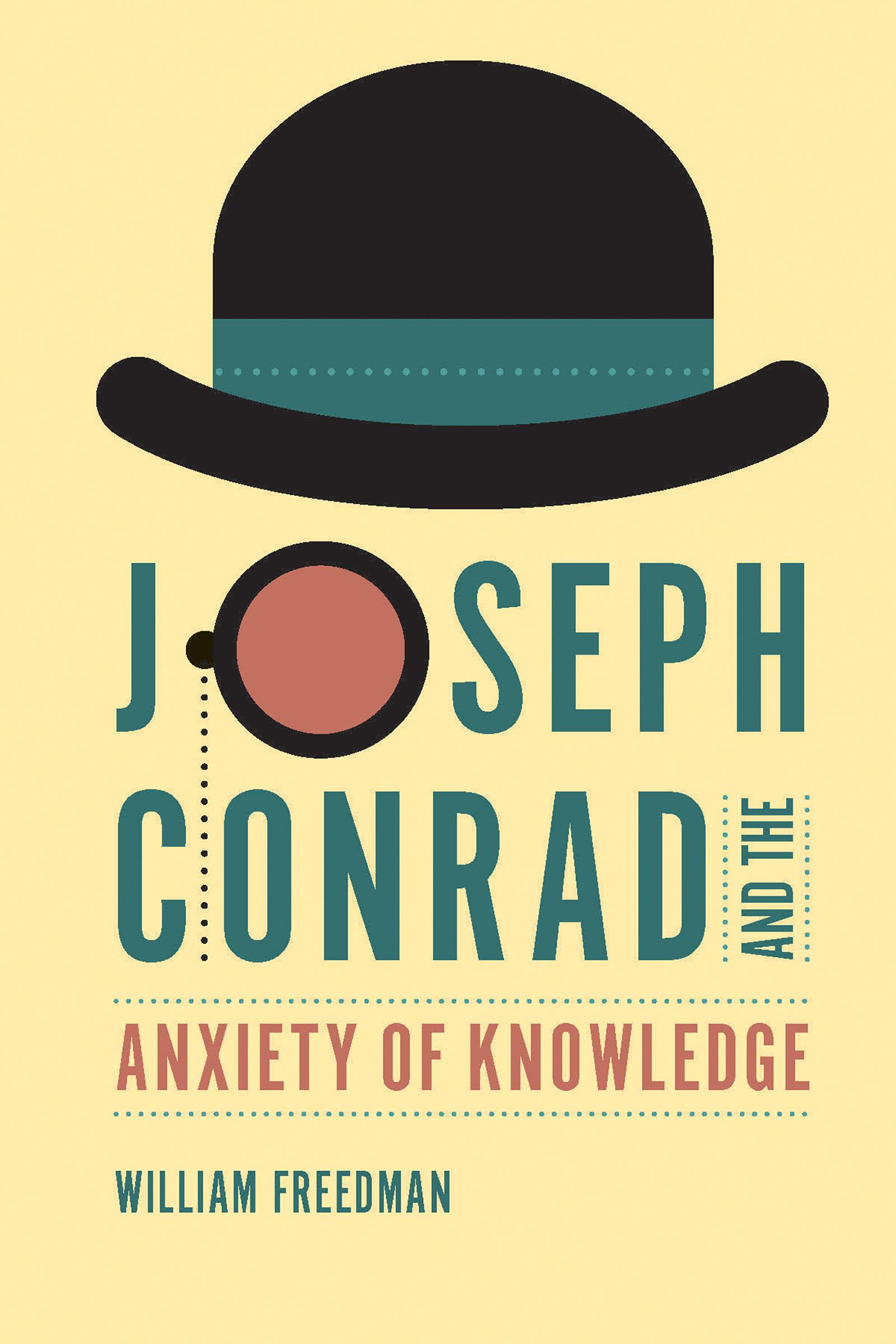
An alternate view of the perplexing and often contradictory fiction of an elusive author
Few if any writers in the English language have been cited, praised, chided, or marveled at more routinely than Joseph Conrad for the perplexing evasiveness, contradictoriness, and indeterminacy of their fiction. William Freedman argues that the explanations typically offered for these identifying characteristics of much of Conrad's work are inadequate if not mistaken.
Freedman's claim is that the illusiveness of a coherent interpretation of Conrad's novels and shorter fictions is owed not primarily to the inherent slipperiness or inadequacy of language or the consequence of a willful self-deconstruction. Nor is it a product of the writer's philosophical nihilism or a realized aesthetic of suggestive vagueness. Rather, Freedman argues, the perplexing elusiveness of Conrad's fiction is the consequence of a pervasive ambivalence toward threatening knowledge, a protective reluctance and recoil that are not only inscribed in Conrad's tales and novels, but repeatedly declared, defended, and explained in his letters and essays.
Conrad's narrators and protagonists often set out on an apparent quest for hidden knowledge or are drawn into one. But repelled or intimidated by the looming consequences of their own curiosity and fervor, they protectively obscure what they have barely glimpsed or else retreat to an armory of practiced distractions. The result is a confusingly choreographed dance of approach and withdrawal, fascination and revulsion, revelation and concealment. The riddling contradictions of these fictions are thus in large measure the result of this ambivalence, their evasiveness the mark of intimidation's triumph over fascination.
The idea of dangerous and forbidden knowledge is at least as old as Genesis, and Freedman provides a background for Conrad's recoil from full exposure in the rich admonitory history of such knowledge in theology, myth, philosophy, and literature. He traces Conrad's impassioned, at times pleading case for protective avoidance in the writer's letters, essays, and prefaces, and he elucidates its enactment and its connection to Conrad's signature evasiveness in a number of short stories and novels, with special attention to The Secret Agent, Heart of Darkness, Lord Jim, Under Western Eyes, and The Rescue.
Before Memmo my notes were scattered across PDFs. Now a workspace pulls everything into one place — I see exactly what's still left to study.
Memmo's summaries are gold before exams. I don't have to re-read 800 pages two weeks before — just the important parts.
The AI chat has saved me the night before an exam more than once. I just keep asking until I get it — no waiting on a study group to reply.
The quizzes hit exactly what I need to know. Memmo tracks what I get stuck on — so I only practice what's worth it.
Flashcards with spaced repetition are magic. Memmo knows when I'm about to forget something and brings it back.
The AI podcasts are my favorite. I listen on my way to school and get a recap without sitting at a computer.

Handbok i kvalitativa metoder
281 kr

Hållbar utveckling: en introduktion för ingenjörer och andra problemlösare
334 kr

Brymans Samhällsvetenskapliga metoder
390 kr

Projektledning
491 kr

Den orättvisa hälsan: om socioekonomiska skillnader i hälsa och livslängd
326 kr

Vetenskapsteori för nybörjare
196 kr

Organizational Leadership
429 kr

På väg mot läraryrket
172 kr

Det sociala livet i skolan: Socialpsykologiska perspektiv
253 kr

Betygsättningens didaktik
151 kr

Personality
402 kr

Studying Leadership
404 kr

Managing Innovation
477 kr

Introduktion till samhällsvetenskaplig metod
347 kr

The Psychology of Sex and Gender
698 kr

Evidens och kunskap för socialt arbete
207 kr

Introduction to Leadership
605 kr