
Before Memmo my notes were scattered across PDFs. Now a workspace pulls everything into one place — I see exactly what's still left to study.
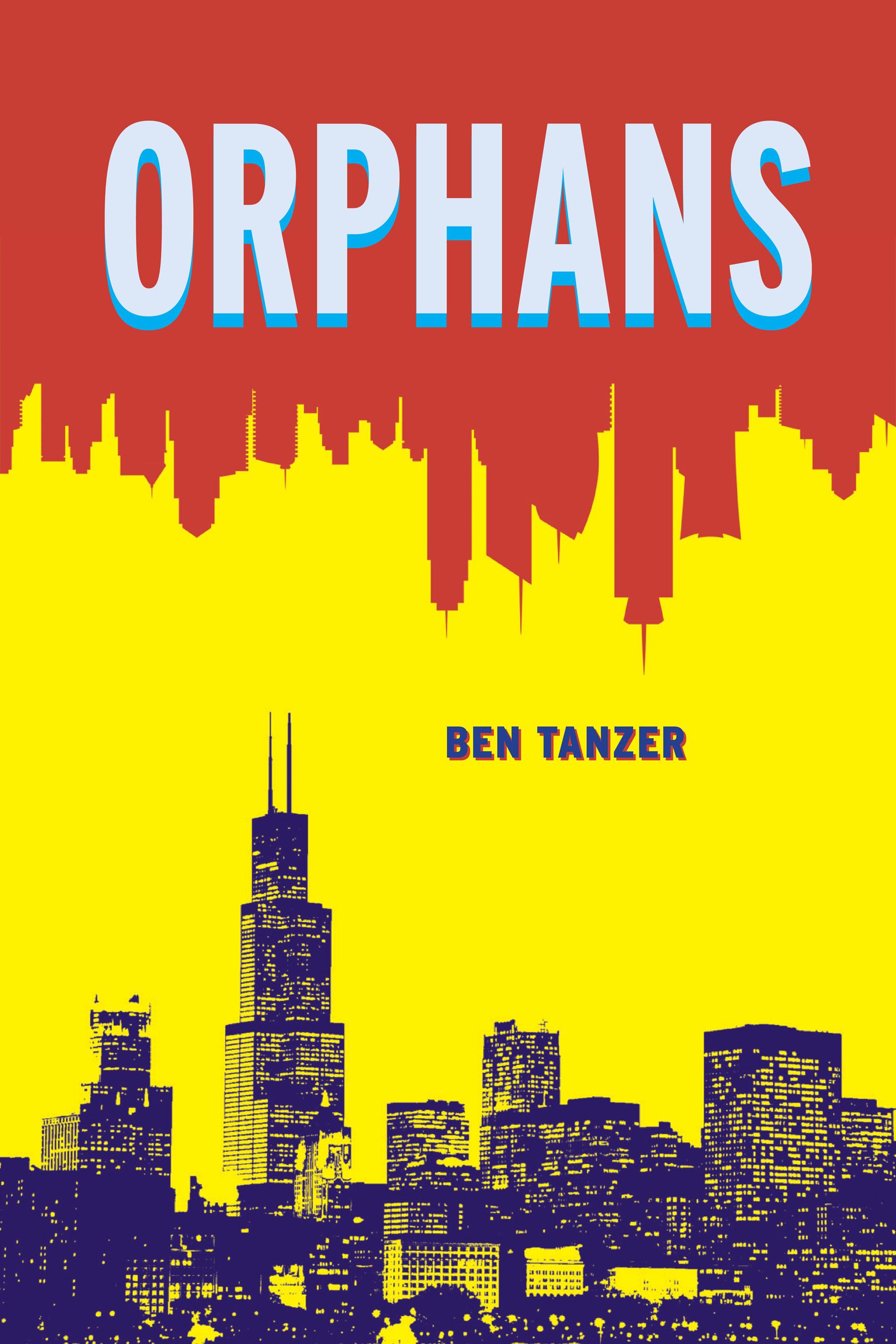
With Orphans, Ben Tanzer continues his ongoing literary survey of the twenty-first-century male psyche, yet does so with a newfound twist, contemporary themes set in a world that is anything but. In this dystopian tale of a future Chicago, workers are sent off to sell property on Mars to those who can afford to leave, leaving what's left to those who have little choice but to make do with what's left behind: burnt out neighborhoods, black helicopters policing the streets, flash mobs, the unemployed in their scruffy suits, robots taking the few jobs that remain, and clones who replace those workers who do find work so that a modicum of family stability can be maintained. It is a story about the impact of work on family. How work warps our best intentions. And how everything we think we know about ourselves looks different during a recession.
This idea is writ large in the world of Orphans, where recession is all we know, work is only available to the lucky few, and this lucky few not only need to fear being replaced on the job, but in their homes and beds. It is also a story about drugs, surfing, punk music, lost youth, parenting, sex, pop culture as vernacular, and a conscious intersection of Death of a Salesman or Glengarry Glen Ross with the Martian Chronicles.
Looking to the genre of science fiction has allowed Tanzer to produce something new and fresh, expanding both his literary horizons, and the potential market for his work. Tanzer also looks to the story of Bartleby the Scrivener with Orphans, and the question of what are we allowed as workers, and expected to be, or do, when work is fraught with desperation. Ultimately, Orphans is intended to be a contemporary story about manhood and what it means in today's world, told from the perspective of work and family, and how any of us manage the parameters that family and work produce; but it's a story told in a futuristic world, where our greatest fears are in fact already realized, because there isn't enough of anything, and we are all too easily replaced.
Before Memmo my notes were scattered across PDFs. Now a workspace pulls everything into one place — I see exactly what's still left to study.
Memmo's summaries are gold before exams. I don't have to re-read 800 pages two weeks before — just the important parts.
The AI chat has saved me the night before an exam more than once. I just keep asking until I get it — no waiting on a study group to reply.
The quizzes hit exactly what I need to know. Memmo tracks what I get stuck on — so I only practice what's worth it.
Flashcards with spaced repetition are magic. Memmo knows when I'm about to forget something and brings it back.
The AI podcasts are my favorite. I listen on my way to school and get a recap without sitting at a computer.

Handbok i kvalitativa metoder
281 kr

Hållbar utveckling: en introduktion för ingenjörer och andra problemlösare
334 kr

Brymans Samhällsvetenskapliga metoder
390 kr

Projektledning
491 kr

Den orättvisa hälsan: om socioekonomiska skillnader i hälsa och livslängd
326 kr

Organizational Leadership
429 kr

Vetenskapsteori för nybörjare
196 kr

På väg mot läraryrket
172 kr

Det sociala livet i skolan: Socialpsykologiska perspektiv
253 kr

Betygsättningens didaktik
151 kr

Personality
402 kr

Studying Leadership
404 kr

Managing Innovation
477 kr

Introduktion till samhällsvetenskaplig metod
347 kr

The Psychology of Sex and Gender
698 kr

Evidens och kunskap för socialt arbete
207 kr

Introduction to Leadership
605 kr