
Before Memmo my notes were scattered across PDFs. Now a workspace pulls everything into one place — I see exactly what's still left to study.
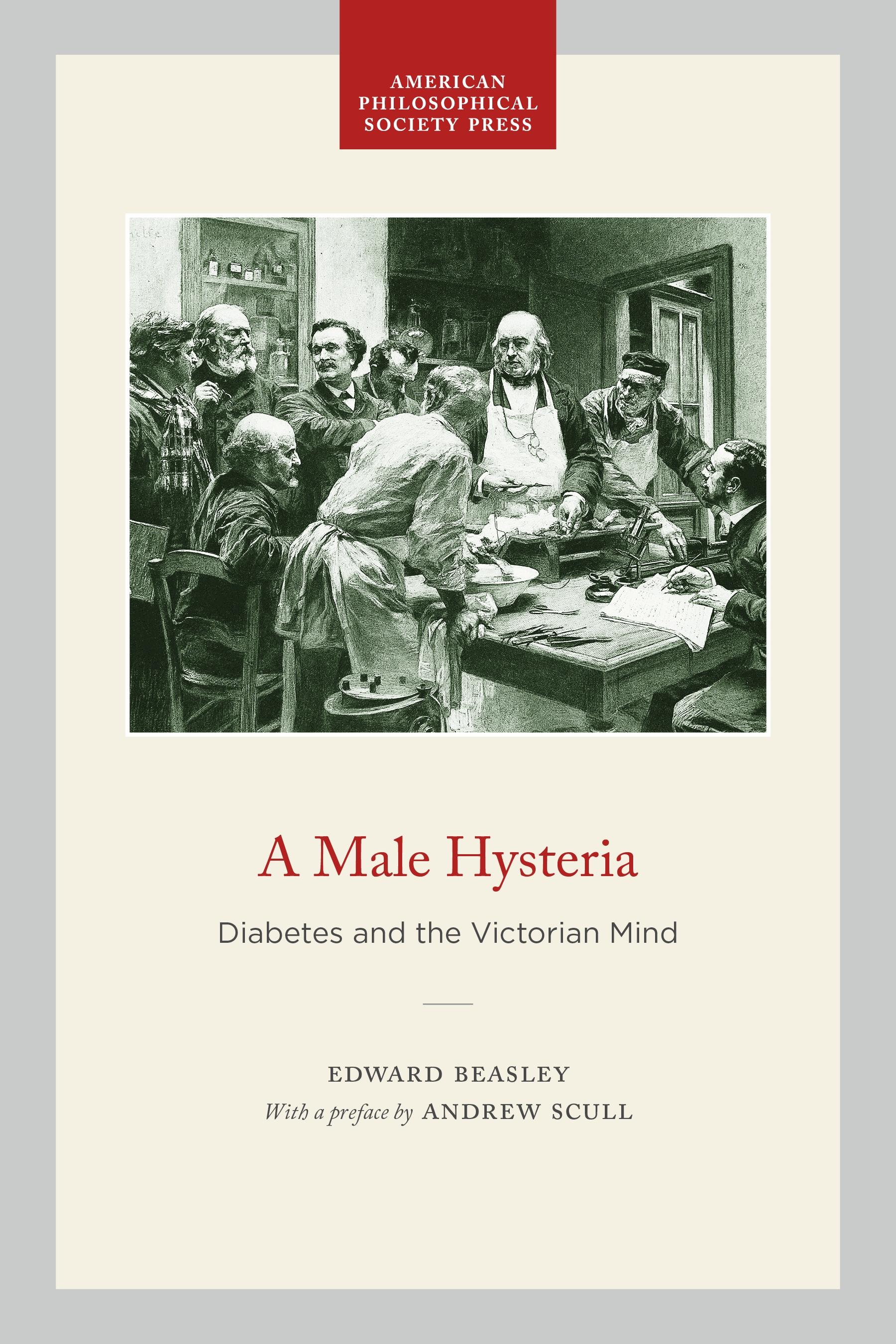
A history of diabetes science and the experience of diabetics in the nineteenth-century England
A Male Hysteria examines both the science of diabetes in nineteenth-century England and the testimony of Victorian diabetics. What could be known about diabetes given the science of the day? And what did new models of diabetes mean for the treatment and self-image of diabetics?
Ideas about diabetes were revolutionized in 1849 by the great French physiologist Claude Bernard. After he made rabbits diabetic by pricking their brains, diabetes in England came to be thought of as neurological, even psychological in origin. British diabetics (often men) were prevented from working or becoming excited, treated in the same manner as women who were diagnosed with hysteria. Meanwhile, discoveries in thermodynamics were applied to diabetics and menstruating women. People were assumed to be closed systems, wasting energy that couldn't be replenished. Thus, diabetics had to stay still if they wanted to live and women had to stay away from education to have the energy to produce children.
Some people resisted these hysterical views. As no brain lesion was ever found in deceased diabetics, even after decades of searching, the animal model of the disease no longer seemed to apply to humans. Some diabetic patients also resisted the hysterical picture, including medical professionals—both men and women—who refused to slow down as the new treatment regimen was mandated. Likewise, physicians at spas noted that walking long distances seemed to help diabetics.
A Male Hysteria journeys through nineteenth-century diabetes science and the lives of diabetics. It examines how science can go wrong when models from one area of inquiry are too excitedly applied to another. It also demonstrates the persistence of the psychological stereotype of diabetics as nervous and overworked in the United Kingdom—long after medical attention turned to the pancreas and the role of insulin.
Before Memmo my notes were scattered across PDFs. Now a workspace pulls everything into one place — I see exactly what's still left to study.
Memmo's summaries are gold before exams. I don't have to re-read 800 pages two weeks before — just the important parts.
The AI chat has saved me the night before an exam more than once. I just keep asking until I get it — no waiting on a study group to reply.
The quizzes hit exactly what I need to know. Memmo tracks what I get stuck on — so I only practice what's worth it.
Flashcards with spaced repetition are magic. Memmo knows when I'm about to forget something and brings it back.
The AI podcasts are my favorite. I listen on my way to school and get a recap without sitting at a computer.

Handbok i kvalitativa metoder
281 kr

Hållbar utveckling: en introduktion för ingenjörer och andra problemlösare
334 kr

Brymans Samhällsvetenskapliga metoder
390 kr

Projektledning
491 kr

Den orättvisa hälsan: om socioekonomiska skillnader i hälsa och livslängd
326 kr

Organizational Leadership
429 kr

Vetenskapsteori för nybörjare
196 kr

På väg mot läraryrket
172 kr

Det sociala livet i skolan: Socialpsykologiska perspektiv
253 kr

Betygsättningens didaktik
151 kr

Personality
402 kr

Studying Leadership
404 kr

Managing Innovation
477 kr

Introduktion till samhällsvetenskaplig metod
347 kr

The Psychology of Sex and Gender
698 kr

Evidens och kunskap för socialt arbete
207 kr

Introduction to Leadership
605 kr