
Before Memmo my notes were scattered across PDFs. Now a workspace pulls everything into one place — I see exactly what's still left to study.
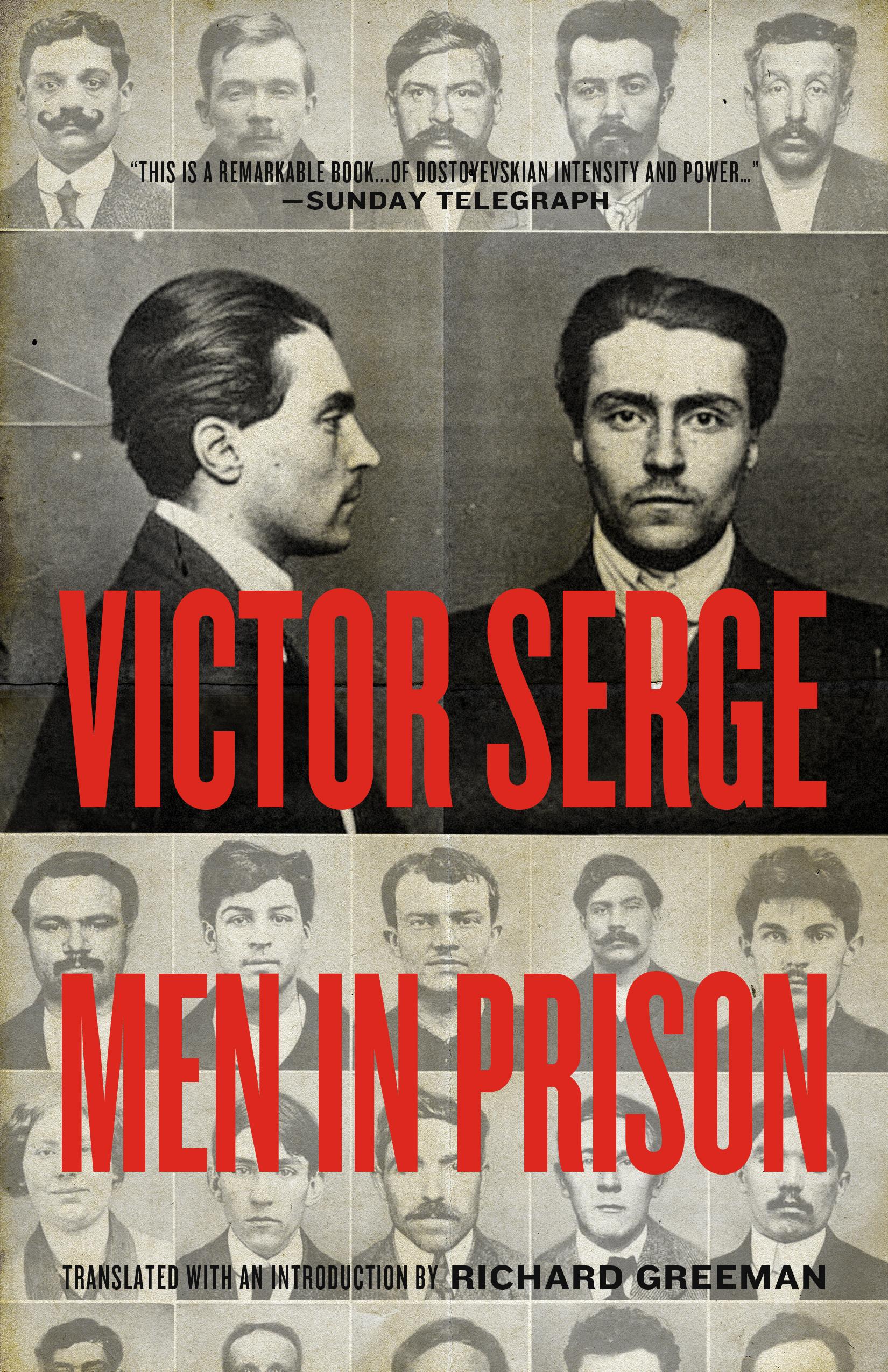
“Everything in this book is fictional and everything is true,” wrote Victor Serge in the epigraph to Men in Prison. “I have attempted, through literary creation, to bring out the general meaning and human content of a personal experience.”
The author of Men in Prison served five years in French penitentiaries (1912–1917) for the crime of “criminal association”—in fact for his courageous refusal to testify against his old comrades, the infamous “Tragic Bandits” of French anarchism. “While I was still in prison,” Serge later recalled, “fighting off tuberculosis, insanity, depression, the spiritual poverty of the men, the brutality of the regulations, I already saw one kind of justification of that infernal voyage in the possibility of describing it. Among the thousands who suffer and are crushed in prison—and how few men really know that prison!—I was perhaps the only one who could try one day to tell all… There is no novelist’s hero in this novel, unless that terrible machine, prison, is its real hero. It is not about ‘me,’ about a few men, but about men, all men crushed in that dark corner of society.”
Ironically, Serge returned to writing upon his release from a GPU prison in Soviet Russia, where he was arrested as an anti-Stalinist subversive in 1928. He completed Men in Prison (and two other novels) in “semi-captivity” before he was rearrested and deported to the Gulag in 1933. Serge’s classic prison novel has been compared to Dostoyevsky’s House of the Dead, Koestler’s Spanish Testament, Genet’s Miracle of the Rose, and Solzhenitsyn’s One Day in the Life of Ivan Denisovitch both for its authenticity and its artistic achievement.
This edition features a substantial new introduction by translator Richard Greeman, situating the work in Serge’s life and times.
Before Memmo my notes were scattered across PDFs. Now a workspace pulls everything into one place — I see exactly what's still left to study.
Memmo's summaries are gold before exams. I don't have to re-read 800 pages two weeks before — just the important parts.
The AI chat has saved me the night before an exam more than once. I just keep asking until I get it — no waiting on a study group to reply.
The quizzes hit exactly what I need to know. Memmo tracks what I get stuck on — so I only practice what's worth it.
Flashcards with spaced repetition are magic. Memmo knows when I'm about to forget something and brings it back.
The AI podcasts are my favorite. I listen on my way to school and get a recap without sitting at a computer.

Handbok i kvalitativa metoder
281 kr

Hållbar utveckling: en introduktion för ingenjörer och andra problemlösare
334 kr

Brymans Samhällsvetenskapliga metoder
390 kr

Projektledning
491 kr

Den orättvisa hälsan: om socioekonomiska skillnader i hälsa och livslängd
326 kr

Organizational Leadership
429 kr

Vetenskapsteori för nybörjare
196 kr

På väg mot läraryrket
172 kr

Det sociala livet i skolan: Socialpsykologiska perspektiv
253 kr

Betygsättningens didaktik
151 kr

Personality
402 kr

Studying Leadership
404 kr

Managing Innovation
477 kr

Introduktion till samhällsvetenskaplig metod
347 kr

The Psychology of Sex and Gender
698 kr

Evidens och kunskap för socialt arbete
207 kr

Introduction to Leadership
605 kr