
Before Memmo my notes were scattered across PDFs. Now a workspace pulls everything into one place — I see exactly what's still left to study.
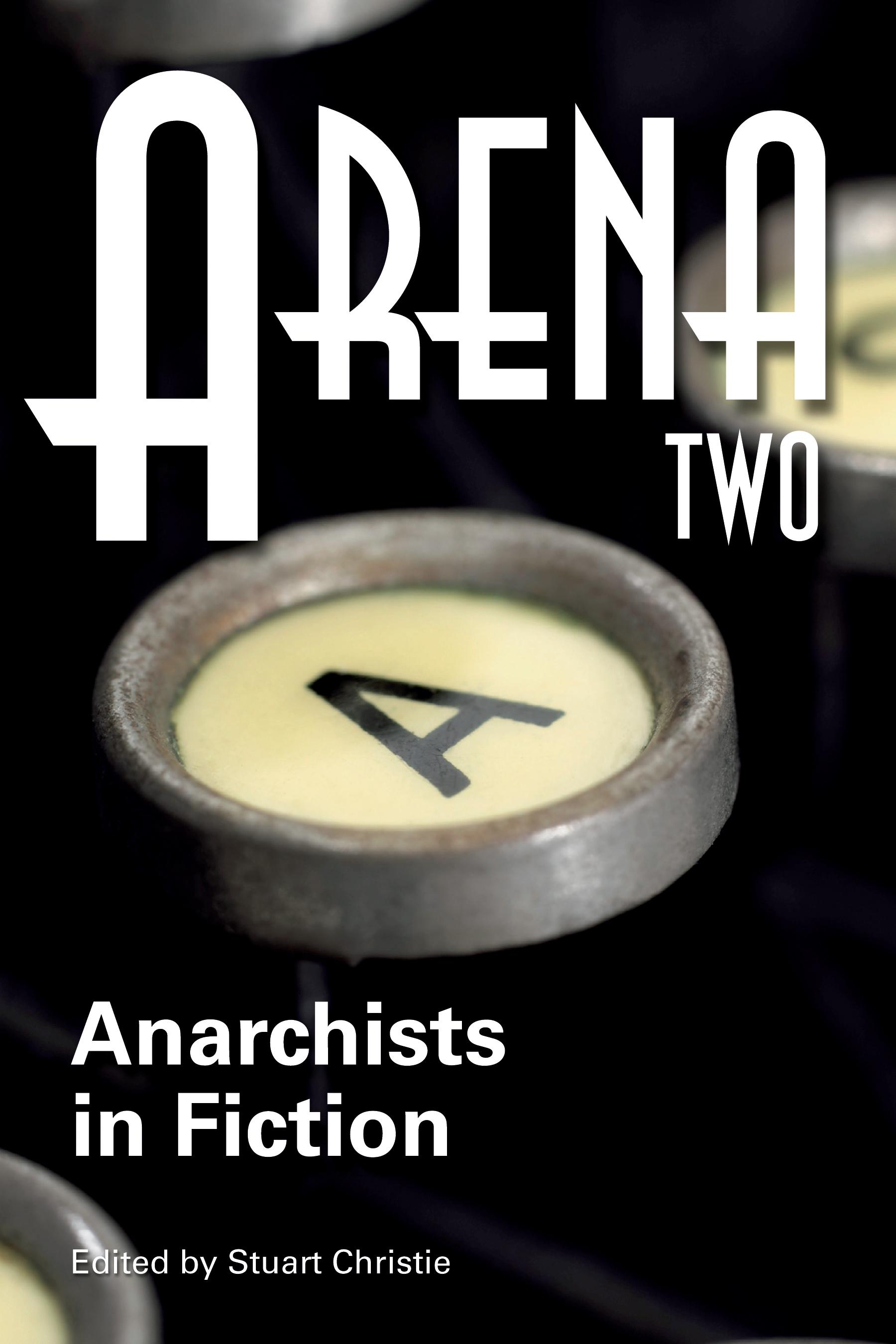
In the second issue of Arena we aim to provide general insights into the role of the anarchist in fiction, both as protagonist and author.
David Weir’s essay “Anarchist Fiction, Anarchist Sensibilities” focuses on the progenitor of anarchist fiction, William Godwin’s Caleb Williams, published in 1794, that demonstrated the pressing need for the utopian system he described in the first systematic elaboration of anarchist philosophy, Enquiry Concerning Political Justice.
“Epic Pooh” is a newly updated revision of a 1978 article by Michael Moorcock reviewing epic fantasy literature for children, particularly J.R.R. Tolkien’s The Lord of the Rings.
While researching early twentieth-century French anarchist plays translated into Italian, Santo Catanuto discovered interesting information on the literary side of the Communard Louise Michel, indicating that she was the author of Twenty Thousand Leagues Under The Sea.
Stephen Schwartz, a longtime critic of the detective novel, evaluates the arc of French writer Leo Malet from anarchist to arabophobe and in “Between Libel And Hoax,” counters Miguel Mir’s libelous depiction of the Spanish anarchist movement, Entre el roig i el negre.
In his discourse on B. Traven’s The Death Ship, Ernest Larsen looks at the intractable modern problem of identity. Larsen’s short story “Bakunin At The Beach” is about Mr. and Mrs. Bakunin holidaying at Lake Maggiore under the watchful eyes of Inspector Dupin of the Swiss Department of Justice and Police.
Joseph Conrad’s short story “An Anarchist: A Desperate Tale” is republished here from A Set of Six (1908).
“Anarchists in Fiction” is a collection of idiosyncratic reviews of books in which anarchists are portrayed as an eclectic group of villains and criminal degenerates.
Finally, we conclude this second issue of Arena with an article by our cinema editor Richard Porton on Dušan Makavejev’s playful, allusive 1971 film WR: Mysteries of the Organism.
Before Memmo my notes were scattered across PDFs. Now a workspace pulls everything into one place — I see exactly what's still left to study.
Memmo's summaries are gold before exams. I don't have to re-read 800 pages two weeks before — just the important parts.
The AI chat has saved me the night before an exam more than once. I just keep asking until I get it — no waiting on a study group to reply.
The quizzes hit exactly what I need to know. Memmo tracks what I get stuck on — so I only practice what's worth it.
Flashcards with spaced repetition are magic. Memmo knows when I'm about to forget something and brings it back.
The AI podcasts are my favorite. I listen on my way to school and get a recap without sitting at a computer.

Handbok i kvalitativa metoder
281 kr

Hållbar utveckling: en introduktion för ingenjörer och andra problemlösare
334 kr

Brymans Samhällsvetenskapliga metoder
390 kr

Projektledning
491 kr

Den orättvisa hälsan: om socioekonomiska skillnader i hälsa och livslängd
326 kr

Organizational Leadership
429 kr

Vetenskapsteori för nybörjare
196 kr

På väg mot läraryrket
172 kr

Det sociala livet i skolan: Socialpsykologiska perspektiv
253 kr

Betygsättningens didaktik
151 kr

Personality
402 kr

Studying Leadership
404 kr

Managing Innovation
477 kr

Introduktion till samhällsvetenskaplig metod
347 kr

The Psychology of Sex and Gender
698 kr

Evidens och kunskap för socialt arbete
207 kr

Introduction to Leadership
605 kr