
Before Memmo my notes were scattered across PDFs. Now a workspace pulls everything into one place — I see exactly what's still left to study.
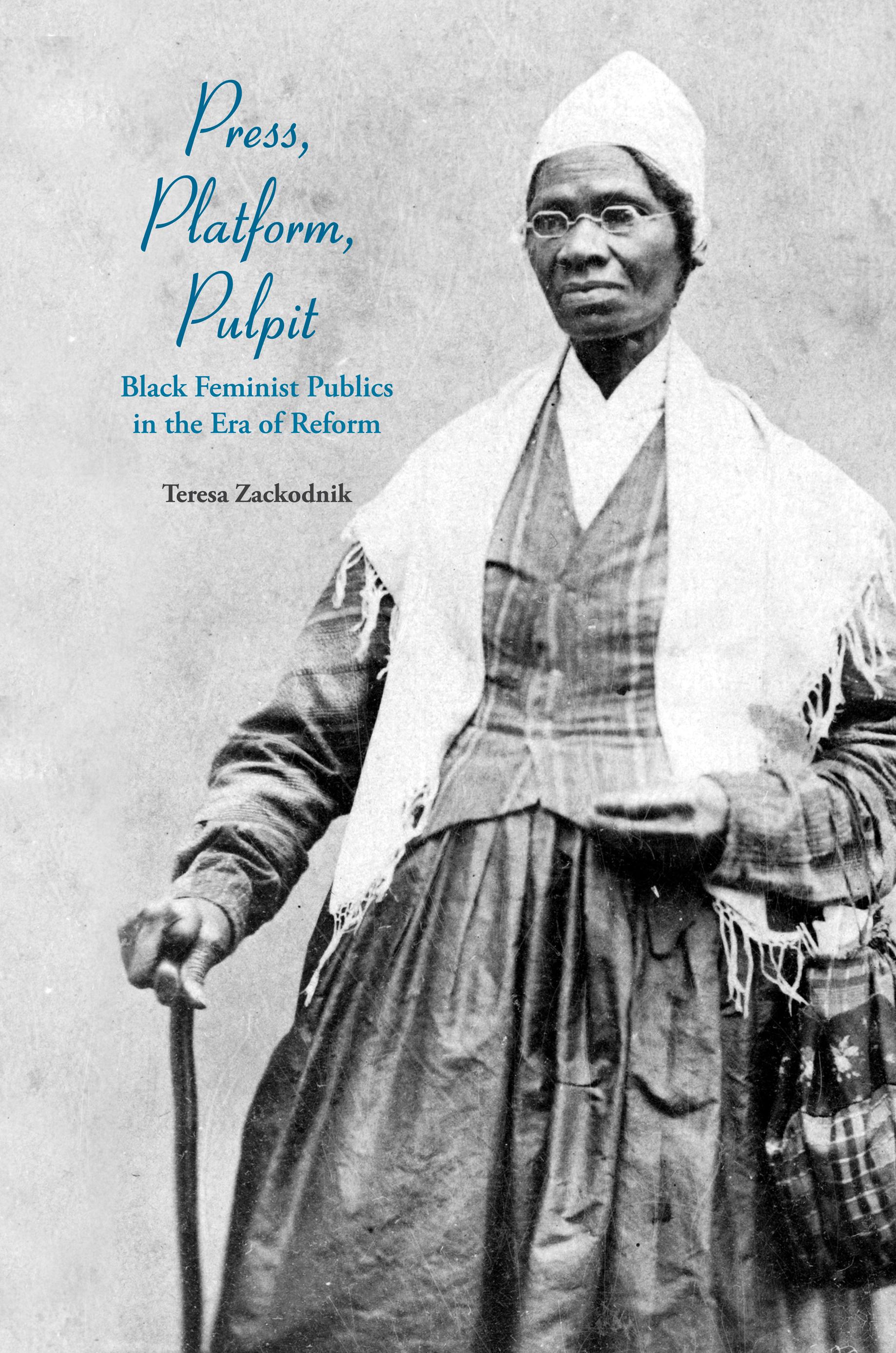
Press, Platform, Pulpit examines how early black feminism goes public by sheding new light on some of the major figures of early black feminism as well as bringing forward some lesser-known individuals who helped shape various reform movements. With a perspective unlike many other studies of black feminism, Teresa Zackodnik considers these activists as central, rather than marginal, to the politics of their day, and argues that black feminism reached critical mass well before the club movement’s national federation at the turn into the twentieth century . Throughout, she shifts the way in which major figures of early black feminism have been understood.
The first three chapters trace the varied speaking styles and appeals of black women in the church, abolition, and women’s rights, highlighting audience and location as mediating factors in the public address and politics of figures such as Jarena Lee, Zilpha Elaw, Amanda Berry Smith, Ellen Craft, Sarah Parker Remond and Sojourner Truth. The next chapter focuses on Ida B. Wells’s anti-lynching tours as working within “New Abolition” and influenced by black feminists before her. The final chapter examines feminist black nationalism as it developed in the periodical press by considering Maria Stewart’s social and feminist gospel; Mary Shadd Cary’s linking of abolition, emigration, and woman suffrage; and late-nineteenth-century black feminist journalism addressing black women’s migration and labor. Early black feminists working in reforms such as abolition and women’s rights opened new public arenas, such as the press, to the voices of black women. The book concludes by focusing on the 1891 National Council of Women, Frances Harper, and Anna Julia Cooper, which together mark a generational shift in black feminism, and by exploring the possibilities of taking black feminism public through forging coalitions among women of color.
Press, Platform, Pulpit goes far in deepening our understanding of early black feminism, its position in reform, and the varied publics it created for its politics. It not only moves historically from black feminist work in the church early in the nineteenth century to black feminism in the press at its close, but also explores the connections between black feminist politics across the century and specific reforms.
Before Memmo my notes were scattered across PDFs. Now a workspace pulls everything into one place — I see exactly what's still left to study.
Memmo's summaries are gold before exams. I don't have to re-read 800 pages two weeks before — just the important parts.
The AI chat has saved me the night before an exam more than once. I just keep asking until I get it — no waiting on a study group to reply.
The quizzes hit exactly what I need to know. Memmo tracks what I get stuck on — so I only practice what's worth it.
Flashcards with spaced repetition are magic. Memmo knows when I'm about to forget something and brings it back.
The AI podcasts are my favorite. I listen on my way to school and get a recap without sitting at a computer.

Handbok i kvalitativa metoder
281 kr

Hållbar utveckling: en introduktion för ingenjörer och andra problemlösare
334 kr

Brymans Samhällsvetenskapliga metoder
390 kr

Projektledning
491 kr

Den orättvisa hälsan: om socioekonomiska skillnader i hälsa och livslängd
326 kr

Vetenskapsteori för nybörjare
196 kr

Organizational Leadership
429 kr

På väg mot läraryrket
172 kr

Det sociala livet i skolan: Socialpsykologiska perspektiv
253 kr

Betygsättningens didaktik
151 kr

Personality
402 kr

Studying Leadership
404 kr

Managing Innovation
477 kr

Introduktion till samhällsvetenskaplig metod
347 kr

The Psychology of Sex and Gender
698 kr

Evidens och kunskap för socialt arbete
207 kr

Introduction to Leadership
605 kr