
Before Memmo my notes were scattered across PDFs. Now a workspace pulls everything into one place — I see exactly what's still left to study.
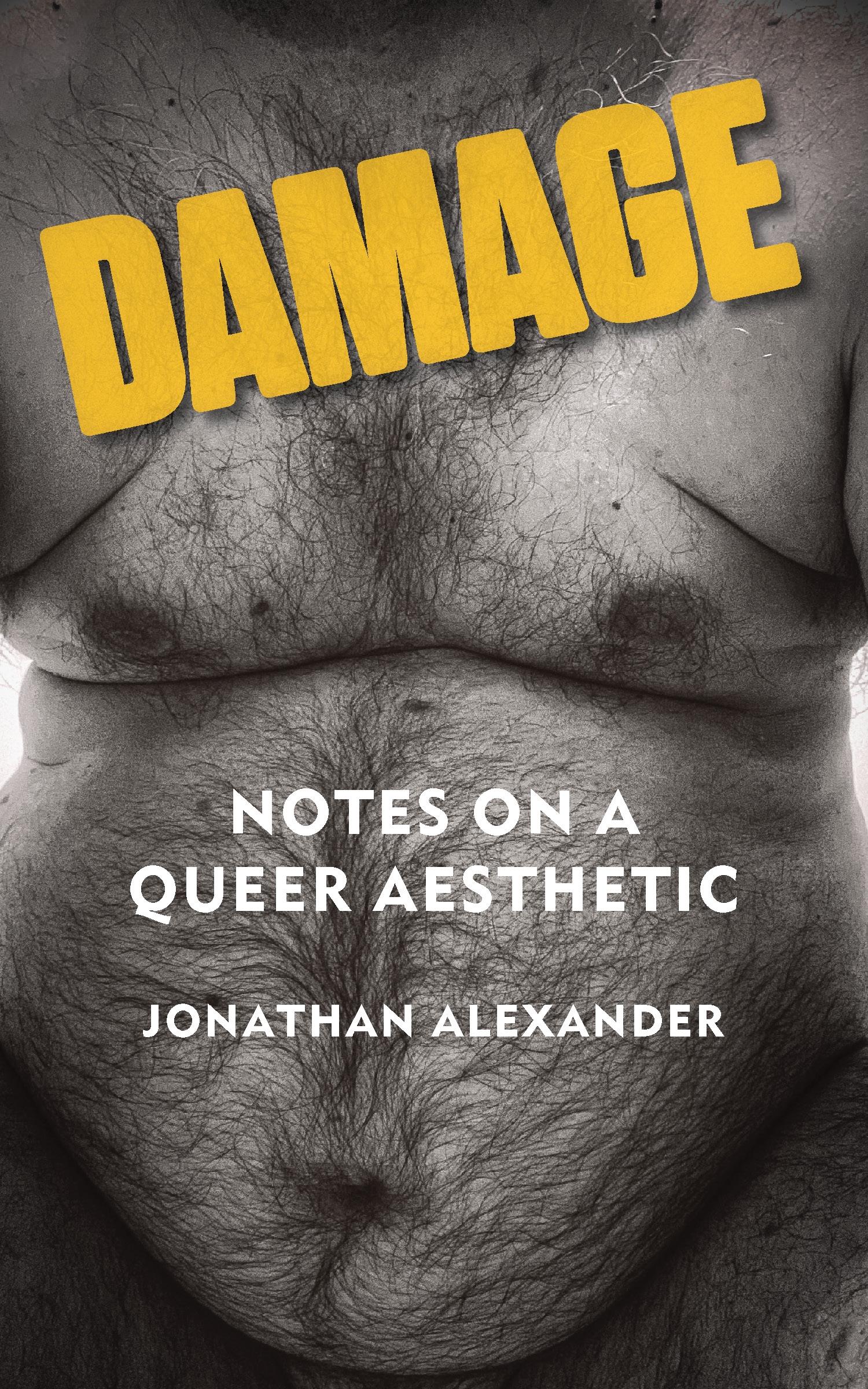
A personal, critical guide to seeing queer art’s wounds and possibilities
Damage asks how to look at images marked by queer pain without turning that pain into shock or pretending it isn’t there. Writer and critic Jonathan Alexander answers by pairing close looking with lived experience. The result is intimate and analytic at once, a book that stays with hard feelings while still making room for possibility.
Damage blends personal story with cultural criticism. Here, first-person stories advance the ideas. Alexander uses scenes from his life to test claims about seeing, care, and repair. The “I” works as a method that keeps theory accountable to bodies and communities, to the facts of illness, stigma, racism, and homophobia.
Across five artists, Alexander traces how damage becomes material for art and a spur to relation. With Hervé Guibert, he considers self-imaging in the AIDS era as testimony and technique. With Mark Morrisroe, he follows Polaroids and punk intimacy to find a grammar of tenderness inside grit. Laura Aguilar anchors a practice of self-portraiture that scales from a solitary body to community, land, and kinship. Carlos Martiel turns performance into a register of how nations write on bodies through race, migration, and discipline. Catherine Opie models an ethic of looking that includes self-portrait and community portrait, attending to the marks of pleasure and hurt while asking what repair might involve.
Damage is compact and teachable. Each chapter opens with a scene of looking and moves to ideas readers can use. An interlude asks how beauty persists amid harm. A closing “Aftermath” offers practical ways to stay with difficult images without going numb. The prose is precise and direct. The claims are careful. The aim is not to cure pain, but to help readers recognize it, live with it, and act in its wake.
Before Memmo my notes were scattered across PDFs. Now a workspace pulls everything into one place — I see exactly what's still left to study.
Memmo's summaries are gold before exams. I don't have to re-read 800 pages two weeks before — just the important parts.
The AI chat has saved me the night before an exam more than once. I just keep asking until I get it — no waiting on a study group to reply.
The quizzes hit exactly what I need to know. Memmo tracks what I get stuck on — so I only practice what's worth it.
Flashcards with spaced repetition are magic. Memmo knows when I'm about to forget something and brings it back.
The AI podcasts are my favorite. I listen on my way to school and get a recap without sitting at a computer.

Handbok i kvalitativa metoder
281 kr

Hållbar utveckling: en introduktion för ingenjörer och andra problemlösare
334 kr

Brymans Samhällsvetenskapliga metoder
390 kr

Projektledning
491 kr

Den orättvisa hälsan: om socioekonomiska skillnader i hälsa och livslängd
326 kr

Vetenskapsteori för nybörjare
196 kr

Organizational Leadership
429 kr

På väg mot läraryrket
172 kr

Det sociala livet i skolan: Socialpsykologiska perspektiv
253 kr

Betygsättningens didaktik
151 kr

Personality
402 kr

Studying Leadership
404 kr

Managing Innovation
477 kr

Introduktion till samhällsvetenskaplig metod
347 kr

The Psychology of Sex and Gender
698 kr

Evidens och kunskap för socialt arbete
207 kr

Introduction to Leadership
605 kr