
Before Memmo my notes were scattered across PDFs. Now a workspace pulls everything into one place — I see exactly what's still left to study.
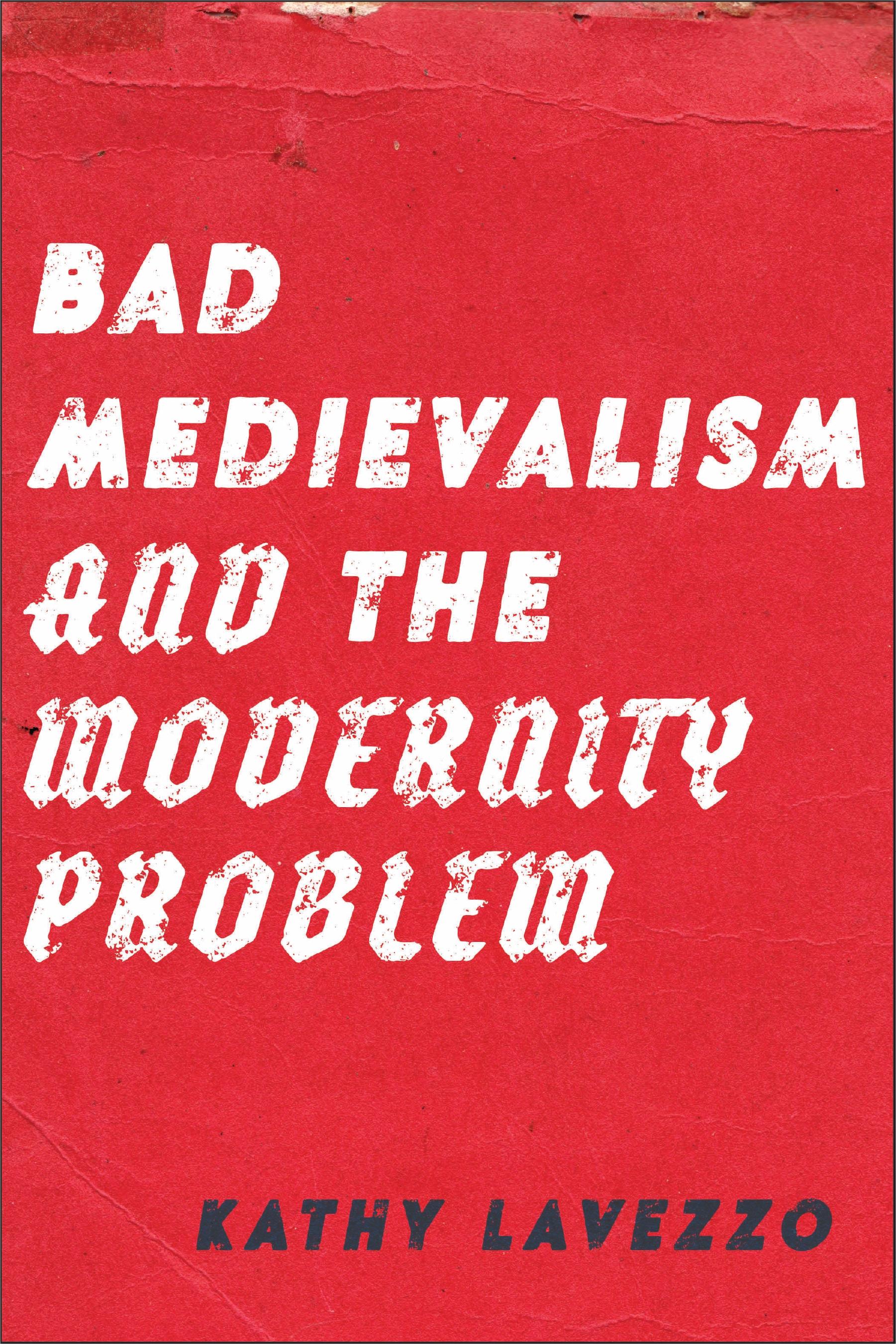
Challenges the assumptions made over the medieval/modern divide by examining the medieval roots of modern racism
Humanists have long insisted on a chasm separating modernity and the Middle Ages. In Bad Medievalism and the Modernity Problem, Kathy Lavezzo demonstrates how the temporal divide scholars typically accept is a fiction that has shaped racial discourse over a longue durée. The hard line drawn between “then” and “now” is of a piece with the line separating whiteness from humans deemed irrevocably other. Thus, Lavezzo advocates a “bad”—that is, depressing and disturbing, even nauseating—historicism attuned to the interpenetration of race, whiteness, and periodicity in the “west.”
Teasing out the dialectical invocation of both periods by figures as diverse as W. E. B. Du Bois, Carolyn Bynum, Stuart Hall, Johan Huizinga, Paule Marshall, Karl Marx, Gloria Naylor, J. R. R. Tolkien, and Sylvia Wynter, Lavezzo demonstrates how the tension between and across categories of the “medieval” and the “modern” has mobilized intense emotional and political responses.
Inspired by Lavezzo’s discovery that Hall, the beloved founder of cultural studies, planned as a student at Oxford to become a medievalist but was dissuaded from that path by his teacher Tolkien, Bad Medievalism and the Modernity Problem unpacks the implications of that charged encounter. Central chapters contrast Tolkien’s white heritage medievalism with a speculative inquiry into the Piers Plowman dissertation that Hall never wrote.
Other chapters assess the white “feel” of periodization by scholars, including Jacob Burckhardt, Huizinga, Fredric Jameson, and Bynum, and draw on theorists, including Du Bois and Wynter, to chart the medieval roots of a racialized discourse of progress and primitivism. Bad Medievalism and the Modernity Problem culminates in new readings of Gloria Naylor’s Bailey’s Cafe and Paule Marshall’s The Fisher King, demonstrating their importance as productively pessimistic engagements with the racial legacies of both the medieval and the modern.
Before Memmo my notes were scattered across PDFs. Now a workspace pulls everything into one place — I see exactly what's still left to study.
Memmo's summaries are gold before exams. I don't have to re-read 800 pages two weeks before — just the important parts.
The AI chat has saved me the night before an exam more than once. I just keep asking until I get it — no waiting on a study group to reply.
The quizzes hit exactly what I need to know. Memmo tracks what I get stuck on — so I only practice what's worth it.
Flashcards with spaced repetition are magic. Memmo knows when I'm about to forget something and brings it back.
The AI podcasts are my favorite. I listen on my way to school and get a recap without sitting at a computer.

Handbok i kvalitativa metoder
281 kr

Hållbar utveckling: en introduktion för ingenjörer och andra problemlösare
334 kr

Brymans Samhällsvetenskapliga metoder
390 kr

Projektledning
491 kr

Den orättvisa hälsan: om socioekonomiska skillnader i hälsa och livslängd
326 kr

Vetenskapsteori för nybörjare
196 kr

Organizational Leadership
429 kr

På väg mot läraryrket
172 kr

Det sociala livet i skolan: Socialpsykologiska perspektiv
253 kr

Betygsättningens didaktik
151 kr

Personality
402 kr

Studying Leadership
404 kr

Managing Innovation
477 kr

Introduktion till samhällsvetenskaplig metod
347 kr

The Psychology of Sex and Gender
698 kr

Evidens och kunskap för socialt arbete
207 kr

Introduction to Leadership
605 kr