
Before Memmo my notes were scattered across PDFs. Now a workspace pulls everything into one place — I see exactly what's still left to study.
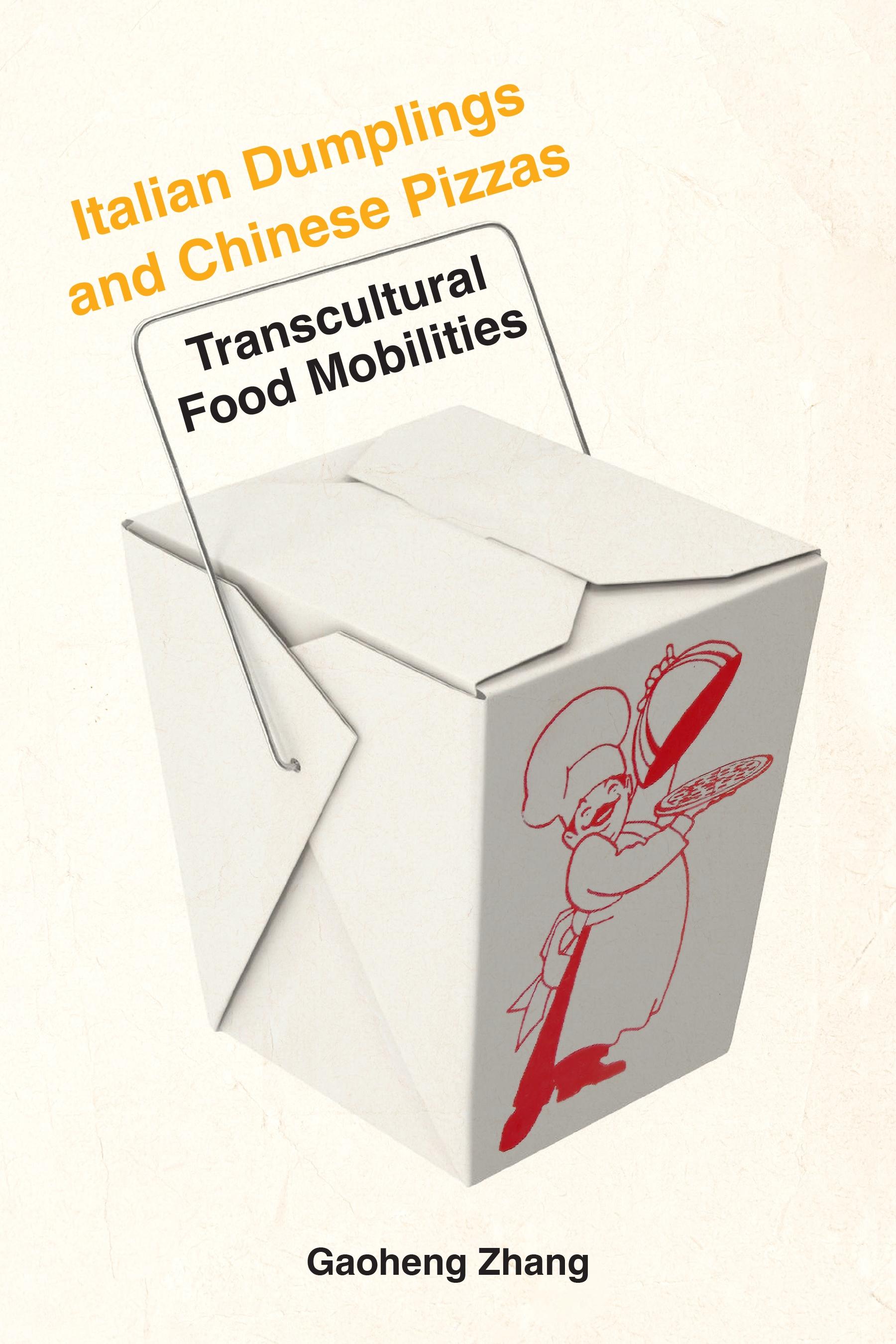
Designs a novel analytical framework to approach transcultural food mobilities, a culinary phenomenon that has been with us for decades as a result of colonialism and globalization
Why is it surprising for some of us to read the pairing of “Chinese” with “pizzas” and “Italian” with “dumplings,” such as proposed in the book’s title? After all, in some regions of the two countries, Italians eat frequently dumplings, and Chinese frequently make baked, steamed, or fried flatbread with toppings or fillings. Furthermore, when dumplings are made in Italy by Chinese migrants or Chinese Italians, or when pizzas are made in China by Italian migrants, Chinese Italians, or Chinese without apparent ties with Italy, are these culinary products Chinese, Italian, Chinese-Italian, or something else? Why do we need to care for such labeling dilemmas?
This book shows how China-Italy food mobilities relayed in popular culture helped forge Chinese and Italians’ socioeconomic identities in recent decades by fundamentally shaping contemporary Chinese and Italian consumer cultures. This book addresses China-Italy food cultures against the backdrops of two epoch-making socioeconomic processes. During the 1980s, Chinese cuisine became the first non-European food widely available in Italy, thanks to the widespread presence of Chinese eateries. Only American fast food, which established itself in Italy around the same time, enjoyed comparable popularity as a destination for Italian culinary tourism. Meanwhile, in the early 1990s, together with American hamburgers and fried chicken, the American food chain Pizza Hut’s pizzas and spaghetti were the first non-Asian foods that post-Mao Chinese customers recognized as “Western.” The book proposes a critical framework that analyzes transcultural food mobilities by seriously assessing the confluence of diverse mobilities and their impact on food cultures. Ultimately, the study shows that a sophisticated interpretation of transcultural food mobilities can help address alterity and build understanding in a world of increasing political and cultural polarization.
Before Memmo my notes were scattered across PDFs. Now a workspace pulls everything into one place — I see exactly what's still left to study.
Memmo's summaries are gold before exams. I don't have to re-read 800 pages two weeks before — just the important parts.
The AI chat has saved me the night before an exam more than once. I just keep asking until I get it — no waiting on a study group to reply.
The quizzes hit exactly what I need to know. Memmo tracks what I get stuck on — so I only practice what's worth it.
Flashcards with spaced repetition are magic. Memmo knows when I'm about to forget something and brings it back.
The AI podcasts are my favorite. I listen on my way to school and get a recap without sitting at a computer.

Handbok i kvalitativa metoder
281 kr

Hållbar utveckling: en introduktion för ingenjörer och andra problemlösare
334 kr

Brymans Samhällsvetenskapliga metoder
390 kr

Projektledning
491 kr

Den orättvisa hälsan: om socioekonomiska skillnader i hälsa och livslängd
326 kr

Vetenskapsteori för nybörjare
196 kr

Organizational Leadership
429 kr

På väg mot läraryrket
172 kr

Det sociala livet i skolan: Socialpsykologiska perspektiv
253 kr

Betygsättningens didaktik
151 kr

Personality
402 kr

Studying Leadership
404 kr

Managing Innovation
477 kr

Introduktion till samhällsvetenskaplig metod
347 kr

The Psychology of Sex and Gender
698 kr

Evidens och kunskap för socialt arbete
207 kr

Introduction to Leadership
605 kr