
Before Memmo my notes were scattered across PDFs. Now a workspace pulls everything into one place — I see exactly what's still left to study.
On the urgent need to promote critical reading skills amidst rising authoritarianism
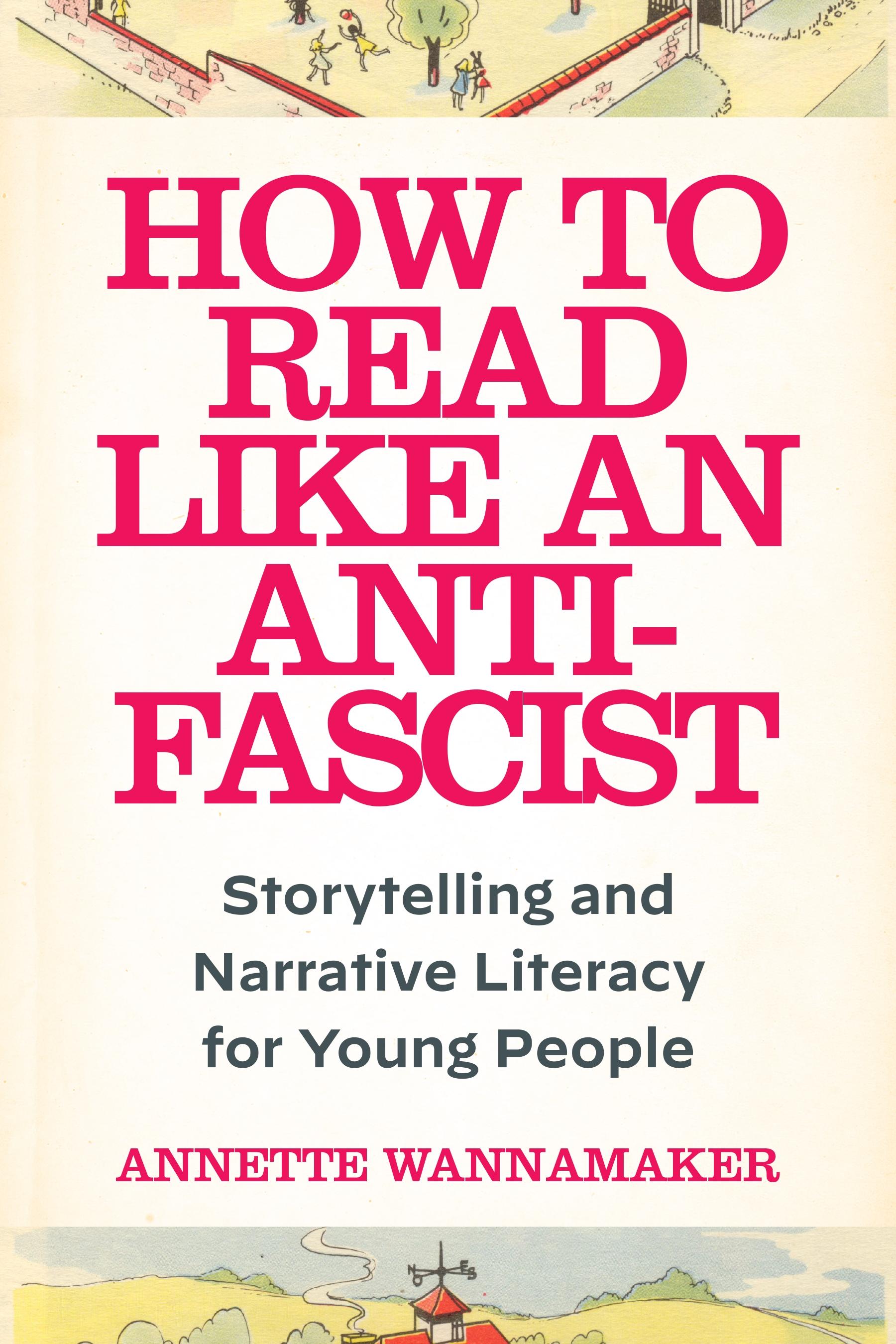
Children’s author Philip Pullman famously said that “There are some themes, some subjects, too large for adult fiction; they can only be dealt with adequately in a children’s book.” While the recent rise of fascist ideology in the United States might seem a subject too large and adult to be dealt with in literature for children or teens, Annette Wannamaker proposes in How to Read Like an Anti-Fascist that there are books aimed at future generations which critique and counter fascist propaganda and mythmaking.
Works of literature can reflect fascist ideology and promote it as well, but Wannamaker proposes that some books also offer tools for understanding it. Books written for beginners can introduce readers to complex concepts, break big ideas into manageable parts, and teach readers how to read the world outside of the book. Antifascist books are ones that analyze fascistic rhetoric and storytelling, educate about America’s long history of authoritarianism, and highlight various facets of fascism such as scapegoating others and reasserting patriarchal power.
From “The Emperor’s New Clothes” and the tales of Superman to Mildred Taylor’s Roll of Thunder, Hear My Cry, the 1619 Project and contemporary works such as All Boys Aren’t Blue and Donald Builds the Wall, Wannamaker shows how the ethos of authoritarianism is characterized by a strict hierarchy that places children at its very bottom. In doing so, she argues convincingly that books written for young people can provide a particular view from the bottom, a perspective well-suited to interrogating systems of power.
Before Memmo my notes were scattered across PDFs. Now a workspace pulls everything into one place — I see exactly what's still left to study.
Memmo's summaries are gold before exams. I don't have to re-read 800 pages two weeks before — just the important parts.
The AI chat has saved me the night before an exam more than once. I just keep asking until I get it — no waiting on a study group to reply.
The quizzes hit exactly what I need to know. Memmo tracks what I get stuck on — so I only practice what's worth it.
Flashcards with spaced repetition are magic. Memmo knows when I'm about to forget something and brings it back.
The AI podcasts are my favorite. I listen on my way to school and get a recap without sitting at a computer.

Handbok i kvalitativa metoder
281 kr

Hållbar utveckling: en introduktion för ingenjörer och andra problemlösare
334 kr

Brymans Samhällsvetenskapliga metoder
390 kr

Projektledning
491 kr

Den orättvisa hälsan: om socioekonomiska skillnader i hälsa och livslängd
326 kr

Vetenskapsteori för nybörjare
196 kr

Organizational Leadership
429 kr

På väg mot läraryrket
172 kr

Det sociala livet i skolan: Socialpsykologiska perspektiv
253 kr

Betygsättningens didaktik
151 kr

Personality
402 kr

Studying Leadership
404 kr

Managing Innovation
477 kr

Introduktion till samhällsvetenskaplig metod
347 kr

The Psychology of Sex and Gender
698 kr

Evidens och kunskap för socialt arbete
207 kr

Introduction to Leadership
605 kr