
Before Memmo my notes were scattered across PDFs. Now a workspace pulls everything into one place — I see exactly what's still left to study.
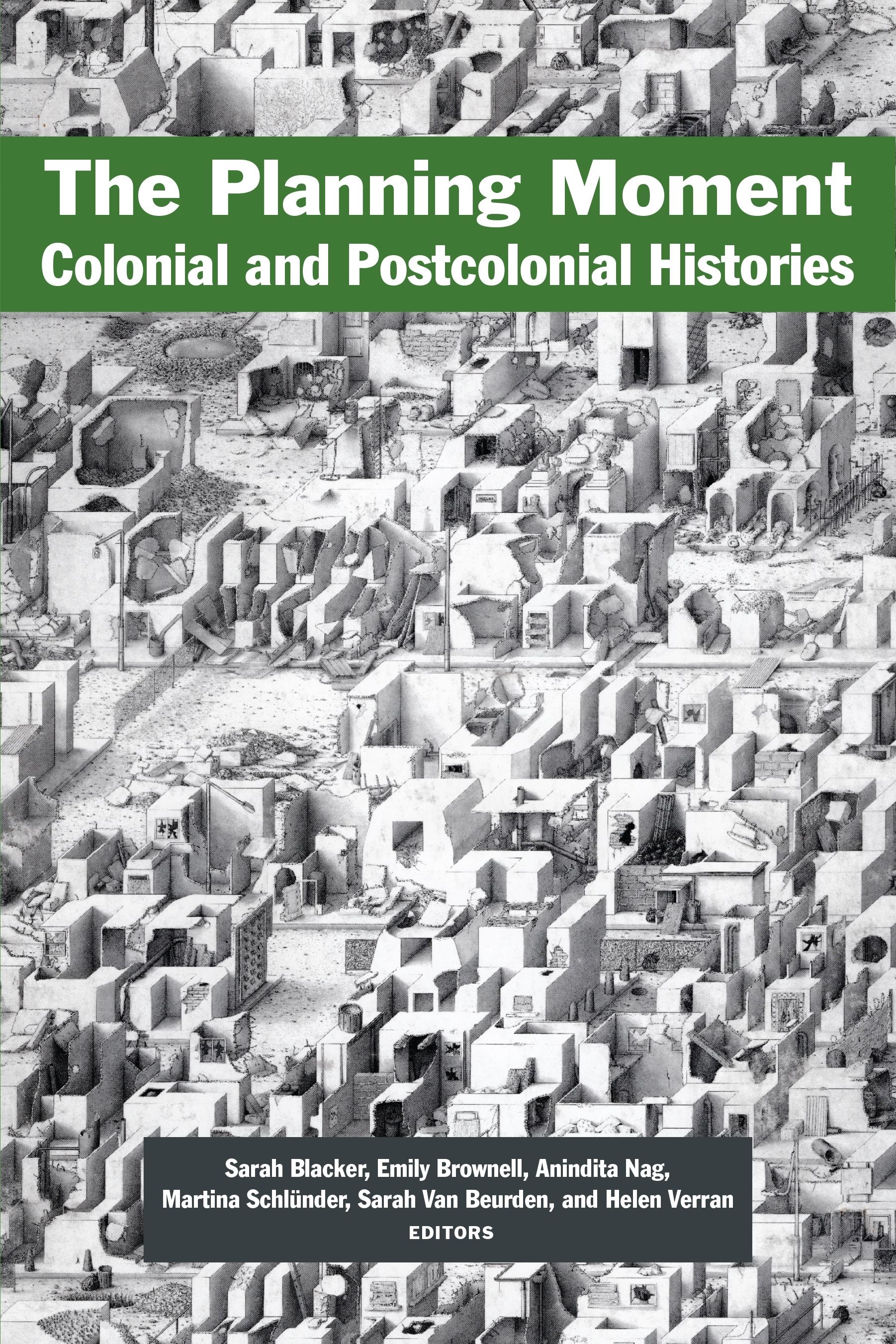
Empires and their aftermaths were massive planning institutions; in the past two hundred years, the natural and social sciences emerged—at least in part—as modes of knowledge production for imperial planning. Yet these connections are frequently under-emphasized in the history of science and its corollary fields.
The Planning Moment explores the myriad ways plans and planning practices pervade recent global history. The book is built around twenty-seven brief case studies that explore the centrality of planning in colonial and postcolonial environments, relationships, and contexts, through a range of disciplines: the history of science, science and technology studies, colonial and postcolonial studies, urban studies, and the history of knowledge.
If colonialism made certain landscapes, populations, and institutions legible while obscuring others, The Planning Moment reveals the frequently disruptive and violent processes of erasure in imperial planning by examining how “common sense” was produced and how the intransigence of planning persists long after decolonization. In recognizing the resistance and subversion that often met colonial plans, the book makes visible a range of strategies and techniques by which planning was modified and reappropriated, and by which decolonial futures might be imagined.
Contributors: Itty Abraham, Benjamin Allen, Sarah Blacker, Emily Brownell, Lino Camprubí, John DiMoia, Mona Fawaz, Lilly Irani, Chihyung Jeon, Robert Kett, Monika Kirloskar-Steinbach, Karen McAllister, Laura Mitchell, Gregg Mitman, Aaron Moore (†), Nada Moumtaz, Tahani Nadim, Anindita Nag, Raúl Necochea López, Tamar Novick, Benjamin Peters, Juno Salazar Parreñas, Martina Schlünder, Sarah Van Beurden, Helen Verran, Ana Carolina Vimieiro Gomes, Alexandra Widmer, and Alden Young
Before Memmo my notes were scattered across PDFs. Now a workspace pulls everything into one place — I see exactly what's still left to study.
Memmo's summaries are gold before exams. I don't have to re-read 800 pages two weeks before — just the important parts.
The AI chat has saved me the night before an exam more than once. I just keep asking until I get it — no waiting on a study group to reply.
The quizzes hit exactly what I need to know. Memmo tracks what I get stuck on — so I only practice what's worth it.
Flashcards with spaced repetition are magic. Memmo knows when I'm about to forget something and brings it back.
The AI podcasts are my favorite. I listen on my way to school and get a recap without sitting at a computer.

Handbok i kvalitativa metoder
281 kr

Hållbar utveckling: en introduktion för ingenjörer och andra problemlösare
334 kr

Brymans Samhällsvetenskapliga metoder
390 kr

Projektledning
491 kr

Den orättvisa hälsan: om socioekonomiska skillnader i hälsa och livslängd
326 kr

Vetenskapsteori för nybörjare
196 kr

Organizational Leadership
429 kr

På väg mot läraryrket
172 kr

Det sociala livet i skolan: Socialpsykologiska perspektiv
253 kr

Betygsättningens didaktik
151 kr

Personality
402 kr

Studying Leadership
404 kr

Managing Innovation
477 kr

Introduktion till samhällsvetenskaplig metod
347 kr

The Psychology of Sex and Gender
698 kr

Evidens och kunskap för socialt arbete
207 kr

Introduction to Leadership
605 kr