
Before Memmo my notes were scattered across PDFs. Now a workspace pulls everything into one place — I see exactly what's still left to study.
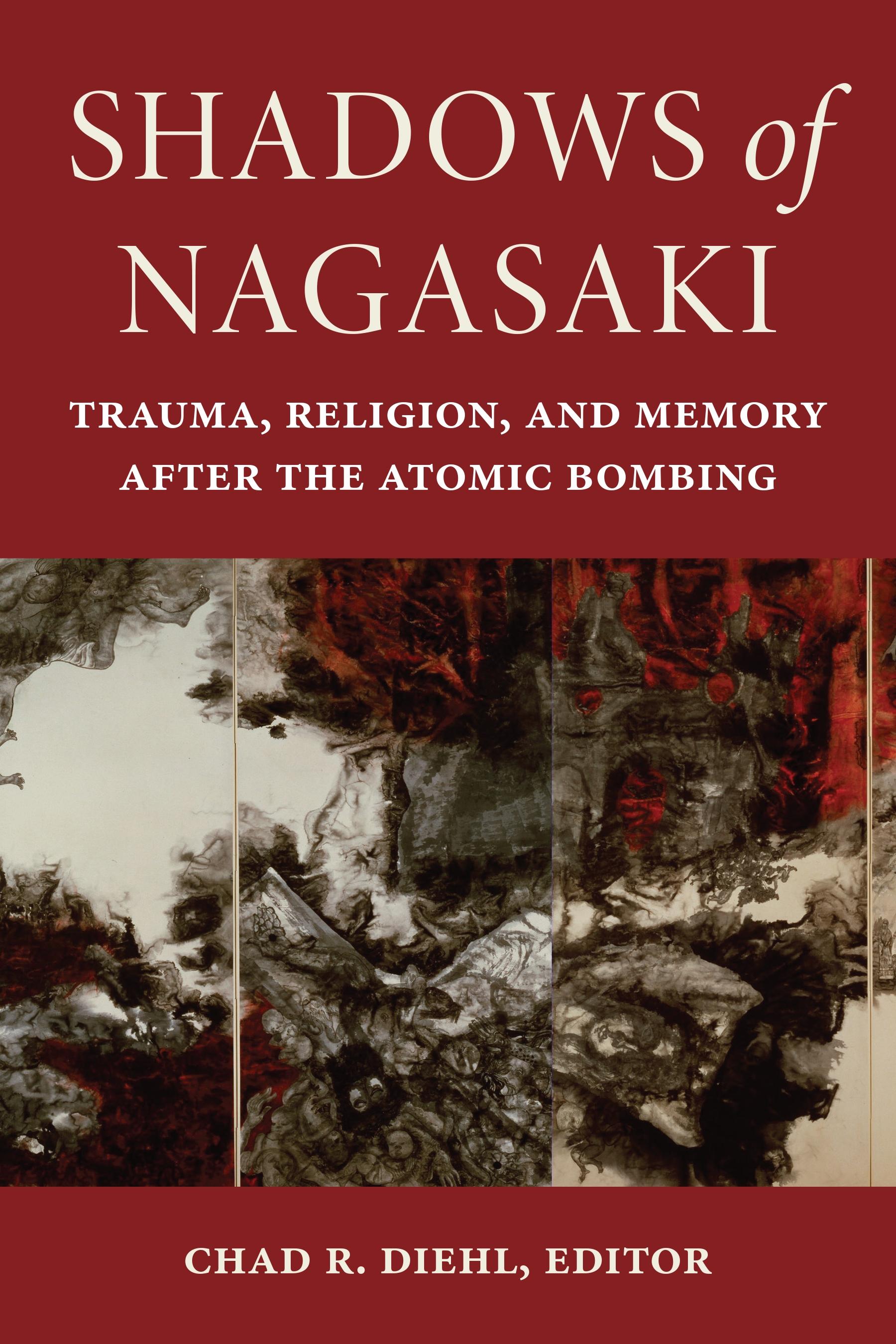
A critical introduction to how the Nagasaki atomic bombing has been remembered, especially in contrast to that of Hiroshima.
In the decades following the atomic bombing of Nagasaki on August 9, 1945, the city’s residents processed their trauma and formed narratives of the destruction and reconstruction in ways that reflected their regional history and social makeup. In doing so, they created a multi-layered urban identity as an atomic-bombed city that differed markedly from Hiroshima’s image. Shadows of Nagasaki traces how Nagasaki’s trauma, history, and memory of the bombing manifested through some of the city’s many post-atomic memoryscapes, such as literature, religious discourse, art, historical landmarks, commemorative spaces, and architecture. In addition, the book pays particular attention to how the city’s history of international culture, exemplified best perhaps by the region’s Christian (especially Catholic) past, informed its response to the atomic trauma and shaped its postwar urban identity. Key historical actors in the volume’s chapters include writers, Japanese- Catholic leaders, atomic-bombing survivors (known as hibakusha), municipal officials, American occupation personnel, peace activists, artists, and architects. The story of how these diverse groups of people processed and participated in the discourse surrounding the legacies of Nagasaki’s bombing shows how regional history, culture, and politics—rather than national ones—become the most influential factors shaping narratives of destruction and reconstruction after mass trauma. In turn, and especially in the case of urban destruction, new identities emerge and old ones are rekindled, not to serve national politics or social interests but to bolster narratives that reflect local circumstances.
Before Memmo my notes were scattered across PDFs. Now a workspace pulls everything into one place — I see exactly what's still left to study.
Memmo's summaries are gold before exams. I don't have to re-read 800 pages two weeks before — just the important parts.
The AI chat has saved me the night before an exam more than once. I just keep asking until I get it — no waiting on a study group to reply.
The quizzes hit exactly what I need to know. Memmo tracks what I get stuck on — so I only practice what's worth it.
Flashcards with spaced repetition are magic. Memmo knows when I'm about to forget something and brings it back.
The AI podcasts are my favorite. I listen on my way to school and get a recap without sitting at a computer.

Handbok i kvalitativa metoder
281 kr

Hållbar utveckling: en introduktion för ingenjörer och andra problemlösare
334 kr

Brymans Samhällsvetenskapliga metoder
390 kr

Projektledning
491 kr

Den orättvisa hälsan: om socioekonomiska skillnader i hälsa och livslängd
326 kr

Vetenskapsteori för nybörjare
196 kr

Organizational Leadership
429 kr

På väg mot läraryrket
172 kr

Det sociala livet i skolan: Socialpsykologiska perspektiv
253 kr

Betygsättningens didaktik
151 kr

Personality
402 kr

Studying Leadership
404 kr

Managing Innovation
477 kr

Introduktion till samhällsvetenskaplig metod
347 kr

The Psychology of Sex and Gender
698 kr

Evidens och kunskap för socialt arbete
207 kr

Introduction to Leadership
605 kr