
Before Memmo my notes were scattered across PDFs. Now a workspace pulls everything into one place — I see exactly what's still left to study.
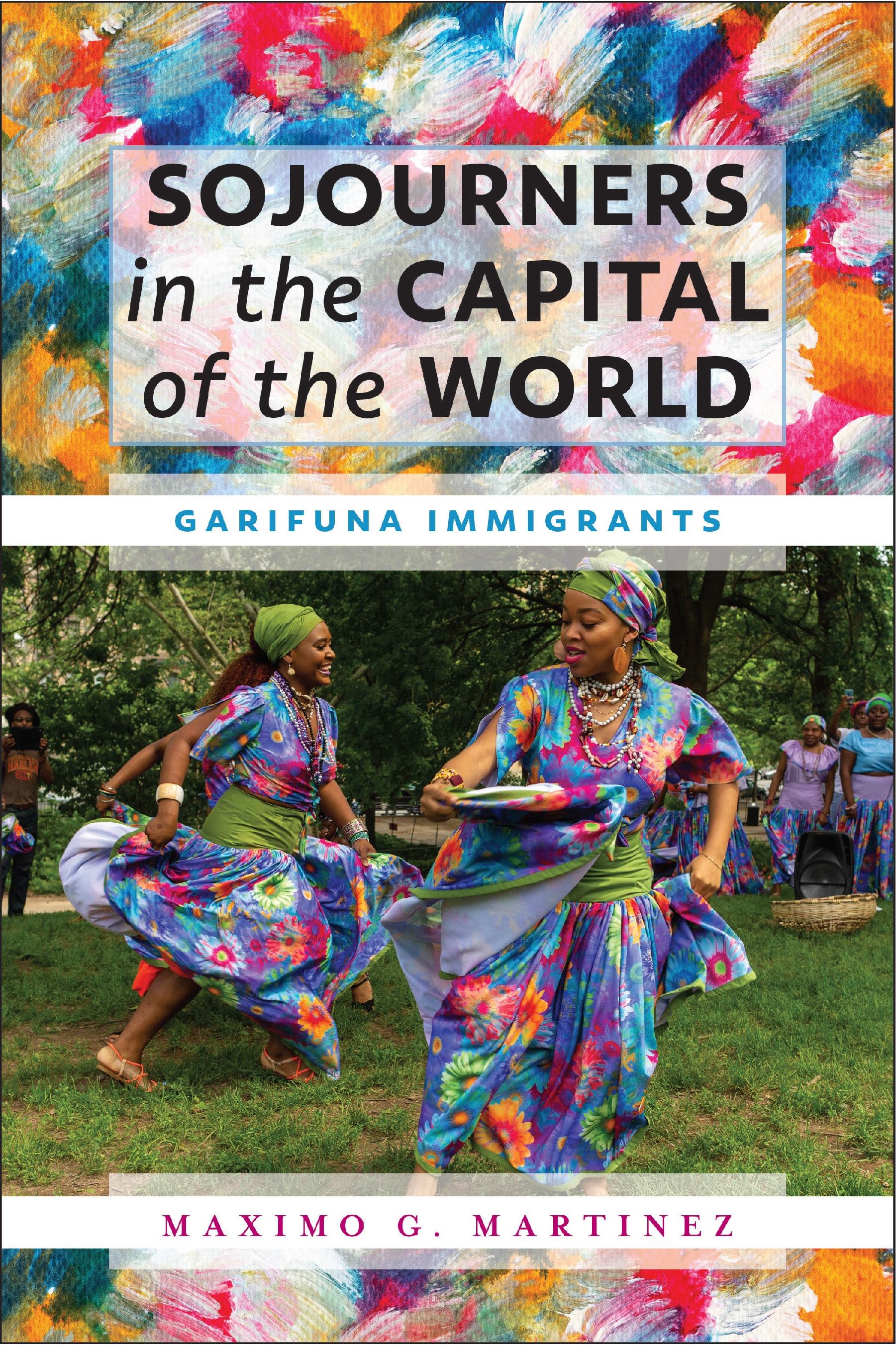
A comprehensive history and insider’s account of the Garifuna in New York City from 1943 to the present day.
In recent years, Latinos—primarily Central American migrants—crossing the southern border of the United States have dominated the national media, as the legitimacy of their detention and of U.S. immigration policy in general is debated by partisan politicians and pundits. Among these migrants seeking economic opportunities and fleeing violence from gangs and drug traffickers are many Central American Garifuna. This fascinating book is the long-overdue account—written by a Garifuna New Yorker—of the ways that Garifuna immigrants from Guatemala, Belize, and Honduras have organized themselves and become a vibrant presence in New York City, from the time of their first arrivals in the 1940s to the present.
The author documents four generations of Garifuna people in New York City who were active in the organizations at the heart of their community. Garifuna organizations have expanded and diversified over time from being primarily concerned with simply providing a space to gather for social events and some self-help groups for seamen (who were the first migrants) to a wide variety of organizations today that range from those focused on culture—music, dance, religion, language, sports, media—to those concentrating on economic development, political engagement and representation, immigration issues, health concerns, and transnational projects related to the situation of Garifuna in their Central American communities. As the Garifuna population grew, their organized entities simultaneously increased. The legacy of the Garifuna ethnic group is one of heroic resilience: They challenged colonial European suppression and grew from an estimated population of 2,000 to a growing 600,000 in the present day. After wars defending their original settlement on the Caribbean island of St. Vincent, the remaining Garifuna were rounded up and expelled from the territory to Central America, and from there they eventually immigrated to the United States. In New York City, an estimated 200,000 Garifuna live in the five boroughs, with their largest population in the Bronx. Having overcome numerous challenges, this Black/ Indigenous ethnic group is now known for its significant involvement in both Central American as well as U.S. societies.
The Garifuna are integrated into the fabric of New York City as a distinctive Afro-Latinx/African Diaspora ethnic group known for its cultural and political impact. Garifuna organizations are at once concerned with creating alliances with a diversity of many other groups and also focused on dealing with issues specific to the unique culture, history, and situation of the Garifuna. They provide an interesting case study on whether and how Black ethnic groups assimilate with African Americans. And awareness of this group, its culture, and its contribution to American society is essential to understanding a growing segment of the expanding diverse Latino presence in the United States.
Before Memmo my notes were scattered across PDFs. Now a workspace pulls everything into one place — I see exactly what's still left to study.
Memmo's summaries are gold before exams. I don't have to re-read 800 pages two weeks before — just the important parts.
The AI chat has saved me the night before an exam more than once. I just keep asking until I get it — no waiting on a study group to reply.
The quizzes hit exactly what I need to know. Memmo tracks what I get stuck on — so I only practice what's worth it.
Flashcards with spaced repetition are magic. Memmo knows when I'm about to forget something and brings it back.
The AI podcasts are my favorite. I listen on my way to school and get a recap without sitting at a computer.

Handbok i kvalitativa metoder
281 kr

Hållbar utveckling: en introduktion för ingenjörer och andra problemlösare
334 kr

Brymans Samhällsvetenskapliga metoder
390 kr

Projektledning
491 kr

Den orättvisa hälsan: om socioekonomiska skillnader i hälsa och livslängd
326 kr

Vetenskapsteori för nybörjare
196 kr

Organizational Leadership
429 kr

På väg mot läraryrket
172 kr

Det sociala livet i skolan: Socialpsykologiska perspektiv
253 kr

Betygsättningens didaktik
151 kr

Personality
402 kr

Studying Leadership
404 kr

Managing Innovation
477 kr

Introduktion till samhällsvetenskaplig metod
347 kr

The Psychology of Sex and Gender
698 kr

Evidens och kunskap för socialt arbete
207 kr

Introduction to Leadership
605 kr