
Before Memmo my notes were scattered across PDFs. Now a workspace pulls everything into one place — I see exactly what's still left to study.
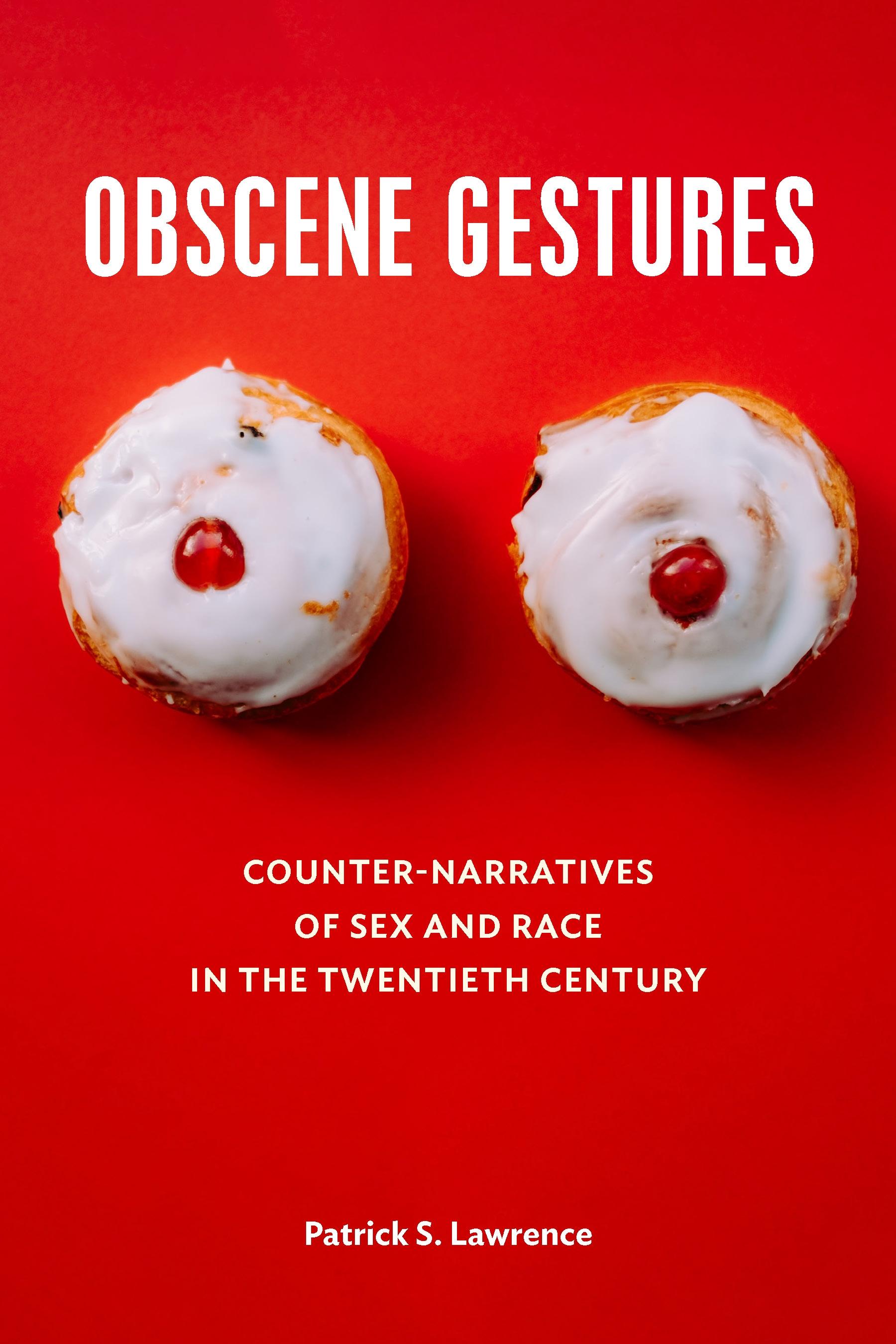
Drawing on sources as diverse as Supreme Court decisions, nightclub comedy, congressional records, and cultural theory, Obscene Gestures explores the many contradictory vectors of twentieth-century moralist controversies surrounding literary and artistic works from Henry Miller’s Tropic of Cancer to those of Toni Morrison, Alice Walker, Kathy Acker, Robert Mapplethorpe, 2 Live Crew, Tony Kushner, and others. Patrick S. Lawrence dives into notorious obscenity debates to reconsider the divergent afterlives of artworks that were challenged or banned over their taboo sexual content to reveal how these controversies affected their critical reception and commercial success in ways that were often determined at least in part by racial, gender, or sexual stereotypes and pernicious ethnographic reading practices.
Starting with early postwar touchstone cases and continuing through the civil rights, feminist, and LGBTQ+ movements, Lawrence demonstrates on one level that breaking sexual taboos in literary and cultural works often comes with cultural cachet and increased sales. At the same time, these benefits are distributed unequally, leading to the persistence of exclusive hierarchies and inequalities.
Obscene Gestures takes its bearings from recent studies of the role of obscenity in literary history and canon formation during the late nineteenth and early twentieth centuries, extending their insights into the postwar period when broad legal latitude for obscenity was established but when charges of obscenity still carried immense symbolic and political weight. Moreover, the rise of social justice movements around this time provides necessary context for understanding the application of legal precedents, changes in the publishing industry, and the diversification of the canon of American letters. Obscene Gestures, therefore, advances the study of obscenity to include recent developments in the understanding of race, gender, and sexuality while refining our understanding of late-twentieth-century American literature and political culture.
Before Memmo my notes were scattered across PDFs. Now a workspace pulls everything into one place — I see exactly what's still left to study.
Memmo's summaries are gold before exams. I don't have to re-read 800 pages two weeks before — just the important parts.
The AI chat has saved me the night before an exam more than once. I just keep asking until I get it — no waiting on a study group to reply.
The quizzes hit exactly what I need to know. Memmo tracks what I get stuck on — so I only practice what's worth it.
Flashcards with spaced repetition are magic. Memmo knows when I'm about to forget something and brings it back.
The AI podcasts are my favorite. I listen on my way to school and get a recap without sitting at a computer.

Handbok i kvalitativa metoder
281 kr

Hållbar utveckling: en introduktion för ingenjörer och andra problemlösare
334 kr

Brymans Samhällsvetenskapliga metoder
390 kr

Projektledning
491 kr

Den orättvisa hälsan: om socioekonomiska skillnader i hälsa och livslängd
326 kr

Organizational Leadership
429 kr

Vetenskapsteori för nybörjare
196 kr

På väg mot läraryrket
172 kr

Det sociala livet i skolan: Socialpsykologiska perspektiv
253 kr

Betygsättningens didaktik
151 kr

Personality
402 kr

Studying Leadership
404 kr

Managing Innovation
477 kr

Introduktion till samhällsvetenskaplig metod
347 kr

The Psychology of Sex and Gender
698 kr

Evidens och kunskap för socialt arbete
207 kr

Introduction to Leadership
605 kr