
Before Memmo my notes were scattered across PDFs. Now a workspace pulls everything into one place — I see exactly what's still left to study.
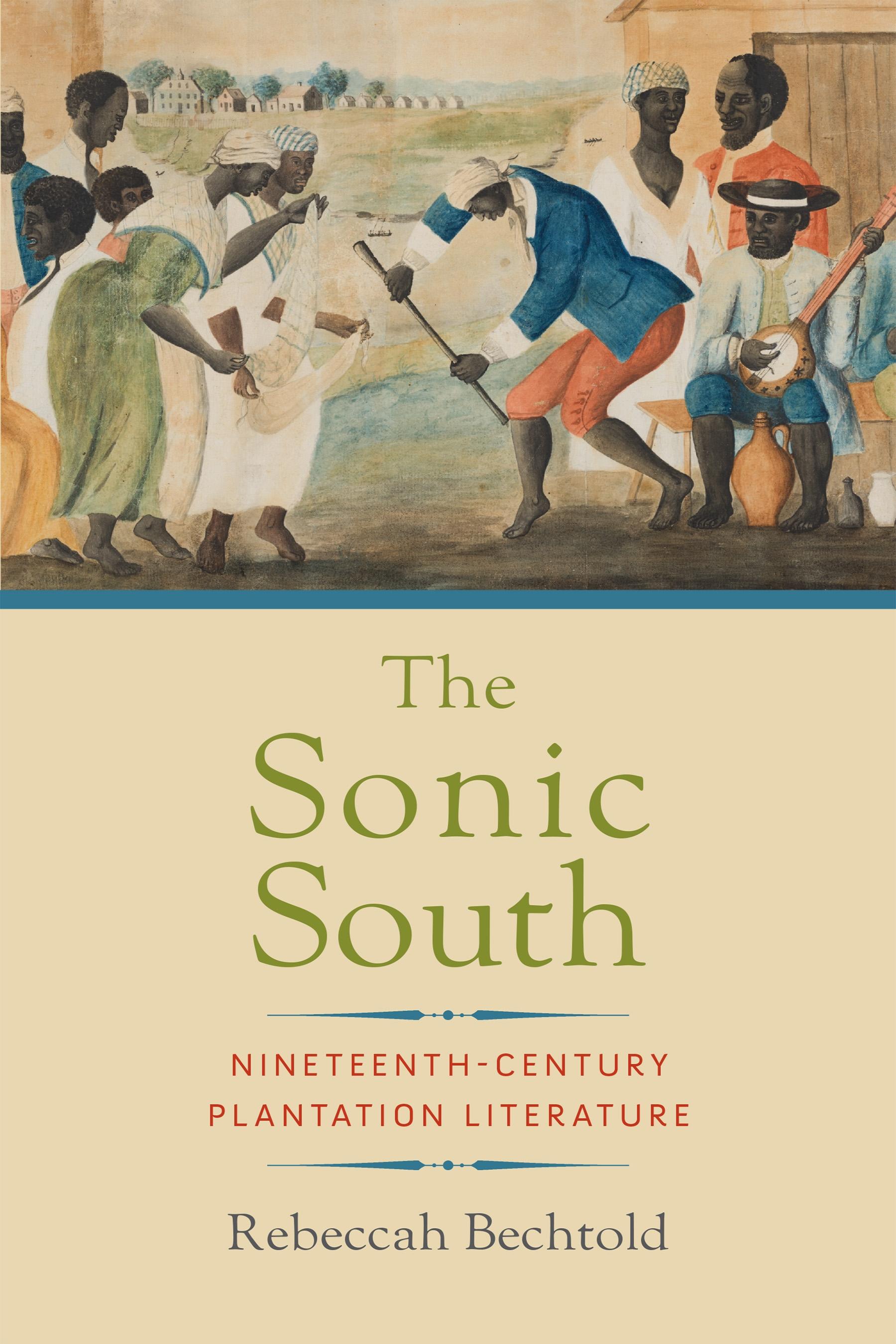
An examination of the influence of white listening practices on literary representations of the plantation South
Early colonial histories of the plantation South often relied on multisensory descriptions to construct an image of the region as a “land of beauty.” While these early accounts are rich in visual and tactile imagery, aural impressions played an important role in constructing its paradisiacal nature. To truly enjoy this southern Elysium, however, necessitated a kind of selective hearing—a willingness to shut one’s ears to the sounds of slavery. While travelers south frequently remarked on the aural disconnect between the South they first longed for and the one they found, antislavery activists worked tirelessly from the 1830s on to heighten this sonic dissonance, encouraging listeners to “open” their ears “to the cries, tears and groans” of the enslaved, as David Walker called for in his Appeal.
In The Sonic South, Rebeccah Bechtold traces the legacy of these ways of hearing in the popular plantation literature of the 1830s to 1860s, studying how white listeners both heard and imagined the plantation South and its Black communities. While proslavery writers like William L. G. Smith and Caroline Hentz contended that the physiological differences between whites and Blacks could be tracked in how each heard the world around them, antislavery writers like Harriet Beecher Stowe, James Robert Gilmore, Epes Sargent, and Lydia Maria Child relied on sound’s more ephemeral qualities to highlight the potential potency of Black voices to unsettle the status quo, illustrating in the process how easily the idealized southern soundscape could erode. Bechtold argues that, collectively, these writings demonstrate the importance of the southern soundscape to the South’s regional identity and to white perceptions of the enslaved.
Before Memmo my notes were scattered across PDFs. Now a workspace pulls everything into one place — I see exactly what's still left to study.
Memmo's summaries are gold before exams. I don't have to re-read 800 pages two weeks before — just the important parts.
The AI chat has saved me the night before an exam more than once. I just keep asking until I get it — no waiting on a study group to reply.
The quizzes hit exactly what I need to know. Memmo tracks what I get stuck on — so I only practice what's worth it.
Flashcards with spaced repetition are magic. Memmo knows when I'm about to forget something and brings it back.
The AI podcasts are my favorite. I listen on my way to school and get a recap without sitting at a computer.

Handbok i kvalitativa metoder
281 kr

Hållbar utveckling: en introduktion för ingenjörer och andra problemlösare
334 kr

Brymans Samhällsvetenskapliga metoder
390 kr

Projektledning
491 kr

Den orättvisa hälsan: om socioekonomiska skillnader i hälsa och livslängd
326 kr

Organizational Leadership
429 kr

Vetenskapsteori för nybörjare
196 kr

På väg mot läraryrket
172 kr

Det sociala livet i skolan: Socialpsykologiska perspektiv
253 kr

Betygsättningens didaktik
151 kr

Personality
402 kr

Studying Leadership
404 kr

Managing Innovation
477 kr

Introduktion till samhällsvetenskaplig metod
347 kr

The Psychology of Sex and Gender
698 kr

Evidens och kunskap för socialt arbete
207 kr

Introduction to Leadership
605 kr