
Before Memmo my notes were scattered across PDFs. Now a workspace pulls everything into one place — I see exactly what's still left to study.
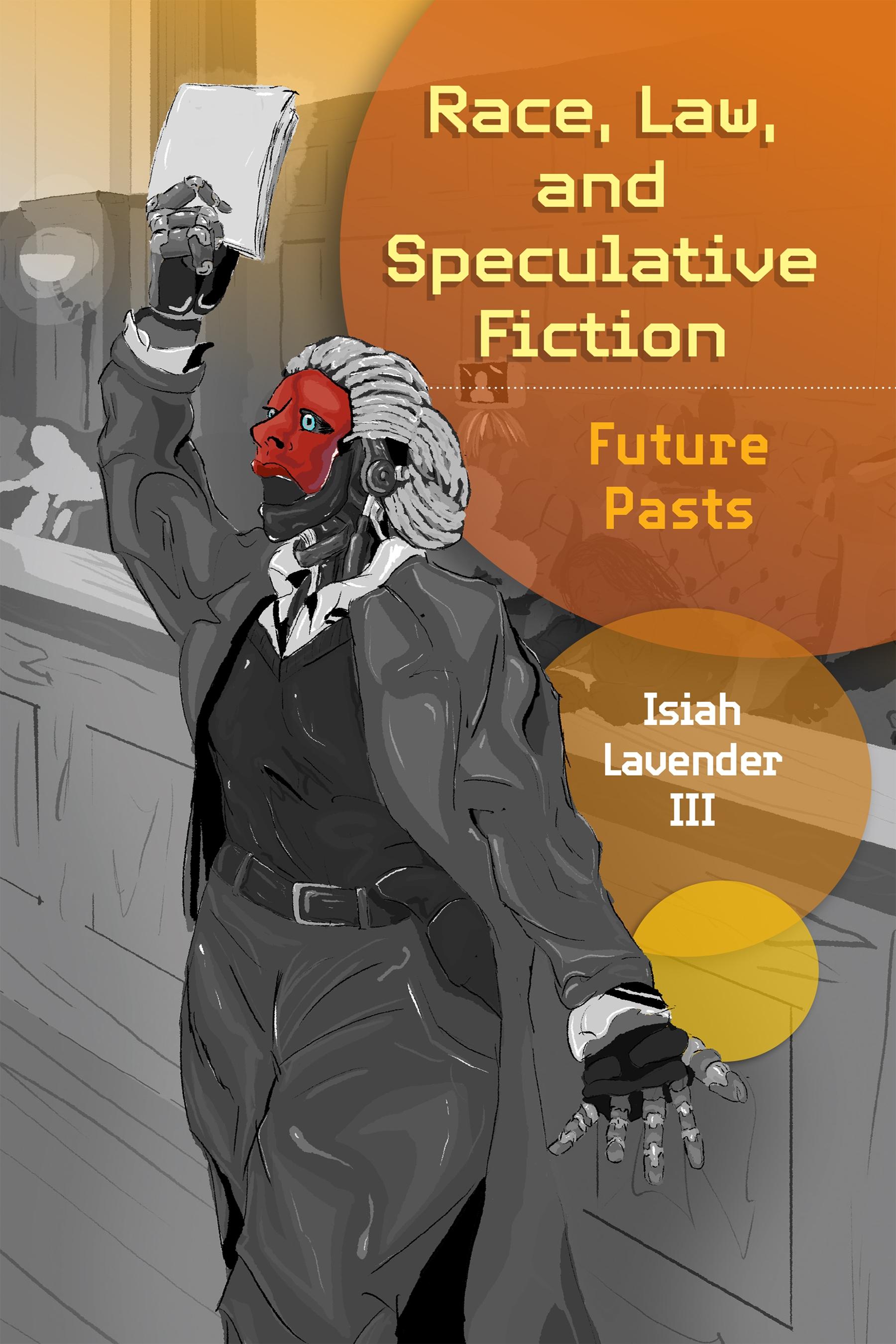
An analysis of US science fiction, through the lens of critical race theory, that illuminates how the genre offers new directions for serious appraisals of race and racism between yesterday, today, and tomorrow
In Race, Law, and Speculative Fiction, Isiah Lavender III takes seriously the theoretical, stylistic, and rhetorical possibilities inherent in the genre of science fiction toward challenging perceptions of race, ethnicity, whiteness, and Blackness in US culture. To do so, he examines works by a wide variety of science fiction writers exploring racial themes—Samuel R. Delany, Octavia Butler, Edgar Allan Poe, Mat Johnson (whose Pym [2011] is a direct challenge to Poe’s The Narrative of Arthur Gordon Pym of Nantucket [1838]), Derrick Bell, and others.
Locating racial contexts, social categorizations, and cultural patterns in US speculative fiction, Lavender employs the tenets of critical race theory to sight the unanticipated things the genre might have to say about race at the intersection between imaginary laws and how we, as readers, partake in this imagining. Recognizable science fiction tropes—such as alien contact, time travel, contagion, generation starships, the near future, alternate history, climate change, among others—constitute science fictional novum. The novum is the new thing, invention, or novelty introduced into the fictional world that deliberately functions as the catalyst for the change made in the fictional world, differing from the reader’s world. Lavender coined the term noirum to represent the legislative innovations prompted within the fictional world to cope with, if not to control, the impact of the novum. Whether it is a make-believe amendment, imaginary federal court ruling, fictitious executive order, or something else entirely, the noirum identifies the ways in which these powerful science fiction motifs are organized around question of race.
Race, Law, and Speculative Fiction analyzes the ways in which science fiction has engaged with institutions and the law, offering narratives or concepts, or both, that uphold the racial status quo or fictional alternatives to existing legal structures. Bringing critical race theory and science fiction together, Lavender highlights stories that not only counter the dominant narrative of white supremacy but also envision a future in which people are united in full colored racial consciousness against dehumanization of any kind.
Before Memmo my notes were scattered across PDFs. Now a workspace pulls everything into one place — I see exactly what's still left to study.
Memmo's summaries are gold before exams. I don't have to re-read 800 pages two weeks before — just the important parts.
The AI chat has saved me the night before an exam more than once. I just keep asking until I get it — no waiting on a study group to reply.
The quizzes hit exactly what I need to know. Memmo tracks what I get stuck on — so I only practice what's worth it.
Flashcards with spaced repetition are magic. Memmo knows when I'm about to forget something and brings it back.
The AI podcasts are my favorite. I listen on my way to school and get a recap without sitting at a computer.

Handbok i kvalitativa metoder
281 kr

Hållbar utveckling: en introduktion för ingenjörer och andra problemlösare
334 kr

Brymans Samhällsvetenskapliga metoder
390 kr

Projektledning
491 kr

Den orättvisa hälsan: om socioekonomiska skillnader i hälsa och livslängd
326 kr

Organizational Leadership
429 kr

Vetenskapsteori för nybörjare
196 kr

På väg mot läraryrket
172 kr

Det sociala livet i skolan: Socialpsykologiska perspektiv
253 kr

Betygsättningens didaktik
151 kr

Personality
402 kr

Studying Leadership
404 kr

Managing Innovation
477 kr

Introduktion till samhällsvetenskaplig metod
347 kr

The Psychology of Sex and Gender
698 kr

Evidens och kunskap för socialt arbete
207 kr

Introduction to Leadership
605 kr