
Before Memmo my notes were scattered across PDFs. Now a workspace pulls everything into one place — I see exactly what's still left to study.
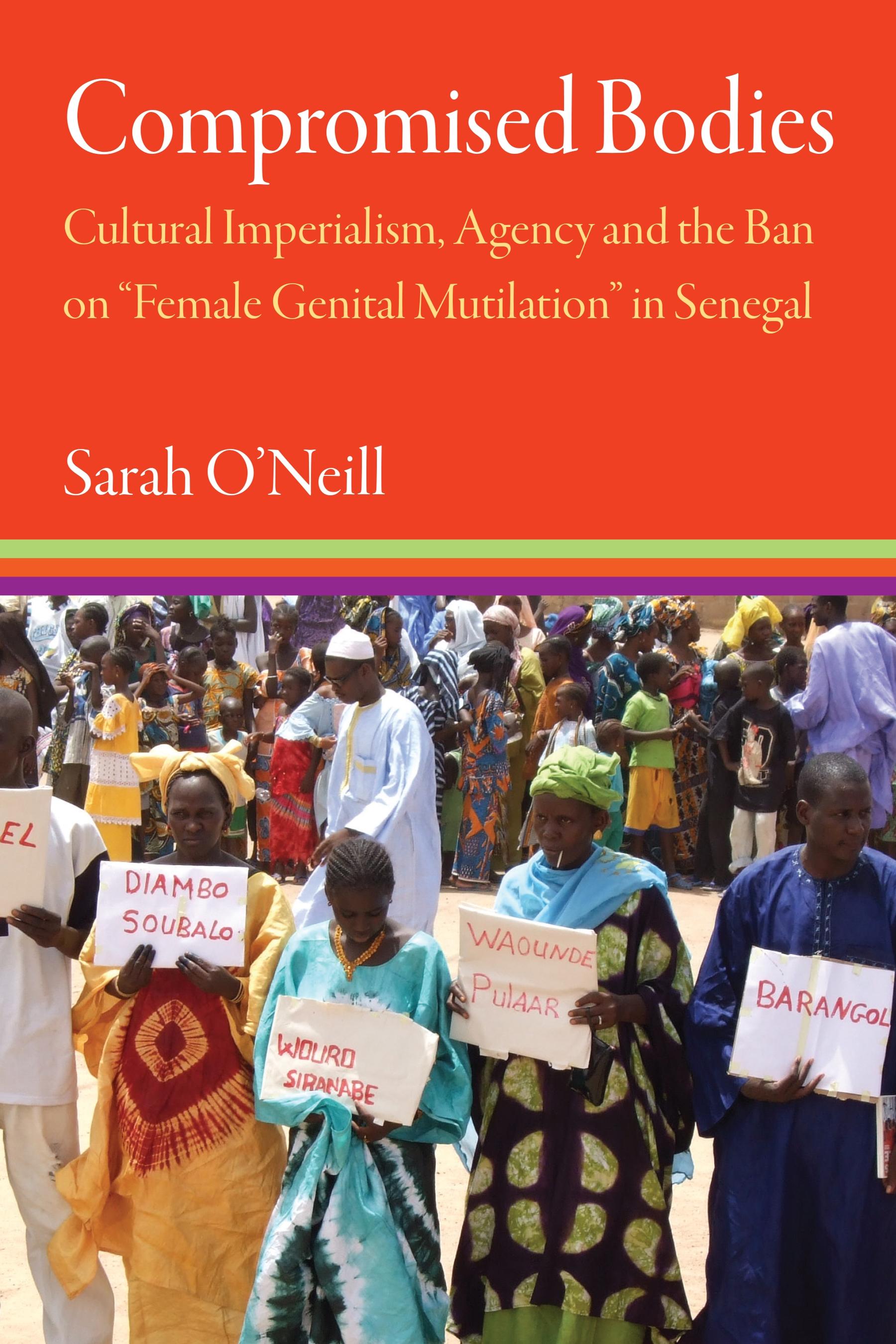
This ethnography unravels the continuing political tensions surrounding Senegal’s 1999 national ban on “female genital mutilation”
The Senegalese parliament authorized a national ban on “Female Genital Mutilation” in 1999. Because only a third of the Senegalese population practiced female genital cutting (FGC) at the time, policy makers did not expect that the new law would cause controversy or provoke commotion. Yet, in Fouta Toro and among Fulani, who traditionally practiced FGC, the response to the new law was fury, and frustrations often turned violent. More than a decade after the ban, Fouta Toro was considered “the most difficult region” for anti-FGC activists, both from inside and outside the government. Tires were burned, international NGO delegates were threatened, and activists publicly speaking out against the practice were religiously condemned. Animosity toward the ban remains palpable in the region to this day. The ban, many (but not all) locals say, is nothing other than an overt act of Western cultural imperialism imposed on their community. For these individuals, resisting the ban is critical for maintaining the autonomy and integrity of a traditional way of life. And from the outside, opposition to the law and NGOs can seem unified.
However, anthropologist Sarah O’Neill discovers that on the ground, there are tensions between those who oppose the ban and those who support it—even as that support is nuanced and often complicated. This ethnography unravels the continuing political tensions surrounding both national and international interventions in Fouta Toro and in Senegal that place protection of the female body at the center of their concerns. By way of the many stories of ordinary women and men caught up in debates around the value of the practice and meaning of FGC, Compromised Bodies reveals the personal struggles and difficult decisions Fulani face, be they traditional cutters, religious leaders, mothers, husbands, divorced women, or anti-FGC activists.
Before Memmo my notes were scattered across PDFs. Now a workspace pulls everything into one place — I see exactly what's still left to study.
Memmo's summaries are gold before exams. I don't have to re-read 800 pages two weeks before — just the important parts.
The AI chat has saved me the night before an exam more than once. I just keep asking until I get it — no waiting on a study group to reply.
The quizzes hit exactly what I need to know. Memmo tracks what I get stuck on — so I only practice what's worth it.
Flashcards with spaced repetition are magic. Memmo knows when I'm about to forget something and brings it back.
The AI podcasts are my favorite. I listen on my way to school and get a recap without sitting at a computer.

Handbok i kvalitativa metoder
281 kr

Hållbar utveckling: en introduktion för ingenjörer och andra problemlösare
334 kr

Brymans Samhällsvetenskapliga metoder
390 kr

Projektledning
491 kr

Den orättvisa hälsan: om socioekonomiska skillnader i hälsa och livslängd
326 kr

Organizational Leadership
429 kr

Vetenskapsteori för nybörjare
196 kr

På väg mot läraryrket
172 kr

Det sociala livet i skolan: Socialpsykologiska perspektiv
253 kr

Betygsättningens didaktik
151 kr

Personality
402 kr

Studying Leadership
404 kr

Managing Innovation
477 kr

Introduktion till samhällsvetenskaplig metod
347 kr

The Psychology of Sex and Gender
698 kr

Evidens och kunskap för socialt arbete
207 kr

Introduction to Leadership
605 kr