
Before Memmo my notes were scattered across PDFs. Now a workspace pulls everything into one place — I see exactly what's still left to study.
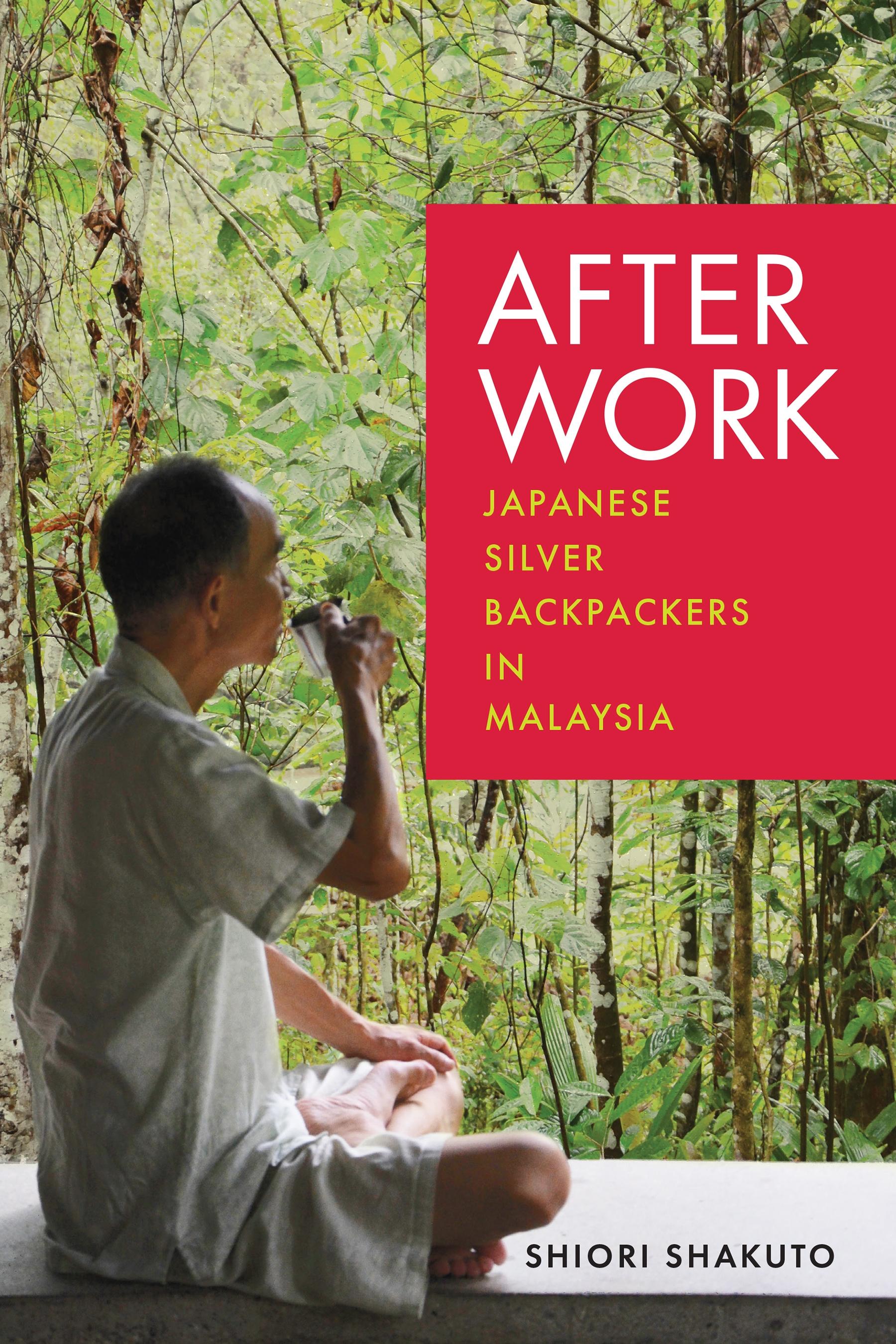
An ethnography of “silver backpackers” that offers a feminist perspective on what makes a good retirement in contemporary societies
The moniker “silver backpackers” refers to Japanese couples who, in their mid-fifties to seventies, move to Malaysia to enjoy their retirement. Recent scholarship on Japan has revealed how the gendered division of labor impacts the lives of middle-class workers and their families. But how do cultural values live on—or change—when these professionals retire from work, move on from identities built through salaried careers, and embark on a new phase of life? After Work takes up this question to focus on what comes after work, and in the process, expands our understanding of aging, gender, migration, and the future of work.
Based on fifteen months of fieldwork in Kuala Lumpur and employing a transnational feminist framework, After Work investigates moments of difference in the experiences of older women and men to examine patriarchal conversations that dominate ideas about contemporary retirement. Shiori Shakuto argues that anxiety around self and belonging in retirement are instigated by the capitalist labor regime and the discourse of successful aging, both of which devalue nonremunerated activities conducted at home. What is needed instead, she contends, is a re-valuation of key domestic activities—from caring for children to pursuing individual hobbies—so that “life” can be appreciated in its entirety.
Shakuto also takes into account the fact that this transnational retirement is set in Malaysia—a nation that Japan occupied during World War II and thereafter subject to decades of economic investment and resource exploitation by Japanese corporations. Highlighting how historical, cultural, and racialized complexities entangle with intimate relations in increasingly connected Asian countries while simultaneously acknowledging how the boundaries between work and life blur ever more in contemporary society, After Work complicates our perceptions of aging and a “good” retirement as well as our understandings of gender, migration, and the future of work as we know it.
Before Memmo my notes were scattered across PDFs. Now a workspace pulls everything into one place — I see exactly what's still left to study.
Memmo's summaries are gold before exams. I don't have to re-read 800 pages two weeks before — just the important parts.
The AI chat has saved me the night before an exam more than once. I just keep asking until I get it — no waiting on a study group to reply.
The quizzes hit exactly what I need to know. Memmo tracks what I get stuck on — so I only practice what's worth it.
Flashcards with spaced repetition are magic. Memmo knows when I'm about to forget something and brings it back.
The AI podcasts are my favorite. I listen on my way to school and get a recap without sitting at a computer.

Handbok i kvalitativa metoder
281 kr

Hållbar utveckling: en introduktion för ingenjörer och andra problemlösare
334 kr

Brymans Samhällsvetenskapliga metoder
390 kr

Projektledning
491 kr

Den orättvisa hälsan: om socioekonomiska skillnader i hälsa och livslängd
326 kr

Vetenskapsteori för nybörjare
196 kr

Organizational Leadership
429 kr

På väg mot läraryrket
172 kr

Det sociala livet i skolan: Socialpsykologiska perspektiv
253 kr

Betygsättningens didaktik
151 kr

Personality
402 kr

Studying Leadership
404 kr

Managing Innovation
477 kr

Introduktion till samhällsvetenskaplig metod
347 kr

The Psychology of Sex and Gender
698 kr

Evidens och kunskap för socialt arbete
207 kr

Introduction to Leadership
605 kr