
Before Memmo my notes were scattered across PDFs. Now a workspace pulls everything into one place — I see exactly what's still left to study.
Explores how early modern writers used poetry to fight food insecurity
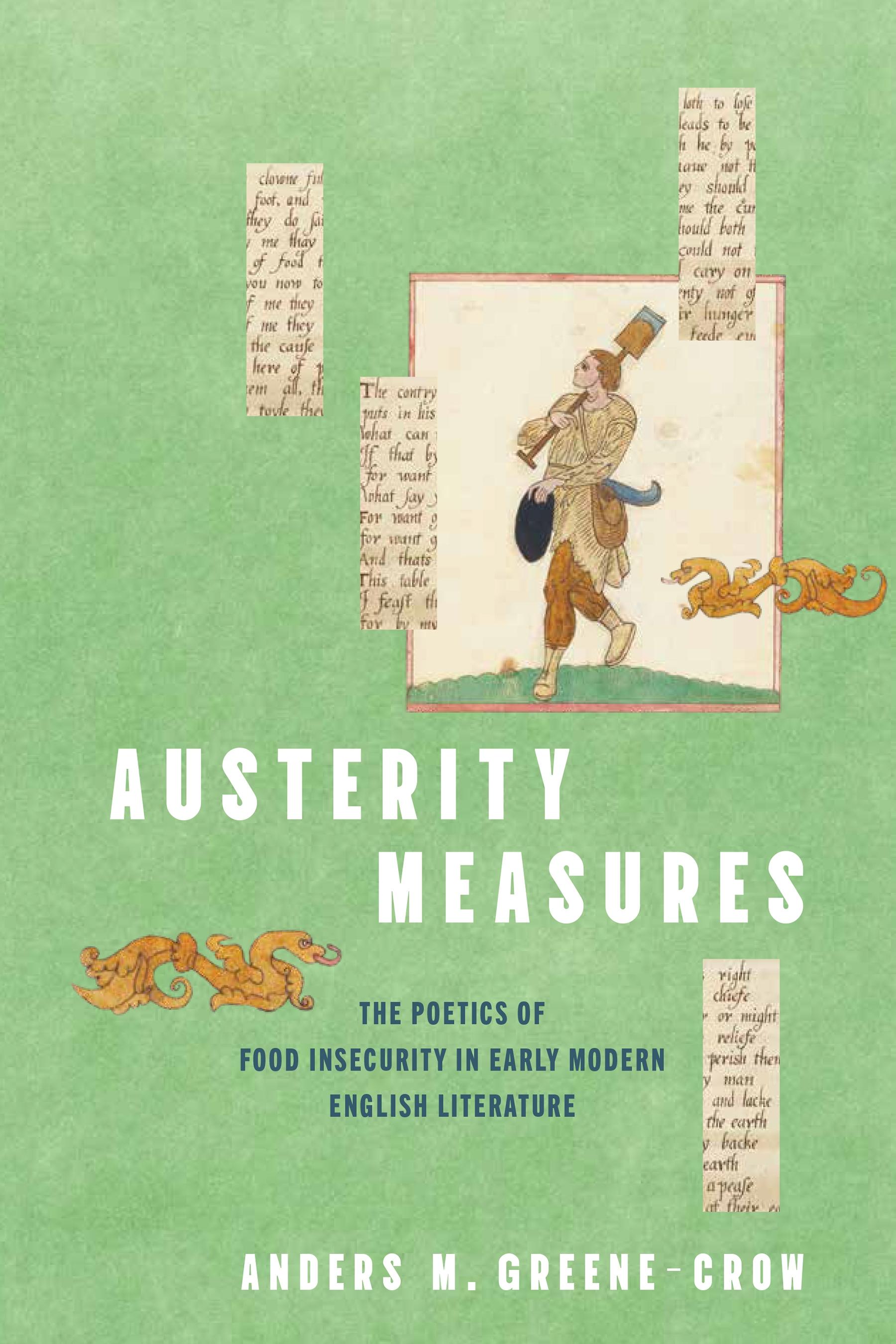
Austerity Measures explores how early modern writers used poetic form as a tool to fight extreme food insecurity. Authors such as Thomas Tusser, George Herbert, Robert Herrick, Anne Bradstreet, and Thomas Tryon witnessed the privatization of public farmland, rising food prices amidst uncontrolled inflation, mass starvation in nascent North American colonies, and the racist violence of the Caribbean plantation slavery system. Anders M. Greene-Crow shows how these authors experimented with literary form in an effort to change readers’ beliefs and behaviors with regard to food ethics.
By examining this history, Greene-Crow sheds new light on both modern-day food ethics and activism’s place in literary writing. This book traces how authors’ solutions to food insecurity turned away from structural models of communal care and toward the now-dominant consumer-capitalist model championing individual dietary choice. Simultaneously, he reveals why literary criticism began to discount literature’s power as a tool for social change. The New Critical school, whose close reading methodology dominates literary analysis, arose out of Southern Agrarianism, a movement that sought to return the South to antebellum structures of racial hierarchy and labor exploitation that took shape in the early modern period. These intersectional labor politics underlie close reading, continuing to limit critics’ understanding of how literary form produces social change, and reinforcing the scarcity culture of literature departments today.
By recovering poetry’s role as a force for affecting readers’ relationship to one of their most basic needs—the need to eat—Austerity Measures develops an alternative methodology that takes writers’ material conditions into account in analyzing form.
Before Memmo my notes were scattered across PDFs. Now a workspace pulls everything into one place — I see exactly what's still left to study.
Memmo's summaries are gold before exams. I don't have to re-read 800 pages two weeks before — just the important parts.
The AI chat has saved me the night before an exam more than once. I just keep asking until I get it — no waiting on a study group to reply.
The quizzes hit exactly what I need to know. Memmo tracks what I get stuck on — so I only practice what's worth it.
Flashcards with spaced repetition are magic. Memmo knows when I'm about to forget something and brings it back.
The AI podcasts are my favorite. I listen on my way to school and get a recap without sitting at a computer.

Handbok i kvalitativa metoder
281 kr

Hållbar utveckling: en introduktion för ingenjörer och andra problemlösare
334 kr

Brymans Samhällsvetenskapliga metoder
390 kr

Projektledning
491 kr

Den orättvisa hälsan: om socioekonomiska skillnader i hälsa och livslängd
326 kr

Organizational Leadership
429 kr

Vetenskapsteori för nybörjare
196 kr

På väg mot läraryrket
172 kr

Det sociala livet i skolan: Socialpsykologiska perspektiv
253 kr

Betygsättningens didaktik
151 kr

Personality
402 kr

Studying Leadership
404 kr

Managing Innovation
477 kr

Introduktion till samhällsvetenskaplig metod
347 kr

The Psychology of Sex and Gender
698 kr

Evidens och kunskap för socialt arbete
207 kr

Introduction to Leadership
605 kr