
Before Memmo my notes were scattered across PDFs. Now a workspace pulls everything into one place — I see exactly what's still left to study.
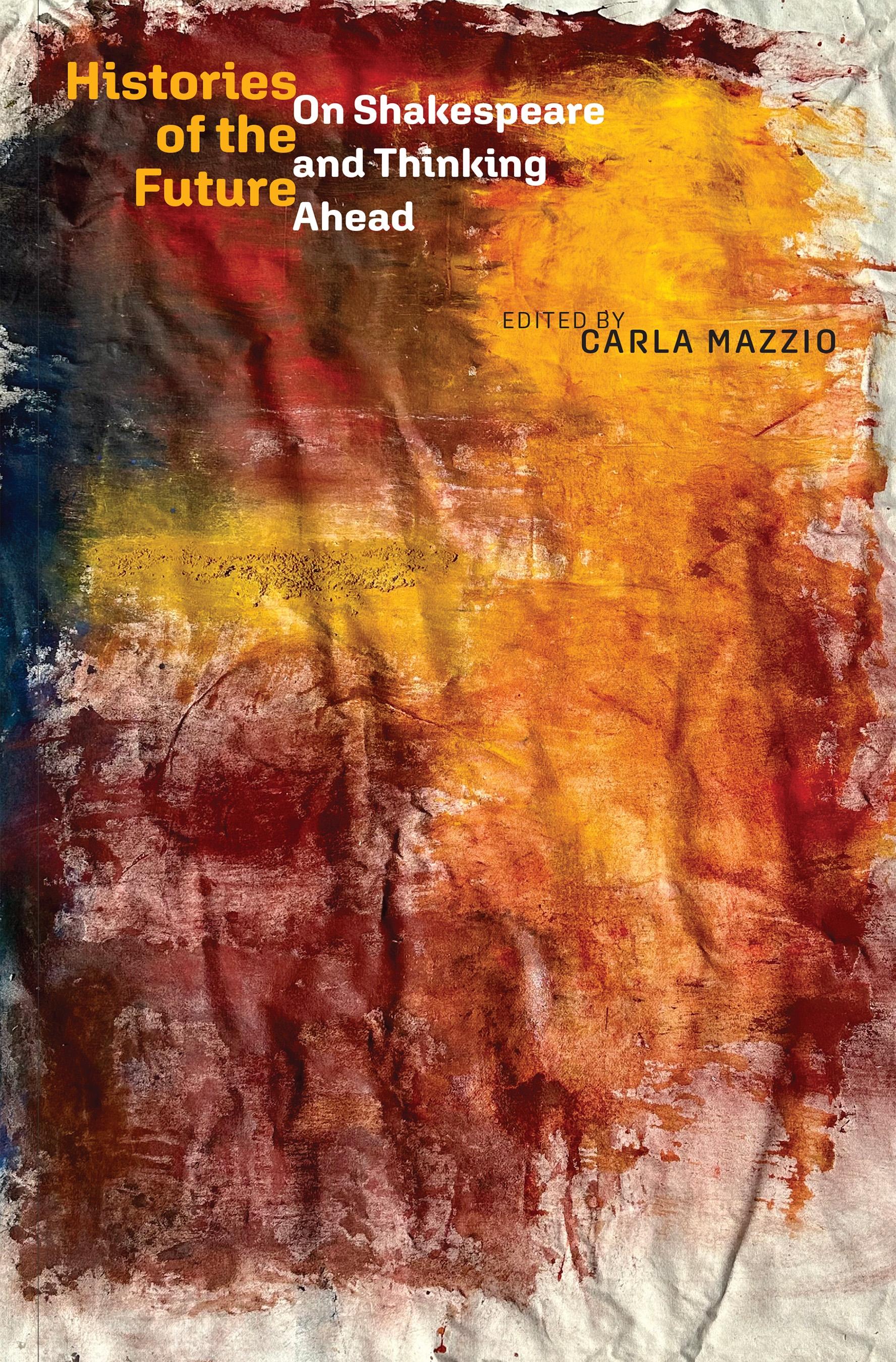
What early modern and Shakespeare studies have to offer contemporary thinking about the future
What do early modern and Shakespeare studies have to offer contemporary thinking about the future? Joining a series of urgent conversations about “the future” as an object of analysis and theorization in early modern history, art history, literature, science, theology, and law, Histories of the Future addresses this question directly. This volume brings together essays that draw on early modern modes of “thinking ahead” to reconsider the ways in which the teaching and reading of Shakespeare help shape how one imagines the future from the vantage point of today.
By stressing the importance of understanding how future-oriented thinking in the past informs perceptions of possibility in the present—with special attention to contemporary issues of climate change, economic inequality, race and indigeneity, queer lives, physical and mental health crises, academic precarity, conditions of scholarly labor, and the ongoing disastrous effects of settler colonialism—Histories of the Future contributes to a rich and expanding field of scholarship on temporality in pre- and early modern literatures and cultures. In the process, it also engages with key insights of twenty-first-century critical and cultural theory in reexamining historical issues ranging from the imagined inevitability of progress or apocalypse to fraught conditions of succession, chronology, catastrophe, influence, prophecy, and risk.
With essays by J. K. Barret, Urvashi Chakravarty, Drew Daniel, John Garrison, Margreta de Grazia, Jean E. Howard, Jeffrey Masten, Marissa Nicosia, Vimala Pasupathi, Kathryn Vomero Santos, and Scott Manning Stevens, Histories of the Future explores the possibilities and limits of early modern futures for “thinking ahead” today.
Before Memmo my notes were scattered across PDFs. Now a workspace pulls everything into one place — I see exactly what's still left to study.
Memmo's summaries are gold before exams. I don't have to re-read 800 pages two weeks before — just the important parts.
The AI chat has saved me the night before an exam more than once. I just keep asking until I get it — no waiting on a study group to reply.
The quizzes hit exactly what I need to know. Memmo tracks what I get stuck on — so I only practice what's worth it.
Flashcards with spaced repetition are magic. Memmo knows when I'm about to forget something and brings it back.
The AI podcasts are my favorite. I listen on my way to school and get a recap without sitting at a computer.

Handbok i kvalitativa metoder
281 kr

Hållbar utveckling: en introduktion för ingenjörer och andra problemlösare
334 kr

Brymans Samhällsvetenskapliga metoder
390 kr

Projektledning
491 kr

Den orättvisa hälsan: om socioekonomiska skillnader i hälsa och livslängd
326 kr

Vetenskapsteori för nybörjare
196 kr

Organizational Leadership
429 kr

På väg mot läraryrket
172 kr

Det sociala livet i skolan: Socialpsykologiska perspektiv
253 kr

Betygsättningens didaktik
151 kr

Personality
402 kr

Studying Leadership
404 kr

Managing Innovation
477 kr

Introduktion till samhällsvetenskaplig metod
347 kr

The Psychology of Sex and Gender
698 kr

Evidens och kunskap för socialt arbete
207 kr

Introduction to Leadership
605 kr