
Before Memmo my notes were scattered across PDFs. Now a workspace pulls everything into one place — I see exactly what's still left to study.
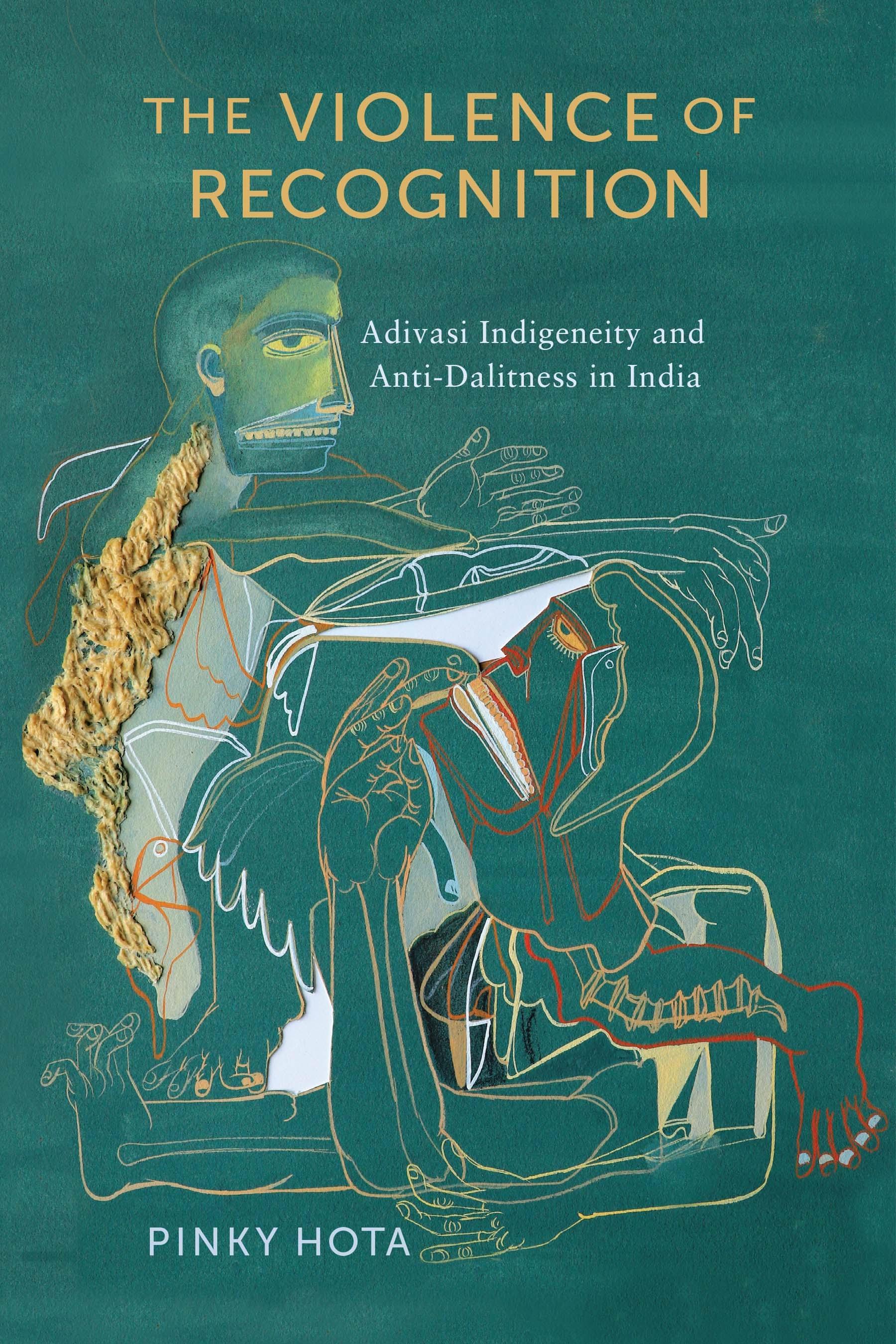
The Violence of Recognition offers an unprecedented firsthand account of the operations of Hindu nationalists and their role in sparking the largest incident of anti-Christian violence in India’s history. Through vivid ethnographic storytelling, Pinky Hota explores the roots of ethnonationalist conflict between two historically marginalized groups—the Kandha, who are Adivasi (tribal people considered indigenous in India), and the Pana, a community of Christian Dalits (previously referred to as “untouchables”). Hota documents how Hindutva mobilization led to large-scale violence, culminating in attacks against many thousands of Pana Dalits in the district of Kandhamal in 2008.
Bringing indigenous studies as well as race and ethnic studies into conversation with Dalit studies, Hota shows that, despite attempts to frame these ethnonationalist tensions as an indigenous population’s resistance against disenfranchisement, Kandha hostility against the Pana must be understood as anti-Christian, anti-Dalit violence animated by racial capitalism. Hota’s analysis of caste in relation to race and religion details how Hindu nationalists exploit the singular and exclusionary legal recognition of Adivasis and the putatively liberatory, anti-capitalist discourse of indigeneity in order to justify continued oppression of Dalits—particularly those such as the Pana. Because the Pana lost their legal protection as recognized minorities (Scheduled Caste) upon conversion to Christianity, they struggle for recognition within the Indian state’s classificatory scheme. Within the framework of recognition, Hota shows, indigeneity works as a political technology that reproduces the political, economic, and cultural exclusion of landless marginalized groups such as Dalits. The Violence of Recognition reveals the violent implications of minority recognition in creating and maintaining hierarchies of racial capitalism.
Before Memmo my notes were scattered across PDFs. Now a workspace pulls everything into one place — I see exactly what's still left to study.
Memmo's summaries are gold before exams. I don't have to re-read 800 pages two weeks before — just the important parts.
The AI chat has saved me the night before an exam more than once. I just keep asking until I get it — no waiting on a study group to reply.
The quizzes hit exactly what I need to know. Memmo tracks what I get stuck on — so I only practice what's worth it.
Flashcards with spaced repetition are magic. Memmo knows when I'm about to forget something and brings it back.
The AI podcasts are my favorite. I listen on my way to school and get a recap without sitting at a computer.

Handbok i kvalitativa metoder
281 kr

Hållbar utveckling: en introduktion för ingenjörer och andra problemlösare
334 kr

Brymans Samhällsvetenskapliga metoder
390 kr

Projektledning
491 kr

Den orättvisa hälsan: om socioekonomiska skillnader i hälsa och livslängd
326 kr

Vetenskapsteori för nybörjare
196 kr

Organizational Leadership
429 kr

På väg mot läraryrket
172 kr

Det sociala livet i skolan: Socialpsykologiska perspektiv
253 kr

Betygsättningens didaktik
151 kr

Personality
402 kr

Studying Leadership
404 kr

Managing Innovation
477 kr

Introduktion till samhällsvetenskaplig metod
347 kr

The Psychology of Sex and Gender
698 kr

Evidens och kunskap för socialt arbete
207 kr

Introduction to Leadership
605 kr