
Before Memmo my notes were scattered across PDFs. Now a workspace pulls everything into one place — I see exactly what's still left to study.
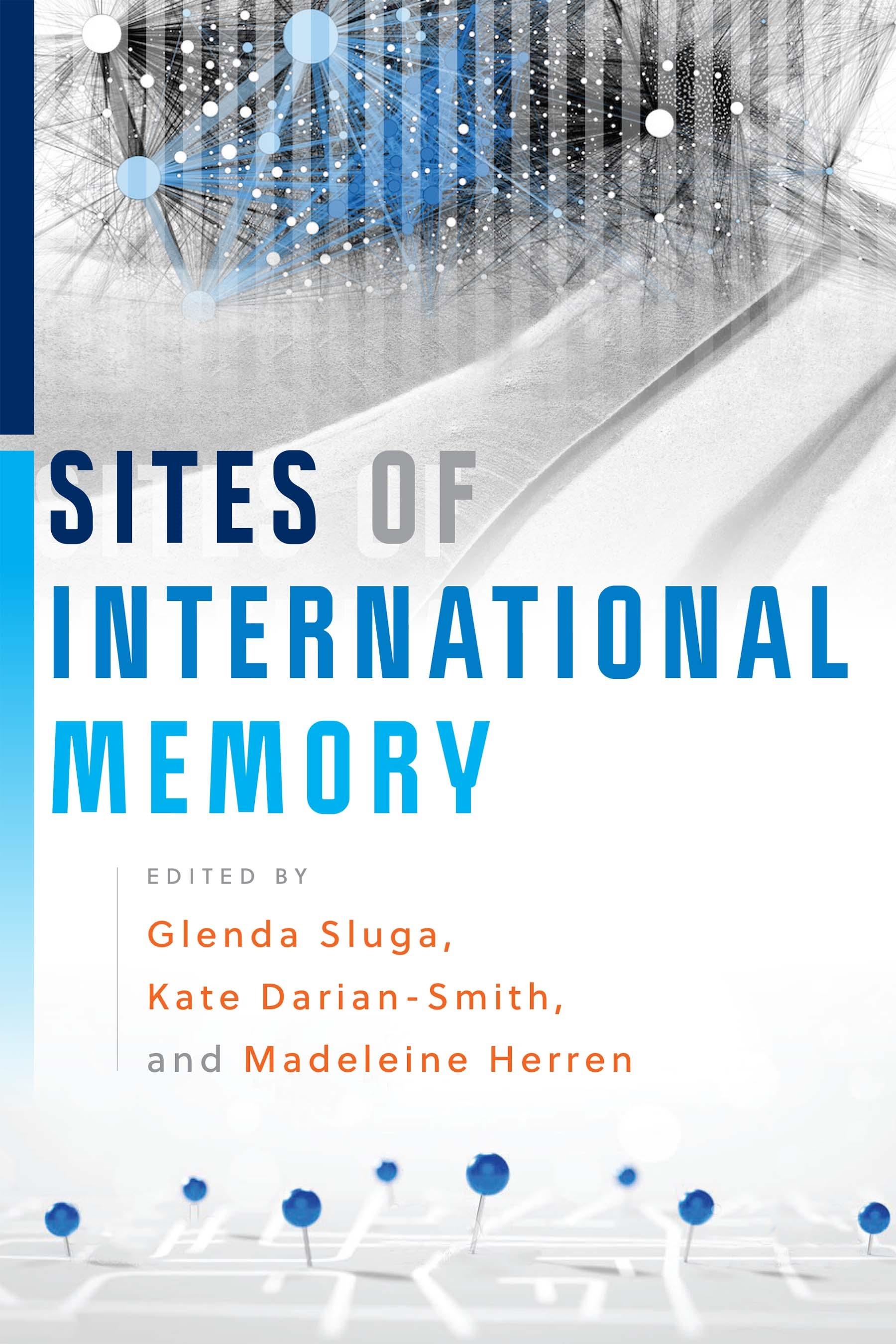
Whether we think of statues, plaques, street-names, practices, material or intangible forms of remembrance, the language of collective memory is everywhere, installed in the name of not only nations, or even empires, but also an international past. The essays in Sites of International Memory address the notion of a shared past, and how this idea is promulgated through sites and commemorative gestures that create or promote cultural memory of such global issues as wars, genocide, and movements of cross-national trade and commerce, as well as resistance and revolution.
In doing so, this edited collection asks: Where are the sites of international memory? What are the elements of such memories of international pasts, and of internationalism? How and why have we remembered or forgotten “sites” of international memory? Which elements of these international pasts are useful in the present?
Some contributors address specific sites and moments—World War II, liberation movements in India and Ethiopia, commemorations of genocide—while other pieces concentrate more on the theoretical, on the idea of cultural memory. UNESCO’s presence looms large in the volume, as it is the most visible and iconic international organization devoted to creating critical heritage studies on a world stage. Formed in the aftermath of World War II, UNESCO was instrumental in promoting the idea of a “humanity” that exists beyond national, regional, or cultural borders or definitions. Since then, UNESCO’s diplomatic and institutional channels have become the sites at which competing notions of international, world, and “human” communities have jostled in conjunction with politically specific understandings of cultural value and human rights.
This volume has been assembled to investigate sites of international memory that commemorate a past when it was possible to imagine, identify, and invoke “international” ideas, institutions, and experiences, in diverse, historically situated contexts.
Contributors:Dominique Biehl, Kristal Buckley, Roland Burke, Kate Darian-Smith, Sarah C. Dunstan, David Goodman, Madeleine Herren, Philippa Hetherington, Rohan Howitt, Alanna O’Malley, Eric Paglia, Glenda Sluga, Sverker Sörlin, Carolien Stolte, Beatrice Wayne, Ralph Weber, Jay Winter.
Before Memmo my notes were scattered across PDFs. Now a workspace pulls everything into one place — I see exactly what's still left to study.
Memmo's summaries are gold before exams. I don't have to re-read 800 pages two weeks before — just the important parts.
The AI chat has saved me the night before an exam more than once. I just keep asking until I get it — no waiting on a study group to reply.
The quizzes hit exactly what I need to know. Memmo tracks what I get stuck on — so I only practice what's worth it.
Flashcards with spaced repetition are magic. Memmo knows when I'm about to forget something and brings it back.
The AI podcasts are my favorite. I listen on my way to school and get a recap without sitting at a computer.

Handbok i kvalitativa metoder
281 kr

Hållbar utveckling: en introduktion för ingenjörer och andra problemlösare
334 kr

Brymans Samhällsvetenskapliga metoder
390 kr

Projektledning
491 kr

Den orättvisa hälsan: om socioekonomiska skillnader i hälsa och livslängd
326 kr

Vetenskapsteori för nybörjare
196 kr

Organizational Leadership
429 kr

På väg mot läraryrket
172 kr

Det sociala livet i skolan: Socialpsykologiska perspektiv
253 kr

Betygsättningens didaktik
151 kr

Personality
402 kr

Studying Leadership
404 kr

Managing Innovation
477 kr

Introduktion till samhällsvetenskaplig metod
347 kr

The Psychology of Sex and Gender
698 kr

Evidens och kunskap för socialt arbete
207 kr

Introduction to Leadership
605 kr