
Before Memmo my notes were scattered across PDFs. Now a workspace pulls everything into one place — I see exactly what's still left to study.
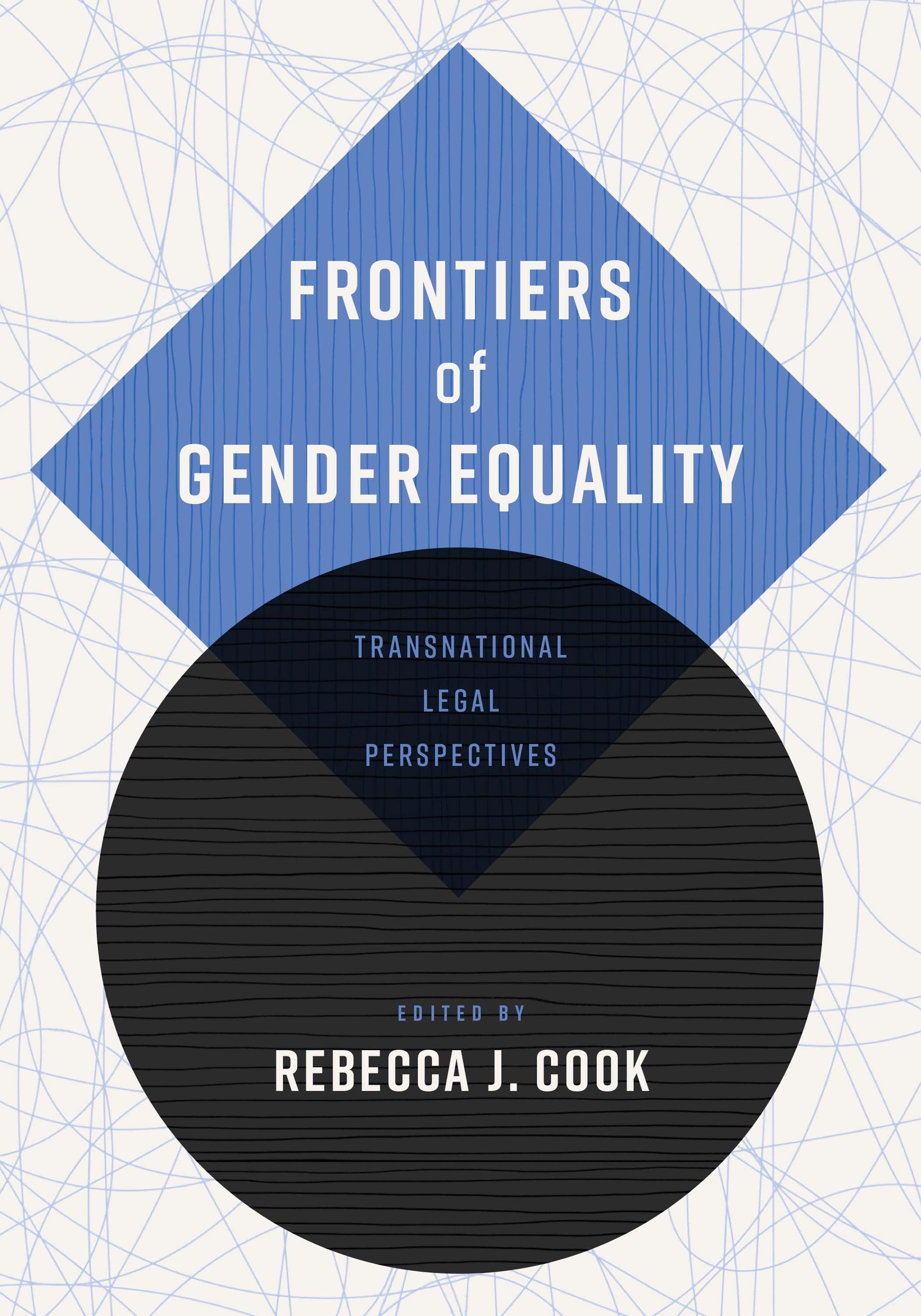
In Frontiers of Gender Equality, editor Rebecca Cook enlarges the chorus of voices to introduce new and different discourses about the wrongs of gender discrimination and to explain the multiple dimensions of gender equality. This volume demonstrates that the wrongs of discrimination can best be understood from the perspective of the discriminated, and that gender discrimination persists and grows in new and different contexts, widening the gap between the principle of gender equality and its realization, particularly for subgroups of women and LGBTQ+ peoples.
Frontiers of Gender Equality provides retrospective views of the struggles to eliminate gender discrimination in national courts and international human rights treaties. Focusing on gender equality enables comparisons and contrasts among these regimes to better understand how they reinforce gender equality norms. Different regional and international treaties are examined, those in the forefront of advancing gender equality, those that are promising but little known, and those whose focus includes economic, social, and cultural rights, to explore why some struggles were successful and others less so. The book illustrates how gender discrimination continues to be normalized and camouflaged, and how it intersects with other axes of subordination, such as indigeneity, religion, and poverty, to create new forms of intersectional discrimination.
With the benefit of hindsight, the book’s contributors reconstruct gender equalities in concrete situations. Given the increasingly porous exchanges between domestic and international law, various national, regional, and international decisions and texts are examined to determine how better to breathe life into equality from the perspectives, for instance, of Indigenous and Muslim women, those who were violated sexually and physically, and those needing access to necessary health care, including abortion. The conclusion suggests areas of future research, including how to translate the concept of intersectionality into normative and institutional settings, which will assist in promoting the goals of gender equality.
Before Memmo my notes were scattered across PDFs. Now a workspace pulls everything into one place — I see exactly what's still left to study.
Memmo's summaries are gold before exams. I don't have to re-read 800 pages two weeks before — just the important parts.
The AI chat has saved me the night before an exam more than once. I just keep asking until I get it — no waiting on a study group to reply.
The quizzes hit exactly what I need to know. Memmo tracks what I get stuck on — so I only practice what's worth it.
Flashcards with spaced repetition are magic. Memmo knows when I'm about to forget something and brings it back.
The AI podcasts are my favorite. I listen on my way to school and get a recap without sitting at a computer.

Handbok i kvalitativa metoder
281 kr

Hållbar utveckling: en introduktion för ingenjörer och andra problemlösare
334 kr

Brymans Samhällsvetenskapliga metoder
390 kr

Projektledning
491 kr

Den orättvisa hälsan: om socioekonomiska skillnader i hälsa och livslängd
326 kr

Vetenskapsteori för nybörjare
196 kr

Organizational Leadership
429 kr

På väg mot läraryrket
172 kr

Det sociala livet i skolan: Socialpsykologiska perspektiv
253 kr

Betygsättningens didaktik
151 kr

Personality
402 kr

Studying Leadership
404 kr

Managing Innovation
477 kr

Introduktion till samhällsvetenskaplig metod
347 kr

The Psychology of Sex and Gender
698 kr

Evidens och kunskap för socialt arbete
207 kr

Introduction to Leadership
605 kr