
Before Memmo my notes were scattered across PDFs. Now a workspace pulls everything into one place — I see exactly what's still left to study.
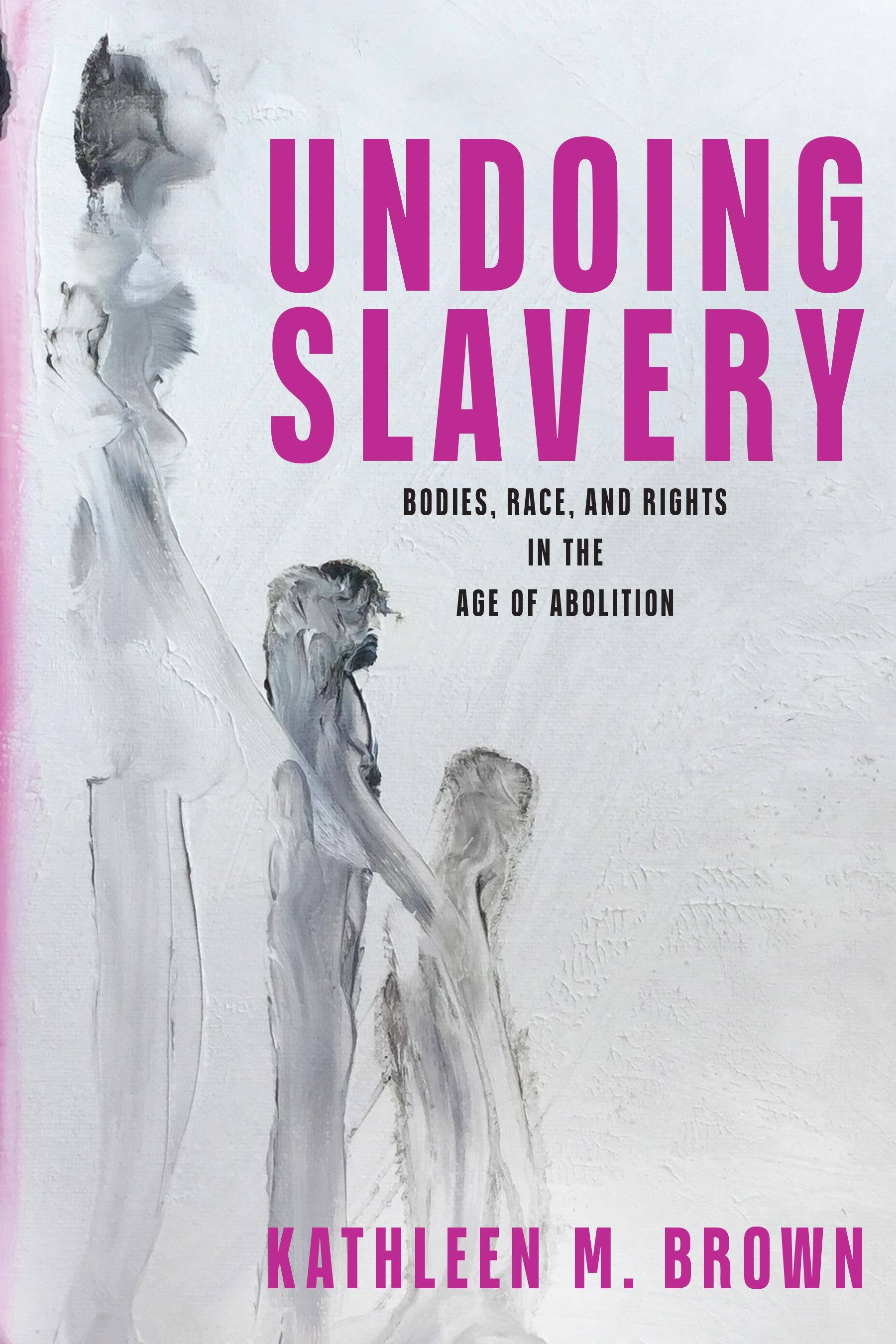
Undoing Slavery excavates cultural, political, medical, and legal history to understand the abolitionist focus on the body on its own terms. Motivated by their conviction that the physical form of the human body was universal and faced with the growing racism of eighteenth- and nineteenth-century science, abolitionists in North America and Britain focused on undoing slavery’s harm to the bodies of the enslaved. Their pragmatic focus on restoring the bodily integrity and wellbeing of enslaved people threw up many unexpected challenges. This book explores those challenges.
Slavery exploited the bodies of men and women differently: enslaved women needed to be acknowledged as mothers rather than as reproducers of slave property, and enslaved men needed to claim full adult personhood without triggering white fears about their access to male privilege. Slavery’s undoing became more fraught by the 1850s, moreover, as federal Fugitive Slave Law and racist medicine converged. The reach of the federal government across the borders of free states and theories about innate racial difference collapsed the distinctions between enslaved and emancipated people of African descent, making militant action necessary.
Escaping to so-called “free” jurisdictions, refugees from slavery demonstrated that a person could leave the life of slavery behind. But leaving behind the enslaved body, the fleshy archive of trauma and injury, proved impossible. Bodies damaged by slavery needed urgent physical care as well as access to medical knowledge untainted by racist science. As the campaign to end slavery revealed, legal rights alone, while necessary, were not sufficient either to protect or heal the bodies of African-descended people from the consequences of slavery and racism.
Before Memmo my notes were scattered across PDFs. Now a workspace pulls everything into one place — I see exactly what's still left to study.
Memmo's summaries are gold before exams. I don't have to re-read 800 pages two weeks before — just the important parts.
The AI chat has saved me the night before an exam more than once. I just keep asking until I get it — no waiting on a study group to reply.
The quizzes hit exactly what I need to know. Memmo tracks what I get stuck on — so I only practice what's worth it.
Flashcards with spaced repetition are magic. Memmo knows when I'm about to forget something and brings it back.
The AI podcasts are my favorite. I listen on my way to school and get a recap without sitting at a computer.

Handbok i kvalitativa metoder
281 kr

Hållbar utveckling: en introduktion för ingenjörer och andra problemlösare
334 kr

Brymans Samhällsvetenskapliga metoder
390 kr

Projektledning
491 kr

Den orättvisa hälsan: om socioekonomiska skillnader i hälsa och livslängd
326 kr

Organizational Leadership
429 kr

Vetenskapsteori för nybörjare
196 kr

På väg mot läraryrket
172 kr

Det sociala livet i skolan: Socialpsykologiska perspektiv
253 kr

Betygsättningens didaktik
151 kr

Personality
402 kr

Studying Leadership
404 kr

Managing Innovation
477 kr

Introduktion till samhällsvetenskaplig metod
347 kr

The Psychology of Sex and Gender
698 kr

Evidens och kunskap för socialt arbete
207 kr

Introduction to Leadership
605 kr