
Before Memmo my notes were scattered across PDFs. Now a workspace pulls everything into one place — I see exactly what's still left to study.
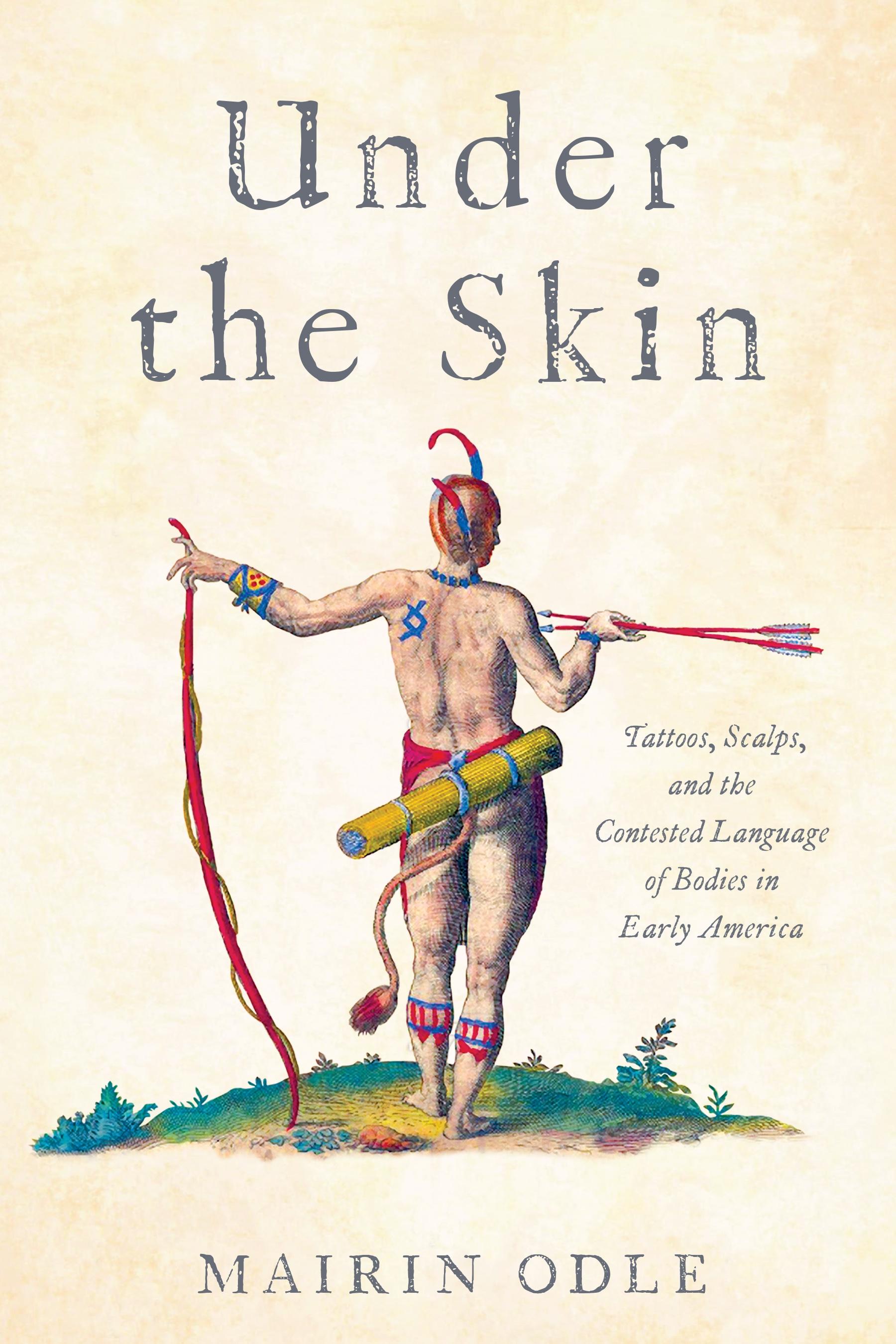
Under the Skin investigates the role of cross-cultural body modification in seventeenth-century and eighteenth-century North America, revealing that the practices of tattooing and scalping were crucial to interactions between Natives and newcomers. These permanent and painful marks could act as signs of alliance or signs of conflict, producing a complex bodily archive of cross-cultural entanglement.
Indigenous body modification practices were adopted and transformed by colonial powers, making tattooing and scalping key forms of cultural and political contestation in early America. Although these bodily practices were quite distinct—one a painful but generally voluntary sign of accomplishment and affiliation, the other a violent assault on life and identity—they were linked by growing colonial perceptions that both were crucial elements of “Nativeness.” Tracing the transformation of concepts of bodily integrity, personal and collective identities, and the sources of human difference, Under the Skin investigates both the lived physical experience and the contested metaphorical power of early American bodies.
Struggling for power on battlefields, in diplomatic gatherings, and in intellectual exchanges, Native Americans and Anglo-Americans found their physical appearances dramatically altered by their interactions with one another. Contested ideas about the nature of human and societal difference translated into altered appearances for many early Americans. In turn, scars and symbols on skin prompted an outpouring of stories as people debated the meaning of such marks. Perhaps paradoxically, individuals with culturally ambiguous or hybrid appearances prompted increasing efforts to insist on permanent bodily identity. By the late eighteenth century, ideas about the body, phenotype, and culture were increasingly articulated in concepts of race. Yet even as the interpretations assigned to inscribed flesh shifted, fascination with marked bodies remained.
Before Memmo my notes were scattered across PDFs. Now a workspace pulls everything into one place — I see exactly what's still left to study.
Memmo's summaries are gold before exams. I don't have to re-read 800 pages two weeks before — just the important parts.
The AI chat has saved me the night before an exam more than once. I just keep asking until I get it — no waiting on a study group to reply.
The quizzes hit exactly what I need to know. Memmo tracks what I get stuck on — so I only practice what's worth it.
Flashcards with spaced repetition are magic. Memmo knows when I'm about to forget something and brings it back.
The AI podcasts are my favorite. I listen on my way to school and get a recap without sitting at a computer.

Handbok i kvalitativa metoder
281 kr

Hållbar utveckling: en introduktion för ingenjörer och andra problemlösare
334 kr

Brymans Samhällsvetenskapliga metoder
390 kr

Projektledning
491 kr

Den orättvisa hälsan: om socioekonomiska skillnader i hälsa och livslängd
326 kr

Organizational Leadership
429 kr

Vetenskapsteori för nybörjare
196 kr

På väg mot läraryrket
172 kr

Det sociala livet i skolan: Socialpsykologiska perspektiv
253 kr

Betygsättningens didaktik
151 kr

Personality
402 kr

Studying Leadership
404 kr

Managing Innovation
477 kr

Introduktion till samhällsvetenskaplig metod
347 kr

The Psychology of Sex and Gender
698 kr

Evidens och kunskap för socialt arbete
207 kr

Introduction to Leadership
605 kr