
Before Memmo my notes were scattered across PDFs. Now a workspace pulls everything into one place — I see exactly what's still left to study.
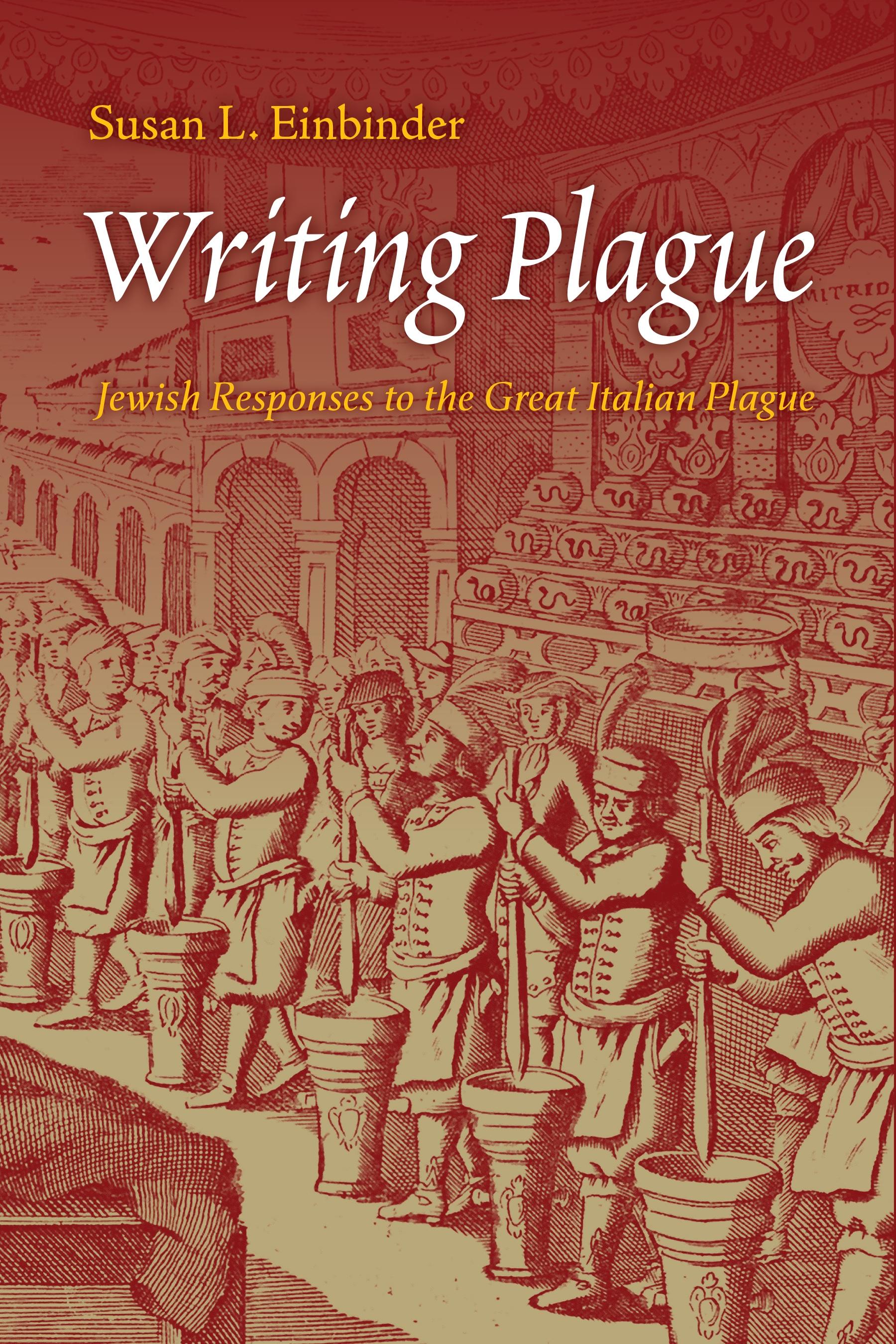
A wave of plague swept the cities of northern Italy in 1630–31, ravaging Christian and Jewish communities alike. In Writing Plague Susan L. Einbinder explores the Hebrew texts that lay witness to the event. These Jewish sources on the Great Italian Plague have never been treated together as a group, Einbinder observes, but they can contribute to a bigger picture of this major outbreak and how it affected people, institutions, and beliefs; how individuals and institutions responded; and how they did or did not try to remember and memorialize it. High self-consciousness characterizes many of the authorial voices, and the sophisticated and deliberate ways these authors represented themselves reveal a complex process of self-fashioning that equally contours the representation and meaning of plague. Conversely, it is under the strain of plague that conventions of self-fashioning come to the fore.
In the end, what proves most striking is how quickly these accounts retreated into obscurity. Why was this plague, which was among the most documented of all outbreaks since the Black Death of the fourteenth century, ultimately consigned to silence in Jewish memory? Did the memory take shape outside the written or material remains that we typically consult, in ephemeral forms that were lost over time? How much were the official genres of commemoration responsible for the erosion of historical particularity? How much did these conventionalized forms of mourning help individuals find language for private experience? And how, conversely, was private experience reconfigured to signify public grief?
Throughout Writing Plague, Einbinder unearths and analyzes a cluster of little-known texts, reading them as much for the things about which they remain silent as for the things they seem openly to express. It is a compelling hybrid work of literary criticism and historical reflection about premodern constructions of self and community.
Before Memmo my notes were scattered across PDFs. Now a workspace pulls everything into one place — I see exactly what's still left to study.
Memmo's summaries are gold before exams. I don't have to re-read 800 pages two weeks before — just the important parts.
The AI chat has saved me the night before an exam more than once. I just keep asking until I get it — no waiting on a study group to reply.
The quizzes hit exactly what I need to know. Memmo tracks what I get stuck on — so I only practice what's worth it.
Flashcards with spaced repetition are magic. Memmo knows when I'm about to forget something and brings it back.
The AI podcasts are my favorite. I listen on my way to school and get a recap without sitting at a computer.

Handbok i kvalitativa metoder
281 kr

Hållbar utveckling: en introduktion för ingenjörer och andra problemlösare
334 kr

Brymans Samhällsvetenskapliga metoder
390 kr

Projektledning
491 kr

Den orättvisa hälsan: om socioekonomiska skillnader i hälsa och livslängd
326 kr

Organizational Leadership
429 kr

Vetenskapsteori för nybörjare
196 kr

På väg mot läraryrket
172 kr

Det sociala livet i skolan: Socialpsykologiska perspektiv
253 kr

Betygsättningens didaktik
151 kr

Personality
402 kr

Studying Leadership
404 kr

Managing Innovation
477 kr

Introduktion till samhällsvetenskaplig metod
347 kr

The Psychology of Sex and Gender
698 kr

Evidens och kunskap för socialt arbete
207 kr

Introduction to Leadership
605 kr