
Before Memmo my notes were scattered across PDFs. Now a workspace pulls everything into one place — I see exactly what's still left to study.
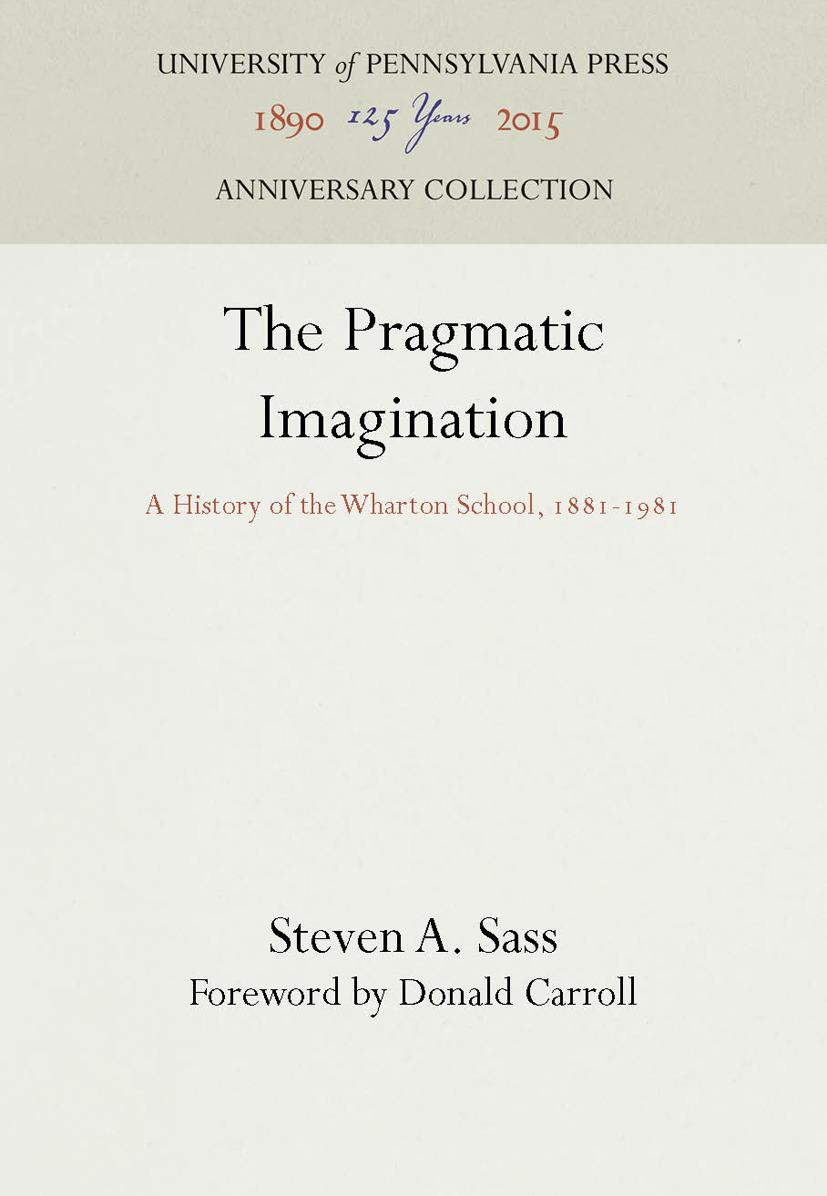
As prominent as the Wharton School of Business is today, so was the Wharton family in the mercantile world of eighteenth-century Philadelphia. Nineteenth-century scion of this large and wealthy business family, Joseph Wharton amassed a huge new fortune in his American Nickel Company and the Bethlehem Steel Corporation, and through these enterprises helped catapult the nation into the modern age of industry. In 1881, while still in mid-career, he contributed part of his accumulated wealth to endow the Wharton School of Finance and Economy at the University of Pennsylvania. Wharton's purpose was to prepare the city's young men "of inherited wealth and capacity" to assume control of the complex economy that he and his fellow entrepreneurs were then creating. He would have the university provide that cultural background needed by all gentlemen of society, while the new Wharton course would instruct students in those economic experiences necessary for success in the world of practical affairs. Wharton's investment and instructional program began the modern tradition of collegiate management education.
Steven A. Sass's The Pragmatic Imagination not only provides a history of the world's oldest and still one of the most prestigious schools of management but also offers a fascinating exploration of the interaction of higher education and economic activity. The volume illuminates the essential tension in professional business education—that between utilitarian training and scholarly speculation—and analyzes the various regimes of conflict, accommodation, and synergy between these two interests. Providing the unifying theme of the history is Joseph Wharton's ambition to create a leadership class for industrial America. Careful attention is devoted to the various strategies adopted to achieve this end and to the forces that facilitated or frustrated the founder's purpose. Essentially an essay on the role of authority in the development of American culture, The Pragmatic Imagination carries the history of Joseph Wharton's experiment from its origins in the ironmaster's entrepreneurial ethos; through the vigorous Mugwumpery of the 1880s; to the gospel of the Progressive Era of civic revival and practical education; into the crises of depression and war; through the flowering of econometrics and operations research; down to the present-day vogue for the M.B.A.
Before Memmo my notes were scattered across PDFs. Now a workspace pulls everything into one place — I see exactly what's still left to study.
Memmo's summaries are gold before exams. I don't have to re-read 800 pages two weeks before — just the important parts.
The AI chat has saved me the night before an exam more than once. I just keep asking until I get it — no waiting on a study group to reply.
The quizzes hit exactly what I need to know. Memmo tracks what I get stuck on — so I only practice what's worth it.
Flashcards with spaced repetition are magic. Memmo knows when I'm about to forget something and brings it back.
The AI podcasts are my favorite. I listen on my way to school and get a recap without sitting at a computer.

Handbok i kvalitativa metoder
281 kr

Hållbar utveckling: en introduktion för ingenjörer och andra problemlösare
334 kr

Brymans Samhällsvetenskapliga metoder
390 kr

Projektledning
491 kr

Den orättvisa hälsan: om socioekonomiska skillnader i hälsa och livslängd
326 kr

Vetenskapsteori för nybörjare
196 kr

Organizational Leadership
429 kr

På väg mot läraryrket
172 kr

Det sociala livet i skolan: Socialpsykologiska perspektiv
253 kr

Betygsättningens didaktik
151 kr

Personality
402 kr

Studying Leadership
404 kr

Managing Innovation
477 kr

Introduktion till samhällsvetenskaplig metod
347 kr

The Psychology of Sex and Gender
698 kr

Evidens och kunskap för socialt arbete
207 kr

Introduction to Leadership
605 kr