
Before Memmo my notes were scattered across PDFs. Now a workspace pulls everything into one place — I see exactly what's still left to study.
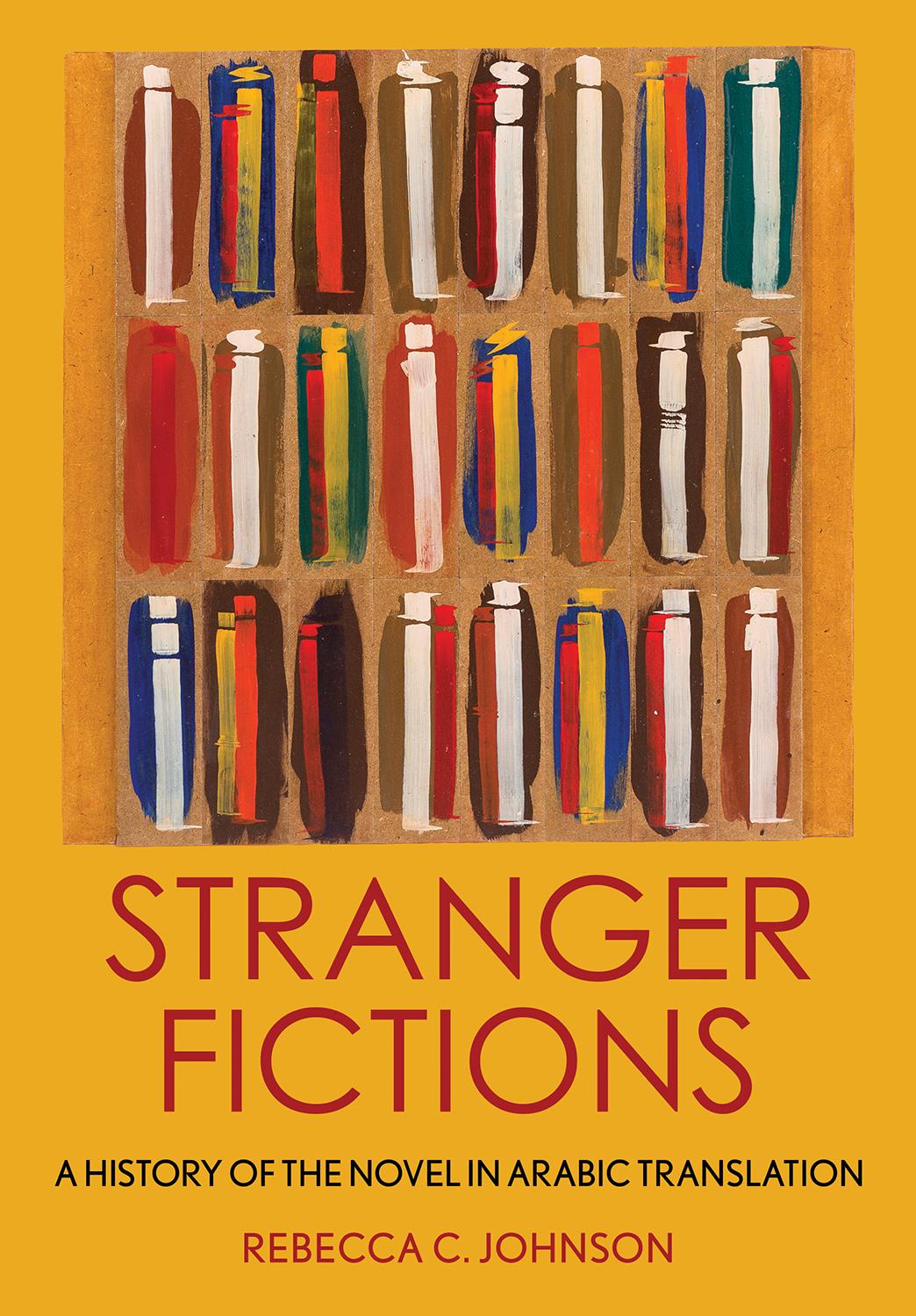
Zaynab, first published in 1913, is widely cited as the first Arabic novel, yet the previous eight decades saw hundreds of novels translated into Arabic from English and French. This vast literary corpus influenced generations of Arab writers but has, until now, been considered a curious footnote in the genre's history. Incorporating these works into the history of the Arabic novel, Stranger Fictions offers a transformative new account of modern Arabic literature, world literature, and the novel.
Rebecca C. Johnson rewrites the history of the global circulation of the novel by moving Arabic literature from the margins of comparative literature to its center. Considering the wide range of nineteenth- and early twentieth-century translation practices—including "bad" translation, mistranslation, and pseudotranslation—Johnson argues that Arabic translators did far more than copy European works; they authored new versions of them, producing sophisticated theorizations of the genre. These translations and the reading practices they precipitated form the conceptual and practical foundations of Arab literary modernity, necessitating an overhaul of our notions of translation, cultural exchange, and the global.
Examining nearly a century of translations published in Beirut, Cairo, Malta, Paris, London, and New York, from Qiat Rūbinun Kurūzī (The story of Robinson Crusoe) in 1835 to pastiched crime stories in early twentieth-century Egyptian magazines, Johnson shows how translators theorized the Arab world not as Europe's periphery but as an alternative center in a globalized network. Stranger Fictions affirms the central place of (mis)translation in both the history of the novel in Arabic and the novel as a transnational form itself.
Before Memmo my notes were scattered across PDFs. Now a workspace pulls everything into one place — I see exactly what's still left to study.
Memmo's summaries are gold before exams. I don't have to re-read 800 pages two weeks before — just the important parts.
The AI chat has saved me the night before an exam more than once. I just keep asking until I get it — no waiting on a study group to reply.
The quizzes hit exactly what I need to know. Memmo tracks what I get stuck on — so I only practice what's worth it.
Flashcards with spaced repetition are magic. Memmo knows when I'm about to forget something and brings it back.
The AI podcasts are my favorite. I listen on my way to school and get a recap without sitting at a computer.

Handbok i kvalitativa metoder
281 kr

Hållbar utveckling: en introduktion för ingenjörer och andra problemlösare
334 kr

Brymans Samhällsvetenskapliga metoder
390 kr

Projektledning
491 kr

Den orättvisa hälsan: om socioekonomiska skillnader i hälsa och livslängd
326 kr

Vetenskapsteori för nybörjare
196 kr

Organizational Leadership
429 kr

På väg mot läraryrket
172 kr

Det sociala livet i skolan: Socialpsykologiska perspektiv
253 kr

Betygsättningens didaktik
151 kr

Personality
402 kr

Studying Leadership
404 kr

Managing Innovation
477 kr

Introduktion till samhällsvetenskaplig metod
347 kr

The Psychology of Sex and Gender
698 kr

Evidens och kunskap för socialt arbete
207 kr

Introduction to Leadership
605 kr