
Before Memmo my notes were scattered across PDFs. Now a workspace pulls everything into one place — I see exactly what's still left to study.
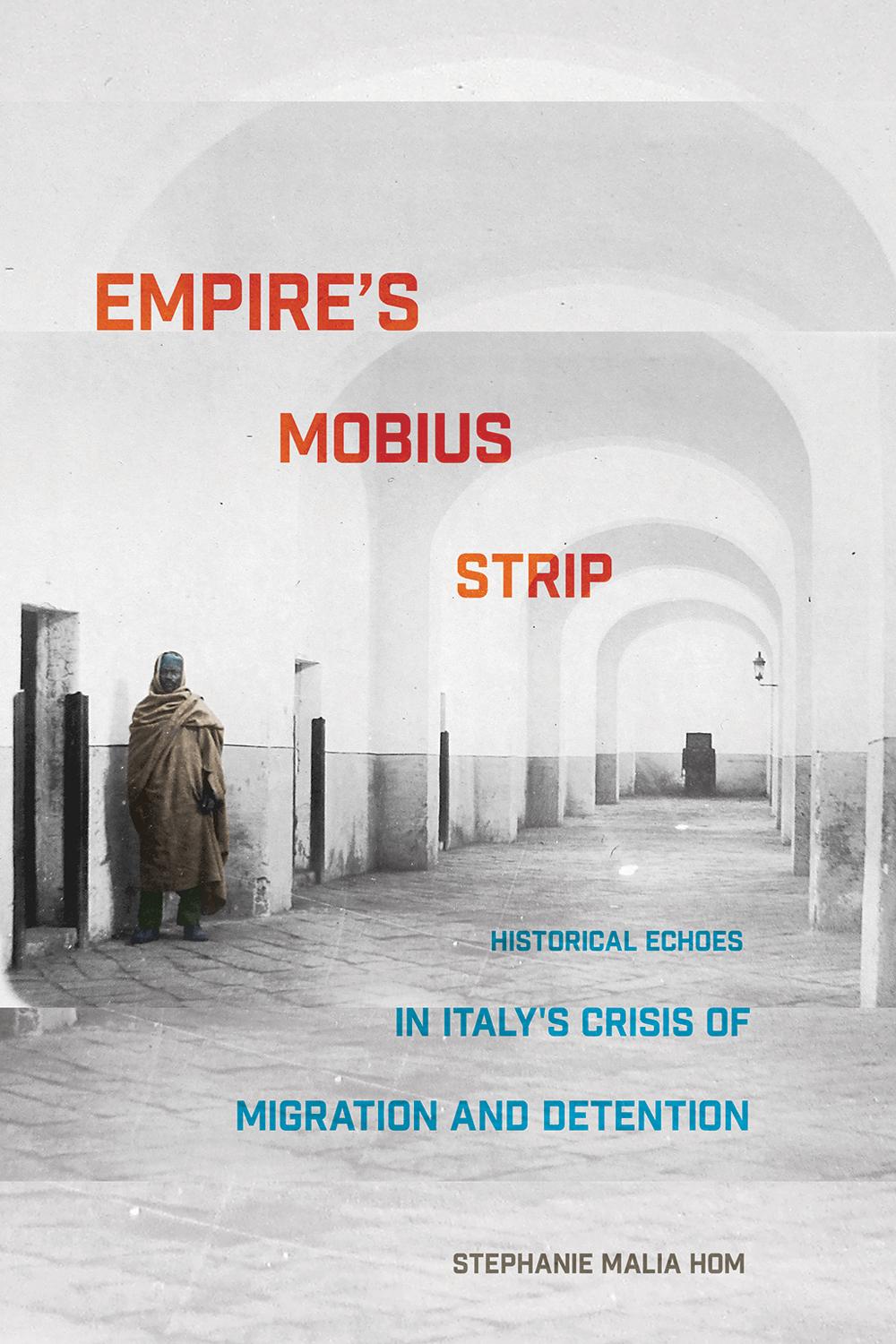
Its brilliant prose makes [Empire's Mobius Strip] easily accessible to anyone interested in today's migration crisis in the Mediterranean and elsewhere in the world.â• American Historical Review
Italy's current crisis of Mediterranean migration and detention has its roots in early twentieth century imperial ambitions. ;Empire's Mobius Strip investigates how mobile populations were perceived to be major threats to Italian colonization, and how the state's historical mechanisms of control have resurfaced, with greater force, in today's refugee crisis.
What is at stake in Empire's Mobius Strip is a deeper understanding of the forces driving those who move by choice and those who are moved. Stephanie Malia Hom focuses on Libya, considered Italy's most valuable colony, both politically and economically. Often perceived as the least of the great powers, Italian imperialism has been framed as something of "colonialism lite." But Italian colonizers carried out genocide between 1929–33, targeting nomadic Bedouin and marching almost 100,000 of them across the desert, incarcerating them in camps where more than half who entered died, simply because the Italians considered their way of life suspect. There are uncanny echoes with the situation of the Roma and migrants today. Hom explores three sites, in novella-like essays, where Italy's colonial past touches down in the present: the island, the camp, and the village.
Empire's Mobius Strip brings into relief Italy's shifting constellations of mobility and empire, giving them space to surface, submerge, stretch out across time, and fold back on themselves like a Mobius strip. It deftly shows that mobility forges lasting connections between colonial imperialism and neoliberal empire, establishing Italy as a key site for the study of imperial formations in Europe and the Mediterranean.
Before Memmo my notes were scattered across PDFs. Now a workspace pulls everything into one place — I see exactly what's still left to study.
Memmo's summaries are gold before exams. I don't have to re-read 800 pages two weeks before — just the important parts.
The AI chat has saved me the night before an exam more than once. I just keep asking until I get it — no waiting on a study group to reply.
The quizzes hit exactly what I need to know. Memmo tracks what I get stuck on — so I only practice what's worth it.
Flashcards with spaced repetition are magic. Memmo knows when I'm about to forget something and brings it back.
The AI podcasts are my favorite. I listen on my way to school and get a recap without sitting at a computer.

Handbok i kvalitativa metoder
281 kr

Hållbar utveckling: en introduktion för ingenjörer och andra problemlösare
334 kr

Brymans Samhällsvetenskapliga metoder
390 kr

Projektledning
491 kr

Den orättvisa hälsan: om socioekonomiska skillnader i hälsa och livslängd
326 kr

Organizational Leadership
429 kr

Vetenskapsteori för nybörjare
196 kr

På väg mot läraryrket
172 kr

Det sociala livet i skolan: Socialpsykologiska perspektiv
253 kr

Betygsättningens didaktik
151 kr

Personality
402 kr

Studying Leadership
404 kr

Managing Innovation
477 kr

Introduktion till samhällsvetenskaplig metod
347 kr

The Psychology of Sex and Gender
698 kr

Evidens och kunskap för socialt arbete
207 kr

Introduction to Leadership
605 kr