
Before Memmo my notes were scattered across PDFs. Now a workspace pulls everything into one place — I see exactly what's still left to study.
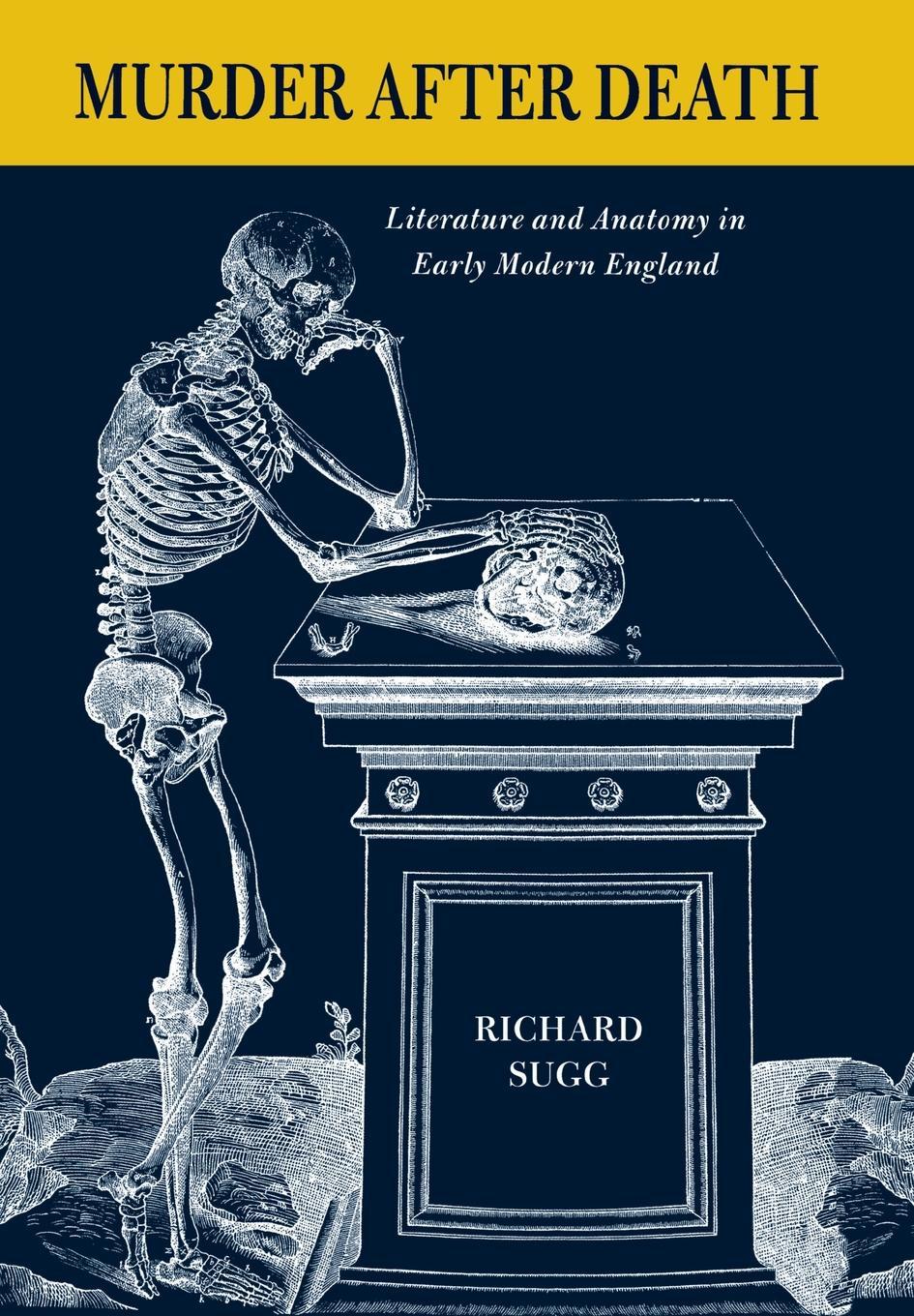
Just as museum exhibits of plastinated corpses, television dramas about forensics, and books about the eventual fate of human remains provoke interest and generate ethical debates today, anatomy was a topic of fascination-and autopsies a spectator pastime-in England from the mid-Elizabethan era through the outbreak of civil war. Rather than regard such preoccupations as purely macabre, Richard Sugg sees them as precursors of a profoundly new scientific and cultural discourse.
Tracing the influence of continental anatomy on English literature across the period, Sugg begins his exploration with the essentially sacralizing aspects of dissection—as expressed, for instance, in the search for the anatomical repository of the soul—before detailing ways in which science and religion diverged from and eventually opposed each other. In charting this transition, Sugg draws his evidence from the fine detail of literary language, moving from sermons to plays, medical textbooks to sonnets, and from sensational short tales to Thomas Nashe's proto-novel The Unfortunate Traveller.
As Sugg shows, the study of anatomy first offered to positively revitalize many areas of religious rhetoric. In time, however, the rising forces of early scientific enquiry transformed the body into an increasingly alien and secular entity. Within this evolution the author finds a remarkably rich, subtle, and unstable set of attitudes, with different forms of violence, different versions of the interior body, and implicit social, religious, and psychological stances variously cooperating or competing for supremacy.
Before Memmo my notes were scattered across PDFs. Now a workspace pulls everything into one place — I see exactly what's still left to study.
Memmo's summaries are gold before exams. I don't have to re-read 800 pages two weeks before — just the important parts.
The AI chat has saved me the night before an exam more than once. I just keep asking until I get it — no waiting on a study group to reply.
The quizzes hit exactly what I need to know. Memmo tracks what I get stuck on — so I only practice what's worth it.
Flashcards with spaced repetition are magic. Memmo knows when I'm about to forget something and brings it back.
The AI podcasts are my favorite. I listen on my way to school and get a recap without sitting at a computer.

Handbok i kvalitativa metoder
281 kr

Hållbar utveckling: en introduktion för ingenjörer och andra problemlösare
334 kr

Brymans Samhällsvetenskapliga metoder
390 kr

Projektledning
491 kr

Den orättvisa hälsan: om socioekonomiska skillnader i hälsa och livslängd
326 kr

Organizational Leadership
429 kr

Vetenskapsteori för nybörjare
196 kr

På väg mot läraryrket
172 kr

Det sociala livet i skolan: Socialpsykologiska perspektiv
253 kr

Betygsättningens didaktik
151 kr

Personality
402 kr

Studying Leadership
404 kr

Managing Innovation
477 kr

Introduktion till samhällsvetenskaplig metod
347 kr

The Psychology of Sex and Gender
698 kr

Evidens och kunskap för socialt arbete
207 kr

Introduction to Leadership
605 kr