
Before Memmo my notes were scattered across PDFs. Now a workspace pulls everything into one place — I see exactly what's still left to study.
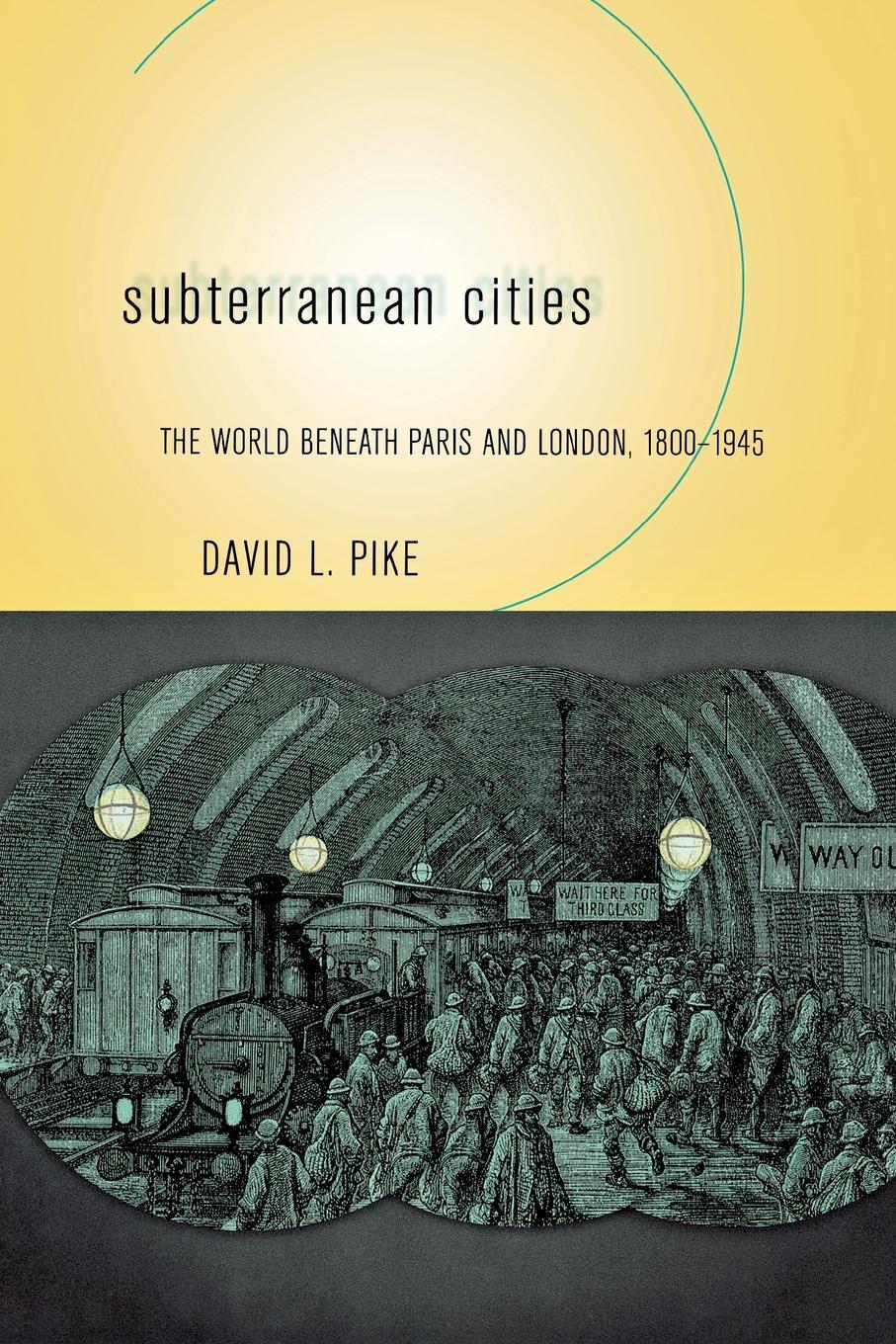
The underground has been a dominant image of modern life since the late eighteenth century. A site of crisis, fascination, and hidden truth, the underground is a space at once more immediate and more threatening than the ordinary world above. In Subterranean Cities, David L. Pike explores the representation of underground space in the nineteenth and early twentieth centuries, a period during which technology and heavy industry transformed urban life.
The metropolis had long been considered a moral underworld of iniquity and dissolution. As the complex drainage systems, underground railways, utility tunnels, and storage vaults of the modern cityscape superseded the countryside of caverns and mines as the principal location of actual subterranean spaces, ancient and modern converged in a mythic space that was nevertheless rooted in the everyday life of the contemporary city. Writers and artists from Felix Nadar and Charles Baudelaire to Charles Dickens and Alice Meynell, Gustave Doré and Victor Hugo, George Gissing and Emile Zola, and Jules Verne and H. G. Wells integrated images of the urban underworld into their portrayals of the anatomy of modern society.
Illustrated with photographs, movie stills, prints, engravings, paintings, cartoons, maps, and drawings of actual and imagined urban spaces, Subterranean Cities documents the emergence of a novel space in the subterranean obsessions and anxieties within nineteenth-century urban culture. Chapters on the subways, sewers, and cemeteries of Paris and London provide a detailed analysis of these competing centers of urban modernity. A concluding chapter considers the enduring influence of these spaces on urban culture at the turn of the twenty-first century.
Before Memmo my notes were scattered across PDFs. Now a workspace pulls everything into one place — I see exactly what's still left to study.
Memmo's summaries are gold before exams. I don't have to re-read 800 pages two weeks before — just the important parts.
The AI chat has saved me the night before an exam more than once. I just keep asking until I get it — no waiting on a study group to reply.
The quizzes hit exactly what I need to know. Memmo tracks what I get stuck on — so I only practice what's worth it.
Flashcards with spaced repetition are magic. Memmo knows when I'm about to forget something and brings it back.
The AI podcasts are my favorite. I listen on my way to school and get a recap without sitting at a computer.

Handbok i kvalitativa metoder
281 kr

Hållbar utveckling: en introduktion för ingenjörer och andra problemlösare
334 kr

Brymans Samhällsvetenskapliga metoder
390 kr

Projektledning
491 kr

Den orättvisa hälsan: om socioekonomiska skillnader i hälsa och livslängd
326 kr

Organizational Leadership
429 kr

Vetenskapsteori för nybörjare
196 kr

På väg mot läraryrket
172 kr

Det sociala livet i skolan: Socialpsykologiska perspektiv
253 kr

Betygsättningens didaktik
151 kr

Personality
402 kr

Studying Leadership
404 kr

Managing Innovation
477 kr

Introduktion till samhällsvetenskaplig metod
347 kr

The Psychology of Sex and Gender
698 kr

Evidens och kunskap för socialt arbete
207 kr

Introduction to Leadership
605 kr