
Before Memmo my notes were scattered across PDFs. Now a workspace pulls everything into one place — I see exactly what's still left to study.
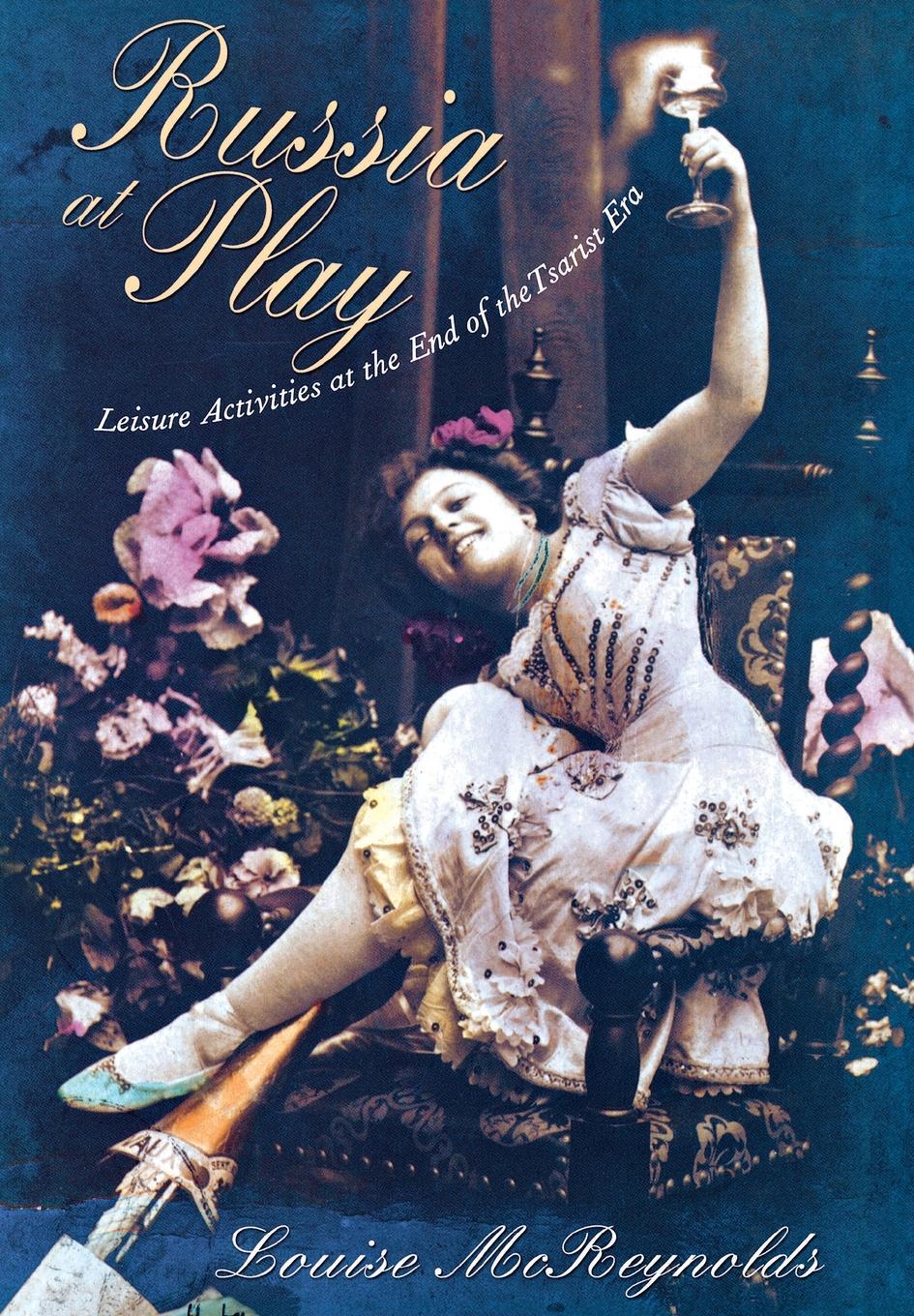
An athlete becomes a movie star; a waiter rises to manage a chain of nightclubs; a movie scenarist takes to writing restaurant reviews. Intrepid women hunt bears, drive in automobile races, and fly, first in balloons and then in airplanes. Sensational crimes jump from city streets onto the screen almost before the pistols have had a chance to cool. Paris in the Twenties? Fitzgerald's New York? Early Hollywood? No, tsarist Russia in the last decades before the Revolution.
In Russia at Play, Louise McReynolds recreates a vibrant, rapidly changing culture in rich detail. Her account encompasses the "legitimate" stage, vaudeville, nightclubs, restaurants, sports, tourism, and the silent movie industry. McReynolds reveals a pluralist and dynamic society, and shows how the new icons of mass culture affected the subsequent gendering of identities.
The rapid industrialization and urbanization of the late tsarist period spawned dramatic social changes—an urban middle class and a voracious consumer culture demanded new forms of entertainment. The result was the rapid incursion of commercial values into the arts and the athletic field and unprecedented degrees of social interaction in the new nightclubs, vaudeville houses, and cheap movie houses. Traditional rules of social conduct shifted to greater self-fulfillment and self-expression, values associated with the individualism and consumerism of liberal capitalism.
Leisure-time activities, McReynolds finds, allowed Russians who partook of them to recreate themselves, to develop a modern identity that allowed for different senses of the self depending on the circumstances. The society that spawned these impulses would disappear in Russia for decades under the combined blows of revolution, civil war, and collectivization, but questions of personal identity are again high on the agenda as Russia makes the transition from a collectivist society to one in which the dominant ethos remains undefined.
Before Memmo my notes were scattered across PDFs. Now a workspace pulls everything into one place — I see exactly what's still left to study.
Memmo's summaries are gold before exams. I don't have to re-read 800 pages two weeks before — just the important parts.
The AI chat has saved me the night before an exam more than once. I just keep asking until I get it — no waiting on a study group to reply.
The quizzes hit exactly what I need to know. Memmo tracks what I get stuck on — so I only practice what's worth it.
Flashcards with spaced repetition are magic. Memmo knows when I'm about to forget something and brings it back.
The AI podcasts are my favorite. I listen on my way to school and get a recap without sitting at a computer.

Handbok i kvalitativa metoder
281 kr

Hållbar utveckling: en introduktion för ingenjörer och andra problemlösare
334 kr

Brymans Samhällsvetenskapliga metoder
390 kr

Projektledning
491 kr

Den orättvisa hälsan: om socioekonomiska skillnader i hälsa och livslängd
326 kr

Organizational Leadership
429 kr

Vetenskapsteori för nybörjare
196 kr

På väg mot läraryrket
172 kr

Det sociala livet i skolan: Socialpsykologiska perspektiv
253 kr

Betygsättningens didaktik
151 kr

Personality
402 kr

Studying Leadership
404 kr

Managing Innovation
477 kr

Introduktion till samhällsvetenskaplig metod
347 kr

The Psychology of Sex and Gender
698 kr

Evidens och kunskap för socialt arbete
207 kr

Introduction to Leadership
605 kr