
Before Memmo my notes were scattered across PDFs. Now a workspace pulls everything into one place — I see exactly what's still left to study.
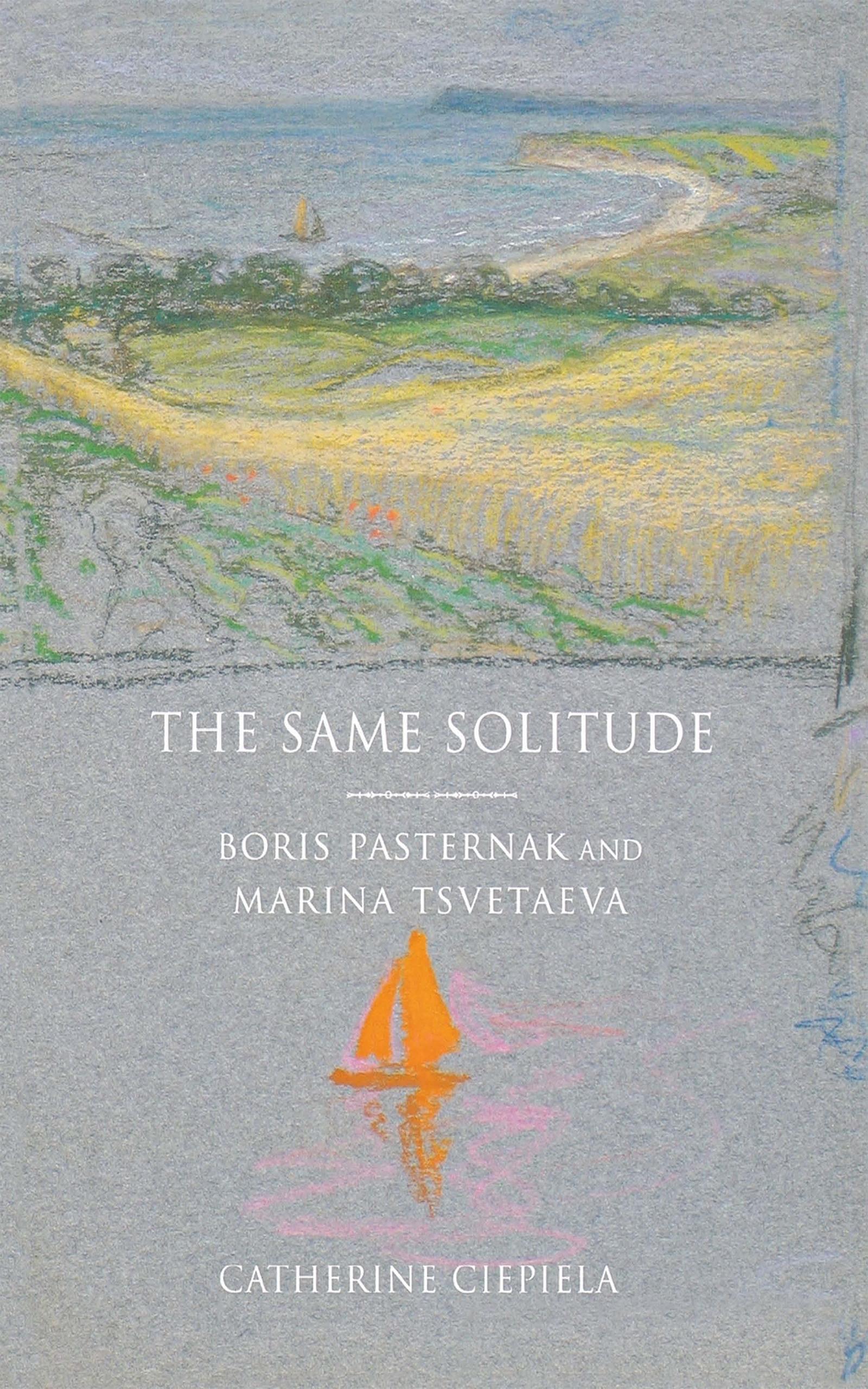
"Still, we have the same solitude, the same journeys and searching, and the same favorite turns in the labyrinth of literature and history."—Boris Pasternak to Marina Tsvetaeva
One of the most compelling episodes of twentieth-century Russian literature involves the epistolary romance that blossomed between the modernist poets Marina Tsvetaeva and Boris Pasternak in the 1920s. Only weeks after Tsvetaeva emigrated from Russia in 1922, Pasternak discovered her poetry and sent her a letter of praise and admiration. Tsvetaeva's enthusiastic response began a decade-long affair, conducted entirely through letters. This correspondence-written across the widening divide separating Soviet Russia from Russian émigrés in continental Europe-offers a view into the overlapping worlds of literary creativity, sexual identity, and political affiliation. Following both sides of their conversation, Catherine Ciepiela charts the poets' changing relations to each other, to the extraordinary political events of the period, and to literature itself. The Same Solitude presents the first full account of this affair of letters and poems from its beginning in the summer of 1922 to its denouement in the 1930s.
Drawing on many previously untranslated letters and poems, Ciepiela describes the poets' mutual influence, both in the course of their lives and the development of their art. Neither poet saw any separation between a poet's life and work, and Ciepiela treats each poet's letters and poems as a single text. She discusses the poets' famous triangular correspondence with Rainer Maria Rilke in 1926, and she addresses the profound significance of Tsvetaeva for Pasternak, who is often perceived (mistakenly, Ciepiela asserts) as the more detached partner. Further, this book expands our understanding of poetic modernism by showing how the poets worked through ideas about gender and writing in the context of what they themselves called a literary "marriage."
Before Memmo my notes were scattered across PDFs. Now a workspace pulls everything into one place — I see exactly what's still left to study.
Memmo's summaries are gold before exams. I don't have to re-read 800 pages two weeks before — just the important parts.
The AI chat has saved me the night before an exam more than once. I just keep asking until I get it — no waiting on a study group to reply.
The quizzes hit exactly what I need to know. Memmo tracks what I get stuck on — so I only practice what's worth it.
Flashcards with spaced repetition are magic. Memmo knows when I'm about to forget something and brings it back.
The AI podcasts are my favorite. I listen on my way to school and get a recap without sitting at a computer.

Handbok i kvalitativa metoder
281 kr

Hållbar utveckling: en introduktion för ingenjörer och andra problemlösare
334 kr

Brymans Samhällsvetenskapliga metoder
390 kr

Projektledning
491 kr

Den orättvisa hälsan: om socioekonomiska skillnader i hälsa och livslängd
326 kr

Vetenskapsteori för nybörjare
196 kr

Organizational Leadership
429 kr

På väg mot läraryrket
172 kr

Det sociala livet i skolan: Socialpsykologiska perspektiv
253 kr

Betygsättningens didaktik
151 kr

Personality
402 kr

Studying Leadership
404 kr

Managing Innovation
477 kr

Introduktion till samhällsvetenskaplig metod
347 kr

The Psychology of Sex and Gender
698 kr

Evidens och kunskap för socialt arbete
207 kr

Introduction to Leadership
605 kr