
Before Memmo my notes were scattered across PDFs. Now a workspace pulls everything into one place — I see exactly what's still left to study.
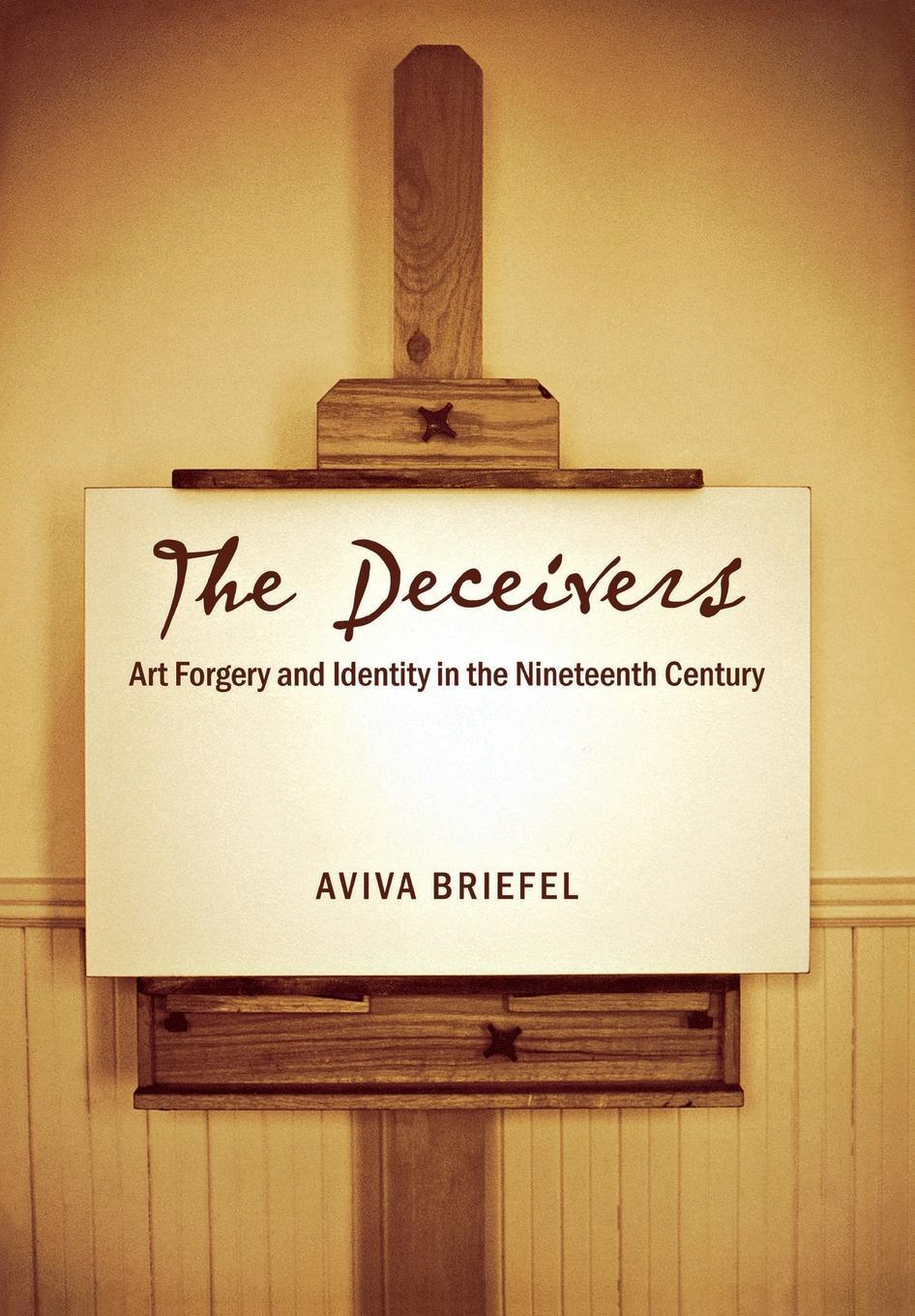
The nineteenth century witnessed an unprecedented increase in art forgery, caused both by the advent of national museums and by a rapidly growing bourgeois interest in collecting objects from the past. This rise had profound repercussions on notions of selfhood and national identity within and outside the realm of art. Although art critics denounced forgery for its affront to artistic traditions, they were fascinated by its power to shape the human and object worlds and adopted a language of art forgery to articulate a link between the making of fakes and the making of selves. The Deceivers explores the intersections among artistic crime, literary narrative, and the definition of identity.
Literary texts joined more specialized artistic discourses in describing the various identities associated with art forgery: the forger, the copyist, the art expert, the dealer, the restorer. Built into new characters were assumptions about gender, sexuality, race, and nationality that themselves would come to be presented in a language of artistic authenticity. Aviva Briefel places special emphasis on the gendered distinction between male forgers and female copyists. "Copying," a benign occupation when undertaken by a woman, became "forgery," laden with criminal intent, when performed by men. Those who could successfully produce, handle, or detect spurious things and selves were distinguished from others who were incapable of distinguishing the authentic from the artistic and human forgeries.
Through close reading of literary narratives such as Trilby and The Marble Faun as well as newspaper accounts of forgery scandals, The Deceivers reveals the identities—both authentic and fake—that emerged from the Victorian culture of forgery.
Before Memmo my notes were scattered across PDFs. Now a workspace pulls everything into one place — I see exactly what's still left to study.
Memmo's summaries are gold before exams. I don't have to re-read 800 pages two weeks before — just the important parts.
The AI chat has saved me the night before an exam more than once. I just keep asking until I get it — no waiting on a study group to reply.
The quizzes hit exactly what I need to know. Memmo tracks what I get stuck on — so I only practice what's worth it.
Flashcards with spaced repetition are magic. Memmo knows when I'm about to forget something and brings it back.
The AI podcasts are my favorite. I listen on my way to school and get a recap without sitting at a computer.

Handbok i kvalitativa metoder
281 kr

Hållbar utveckling: en introduktion för ingenjörer och andra problemlösare
334 kr

Brymans Samhällsvetenskapliga metoder
390 kr

Projektledning
491 kr

Den orättvisa hälsan: om socioekonomiska skillnader i hälsa och livslängd
326 kr

Vetenskapsteori för nybörjare
196 kr

Organizational Leadership
429 kr

På väg mot läraryrket
172 kr

Det sociala livet i skolan: Socialpsykologiska perspektiv
253 kr

Betygsättningens didaktik
151 kr

Personality
402 kr

Studying Leadership
404 kr

Managing Innovation
477 kr

Introduktion till samhällsvetenskaplig metod
347 kr

The Psychology of Sex and Gender
698 kr

Evidens och kunskap för socialt arbete
207 kr

Introduction to Leadership
605 kr