
Before Memmo my notes were scattered across PDFs. Now a workspace pulls everything into one place — I see exactly what's still left to study.
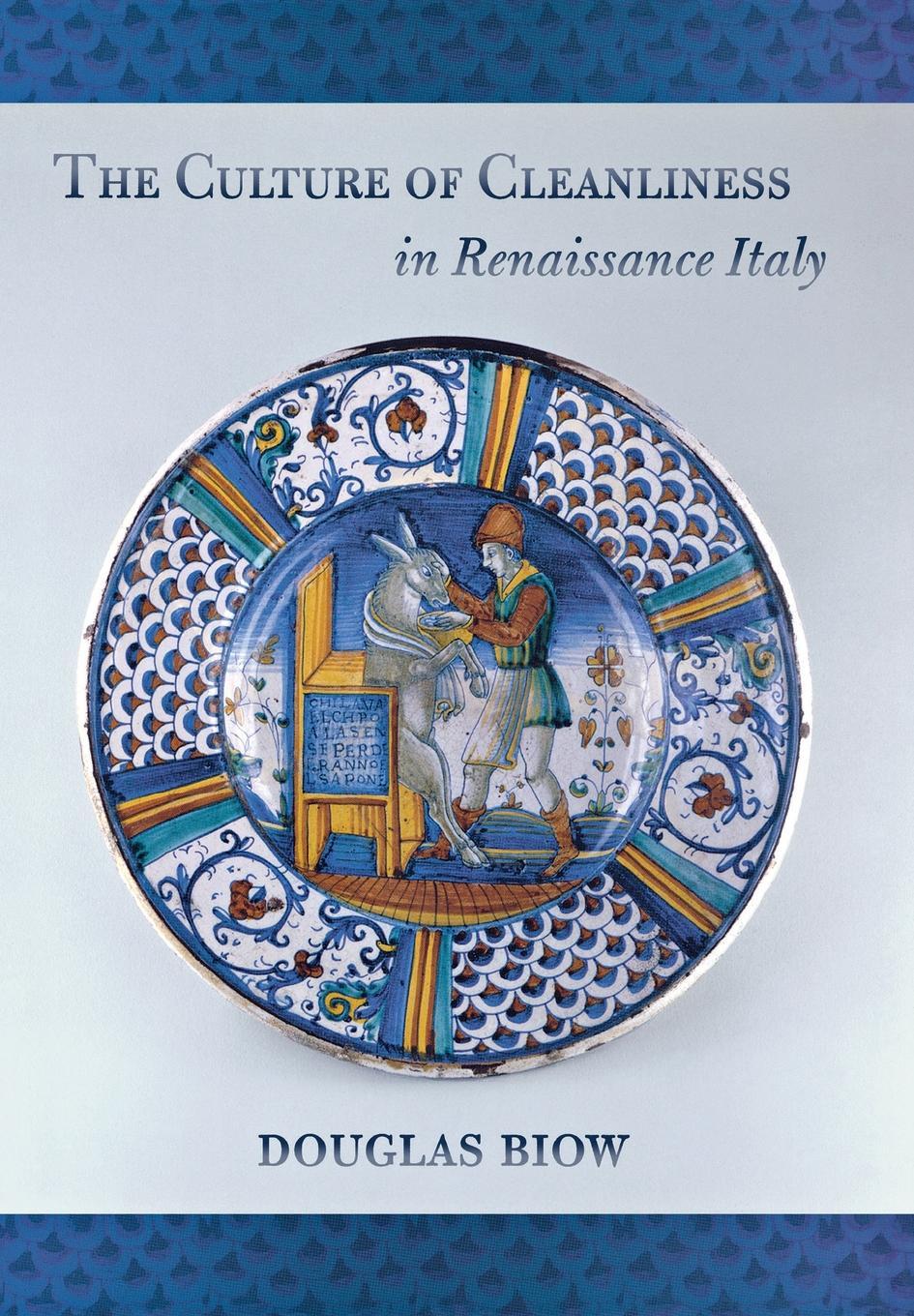
Concerned about sanitation during a severe bout of plague in Milan, Leonardo da Vinci designed an ideal, clean city. Leonardo was far from alone among his contemporaries in thinking about personal and public hygiene, as Douglas Biow shows in The Culture of Cleanliness in Renaissance Italy. A concern for cleanliness, he argues, was everywhere in the Renaissance.
Anxieties about cleanliness were expressed in literature from humanist panegyrics to bawdy carnival songs, as well as in the visual arts. Biow surveys them all to explain why the topic so permeated Renaissance culture. At one level, cleanliness, he documents, was a matter of real concern in the Renaissance. At another, he finds, issues such as human dignity, self-respect, self-discipline, social distinction, and originality were rethought as a matter of artistic concern.
The Culture of Cleanliness in Renaissance Italy moves from the clean to the unclean, from the lofty to the base. Biow first examines the socially elevated, who defined and distinguished themselves as clean, pure, and polite. He then turns to soap, an increasingly common commodity in this period, and the figure of the washerwoman. Finally he focuses on latrines, which were universally scorned yet functioned artistically as figures of baseness, creativity, and fun in the works of Dante and Boccaccio. Paralleling this social stratification is a hierarchy of literary and visual artifacts, from the discourse of high humanism to filthy curses and scatological songs. Deftly bringing together high and low-as well as literary and visual-cultures, this book provides a fresh perspective on the Italian Renaissance and its artistic legacy.
Before Memmo my notes were scattered across PDFs. Now a workspace pulls everything into one place — I see exactly what's still left to study.
Memmo's summaries are gold before exams. I don't have to re-read 800 pages two weeks before — just the important parts.
The AI chat has saved me the night before an exam more than once. I just keep asking until I get it — no waiting on a study group to reply.
The quizzes hit exactly what I need to know. Memmo tracks what I get stuck on — so I only practice what's worth it.
Flashcards with spaced repetition are magic. Memmo knows when I'm about to forget something and brings it back.
The AI podcasts are my favorite. I listen on my way to school and get a recap without sitting at a computer.

Handbok i kvalitativa metoder
281 kr

Hållbar utveckling: en introduktion för ingenjörer och andra problemlösare
334 kr

Brymans Samhällsvetenskapliga metoder
390 kr

Projektledning
491 kr

Den orättvisa hälsan: om socioekonomiska skillnader i hälsa och livslängd
326 kr

Vetenskapsteori för nybörjare
196 kr

Organizational Leadership
429 kr

På väg mot läraryrket
172 kr

Det sociala livet i skolan: Socialpsykologiska perspektiv
253 kr

Betygsättningens didaktik
151 kr

Personality
402 kr

Studying Leadership
404 kr

Managing Innovation
477 kr

Introduktion till samhällsvetenskaplig metod
347 kr

The Psychology of Sex and Gender
698 kr

Evidens och kunskap för socialt arbete
207 kr

Introduction to Leadership
605 kr