
Before Memmo my notes were scattered across PDFs. Now a workspace pulls everything into one place — I see exactly what's still left to study.
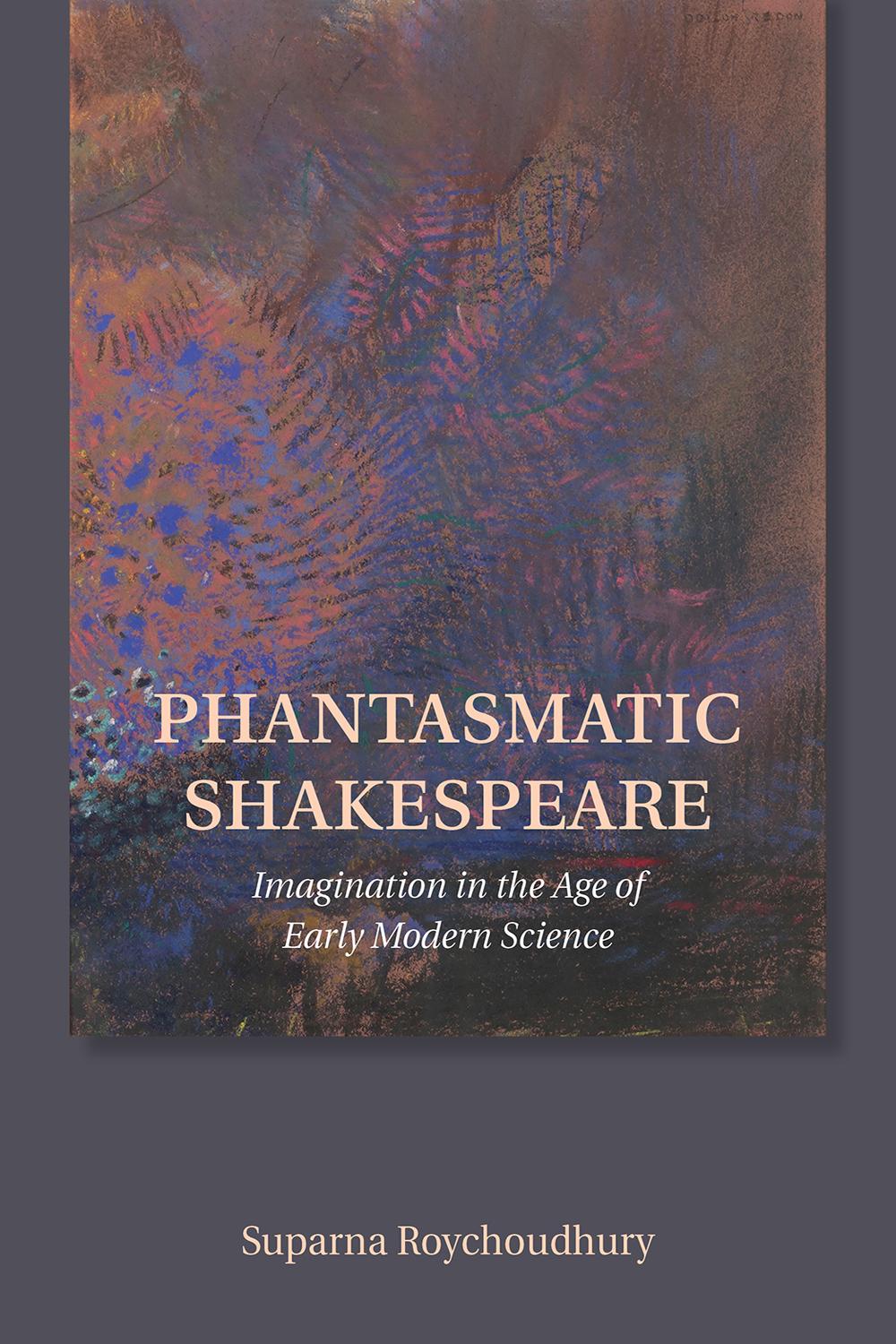
Representations of the mind have a central place in Shakespeare's artistic imagination, as we see in Bottom struggling to articulate his dream, Macbeth reaching for a dagger that is not there, and Prospero humbling his enemies with spectacular illusions. Phantasmatic Shakespeare examines the intersection between early modern literature and early modern understandings of the mind's ability to perceive and imagine. Suparna Roychoudhury argues that Shakespeare's portrayal of the imagination participates in sixteenth-century psychological discourse and reflects also how fields of anatomy, medicine, mathematics, and natural history jolted and reshaped conceptions of mentality. Although the new sciences did not displace the older psychology of phantasms, they inflected how Renaissance natural philosophers and physicians thought and wrote about the brain's image-making faculty. The many hallucinations, illusions, and dreams scattered throughout Shakespeare's works exploit this epistemological ferment, deriving their complexity from the ambiguities raised by early modern science.
Phantasmatic Shakespeare considers aspects of imagination that were destabilized during Shakespeare's period—its place in the brain; its legitimacy as a form of knowledge; its pathologies; its relation to matter, light, and nature—reading these in concert with canonical works such as King Lear, Macbeth, and The Tempest. Shakespeare, Roychoudhury shows, was influenced by paradigmatic epistemic shifts of his time, and he in turn demonstrated how the mysteries of cognition could be the subject of powerful art.
Before Memmo my notes were scattered across PDFs. Now a workspace pulls everything into one place — I see exactly what's still left to study.
Memmo's summaries are gold before exams. I don't have to re-read 800 pages two weeks before — just the important parts.
The AI chat has saved me the night before an exam more than once. I just keep asking until I get it — no waiting on a study group to reply.
The quizzes hit exactly what I need to know. Memmo tracks what I get stuck on — so I only practice what's worth it.
Flashcards with spaced repetition are magic. Memmo knows when I'm about to forget something and brings it back.
The AI podcasts are my favorite. I listen on my way to school and get a recap without sitting at a computer.

Handbok i kvalitativa metoder
281 kr

Hållbar utveckling: en introduktion för ingenjörer och andra problemlösare
334 kr

Brymans Samhällsvetenskapliga metoder
390 kr

Projektledning
491 kr

Den orättvisa hälsan: om socioekonomiska skillnader i hälsa och livslängd
326 kr

Organizational Leadership
429 kr

Vetenskapsteori för nybörjare
196 kr

På väg mot läraryrket
172 kr

Det sociala livet i skolan: Socialpsykologiska perspektiv
253 kr

Betygsättningens didaktik
151 kr

Personality
402 kr

Studying Leadership
404 kr

Managing Innovation
477 kr

Introduktion till samhällsvetenskaplig metod
347 kr

The Psychology of Sex and Gender
698 kr

Evidens och kunskap för socialt arbete
207 kr

Introduction to Leadership
605 kr