
Before Memmo my notes were scattered across PDFs. Now a workspace pulls everything into one place — I see exactly what's still left to study.
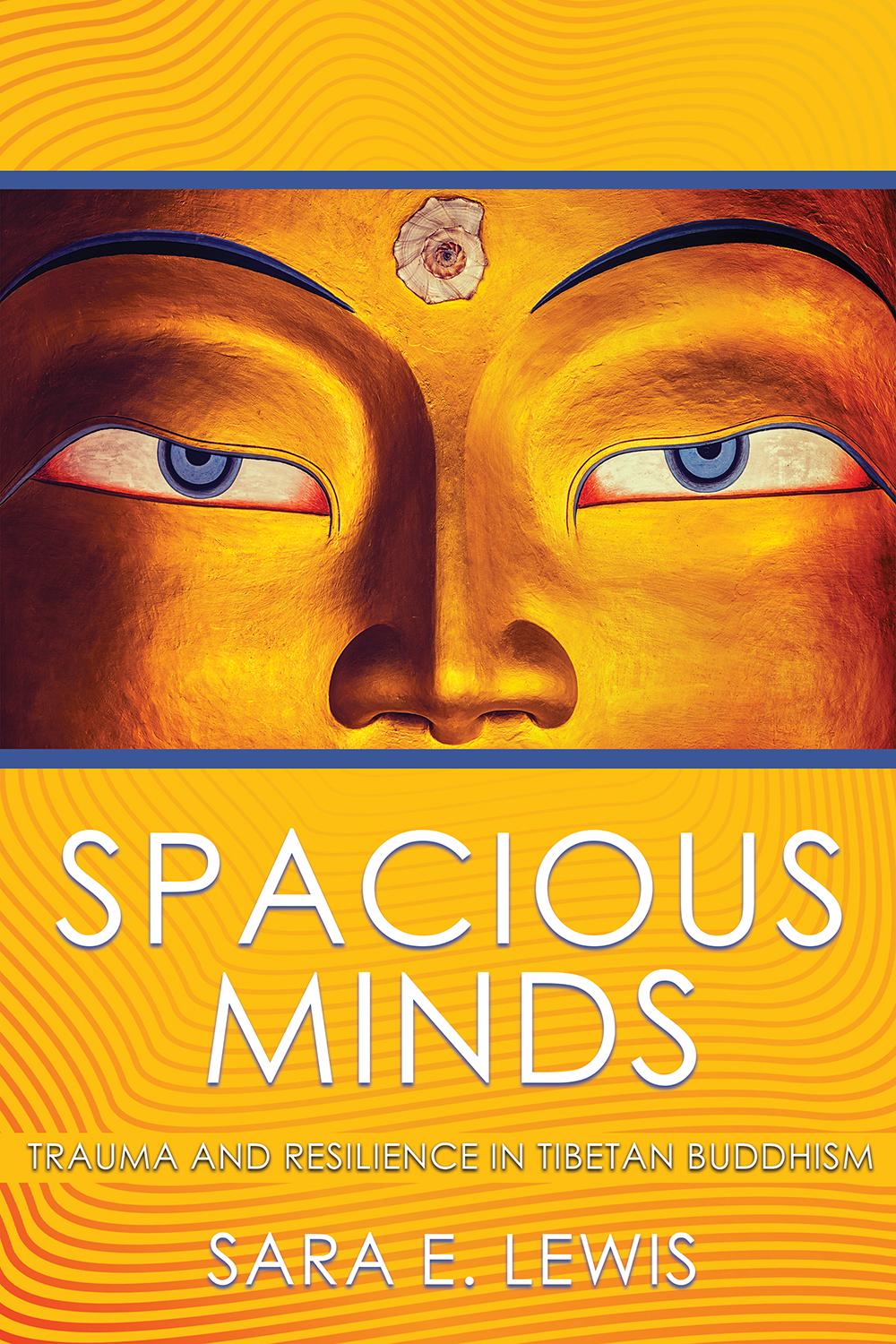
Spacious Minds argues that resilience is not a mere absence of suffering. Sara E. Lewis's research reveals how those who cope most gracefully may indeed experience deep pain and loss. Looking at the Tibetan diaspora, she challenges perspectives that liken resilience to the hardiness of physical materials, suggesting people should "bounce back" from adversity. More broadly, this ethnography calls into question the tendency to use trauma as an organizing principle for all studies of conflict where suffering is understood as an individual problem rooted in psychiatric illness.
Beyond simply articulating the ways that Tibetan categories of distress are different from biomedical ones, Spacious Minds shows how Tibetan Buddhism frames new possibilities for understanding resilience. Here, the social and religious landscape encourages those exposed to violence to see past events as impermanent and illusory, where debriefing, working-through, or processing past events only solidifies suffering and may even cause illness. Resilience in Dharamsala is understood as sems pa chen po, a vast and spacious mind that does not fixate on individual problems, but rather uses suffering as an opportunity to generate compassion for others in the endless cycle of samsara. A big mind view helps to see suffering in life as ordinary. And yet, an intriguing paradox occurs. As Lewis deftly demonstrates, Tibetans in exile have learned that human rights campaigns are predicated on the creation and circulation of the trauma narrative; in this way, Tibetan activists utilize foreign trauma discourse, not for psychological healing, but as a political device and act of agency.
Before Memmo my notes were scattered across PDFs. Now a workspace pulls everything into one place — I see exactly what's still left to study.
Memmo's summaries are gold before exams. I don't have to re-read 800 pages two weeks before — just the important parts.
The AI chat has saved me the night before an exam more than once. I just keep asking until I get it — no waiting on a study group to reply.
The quizzes hit exactly what I need to know. Memmo tracks what I get stuck on — so I only practice what's worth it.
Flashcards with spaced repetition are magic. Memmo knows when I'm about to forget something and brings it back.
The AI podcasts are my favorite. I listen on my way to school and get a recap without sitting at a computer.

Handbok i kvalitativa metoder
281 kr

Hållbar utveckling: en introduktion för ingenjörer och andra problemlösare
334 kr

Brymans Samhällsvetenskapliga metoder
390 kr

Projektledning
491 kr

Den orättvisa hälsan: om socioekonomiska skillnader i hälsa och livslängd
326 kr

Vetenskapsteori för nybörjare
196 kr

Organizational Leadership
429 kr

På väg mot läraryrket
172 kr

Det sociala livet i skolan: Socialpsykologiska perspektiv
253 kr

Betygsättningens didaktik
151 kr

Personality
402 kr

Studying Leadership
404 kr

Managing Innovation
477 kr

Introduktion till samhällsvetenskaplig metod
347 kr

The Psychology of Sex and Gender
698 kr

Evidens och kunskap för socialt arbete
207 kr

Introduction to Leadership
605 kr