
Before Memmo my notes were scattered across PDFs. Now a workspace pulls everything into one place — I see exactly what's still left to study.
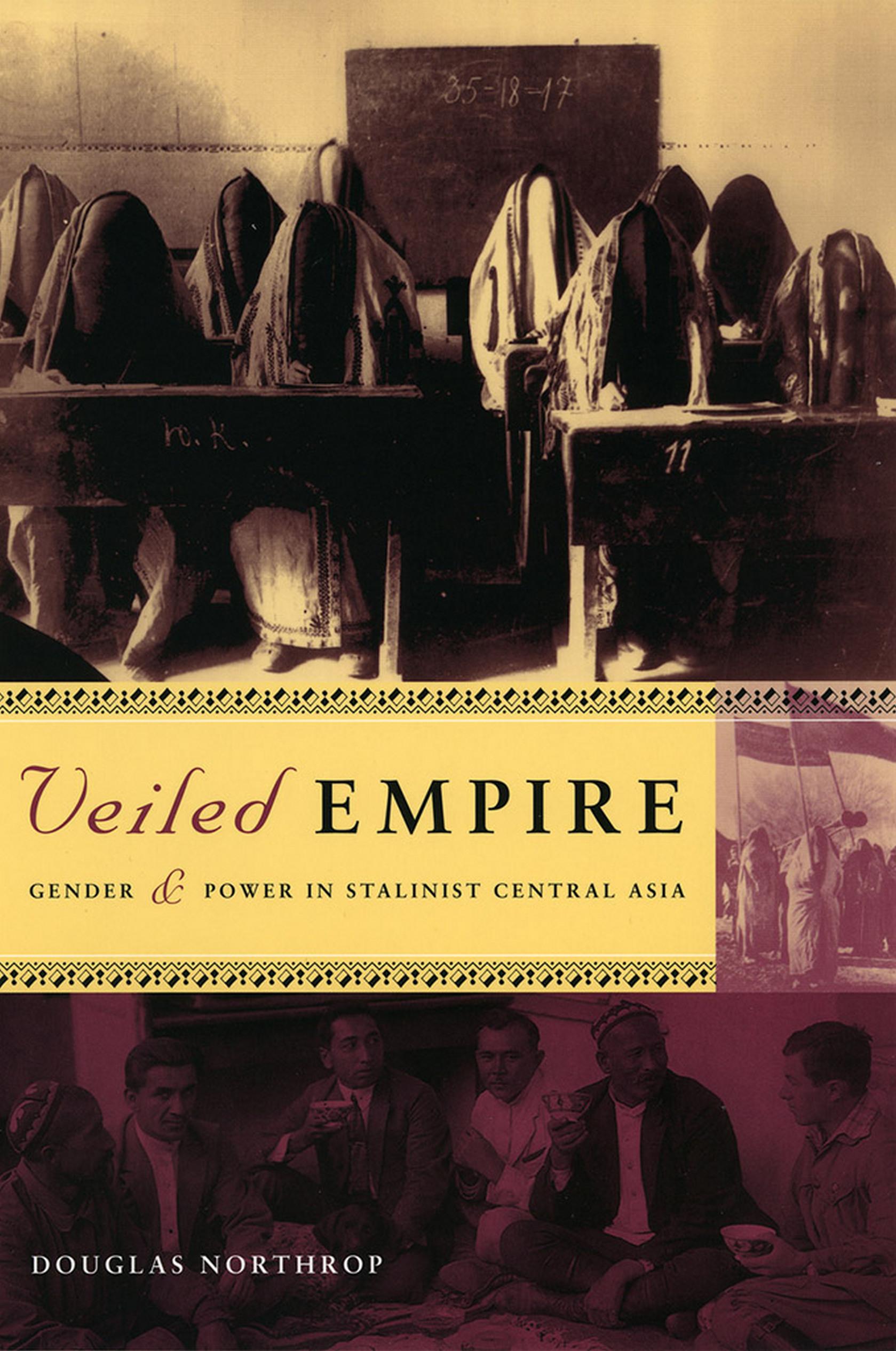
Drawing on extensive research in the archives of Russia and Uzbekistan, Douglas Northrop here reconstructs the turbulent history of a Soviet campaign that sought to end the seclusion of Muslim women. In Uzbekistan it focused above all on a massive effort to eliminate the heavy horsehair-and-cotton veils worn by many women and girls. This campaign against the veil was, in Northrop's view, emblematic of the larger Soviet attempt to bring the proletarian revolution to Muslim Central Asia, a region Bolsheviks saw as primitive and backward. The Soviets focused on women and the family in an effort to forge a new, "liberated" social order.
This unveiling campaign, however, took place in the context of a half-century of Russian colonization and the long-standing suspicion of rural Muslim peasants toward an urban, colonial state. Widespread resistance to the idea of unveiling quickly appeared and developed into a broader anti-Soviet animosity among Uzbeks of both sexes. Over the next quarter-century a bitter and often violent confrontation ensued, with battles being waged over indigenous practices of veiling and seclusion.
New local and national identities coalesced around these very practices that had been placed under attack. Veils became powerful anticolonial symbols for the Uzbek nation as well as important markers of Muslim propriety. Bolshevik leaders, who had seen this campaign as an excellent way to enlist allies while proving their own European credentials as enlightened reformers, thus inadvertently strengthened the seclusion of Uzbek women—precisely the reverse of what they set out to do. Northrop's fascinating and evocative book shows both the fluidity of Central Asian cultural practices and the real limits that existed on Stalinist authority, even during the ostensibly totalitarian 1930s.
Before Memmo my notes were scattered across PDFs. Now a workspace pulls everything into one place — I see exactly what's still left to study.
Memmo's summaries are gold before exams. I don't have to re-read 800 pages two weeks before — just the important parts.
The AI chat has saved me the night before an exam more than once. I just keep asking until I get it — no waiting on a study group to reply.
The quizzes hit exactly what I need to know. Memmo tracks what I get stuck on — so I only practice what's worth it.
Flashcards with spaced repetition are magic. Memmo knows when I'm about to forget something and brings it back.
The AI podcasts are my favorite. I listen on my way to school and get a recap without sitting at a computer.

Handbok i kvalitativa metoder
281 kr

Hållbar utveckling: en introduktion för ingenjörer och andra problemlösare
334 kr

Brymans Samhällsvetenskapliga metoder
390 kr

Projektledning
491 kr

Den orättvisa hälsan: om socioekonomiska skillnader i hälsa och livslängd
326 kr

Organizational Leadership
429 kr

Vetenskapsteori för nybörjare
196 kr

På väg mot läraryrket
172 kr

Det sociala livet i skolan: Socialpsykologiska perspektiv
253 kr

Betygsättningens didaktik
151 kr

Personality
402 kr

Studying Leadership
404 kr

Managing Innovation
477 kr

Introduktion till samhällsvetenskaplig metod
347 kr

The Psychology of Sex and Gender
698 kr

Evidens och kunskap för socialt arbete
207 kr

Introduction to Leadership
605 kr