
Before Memmo my notes were scattered across PDFs. Now a workspace pulls everything into one place — I see exactly what's still left to study.
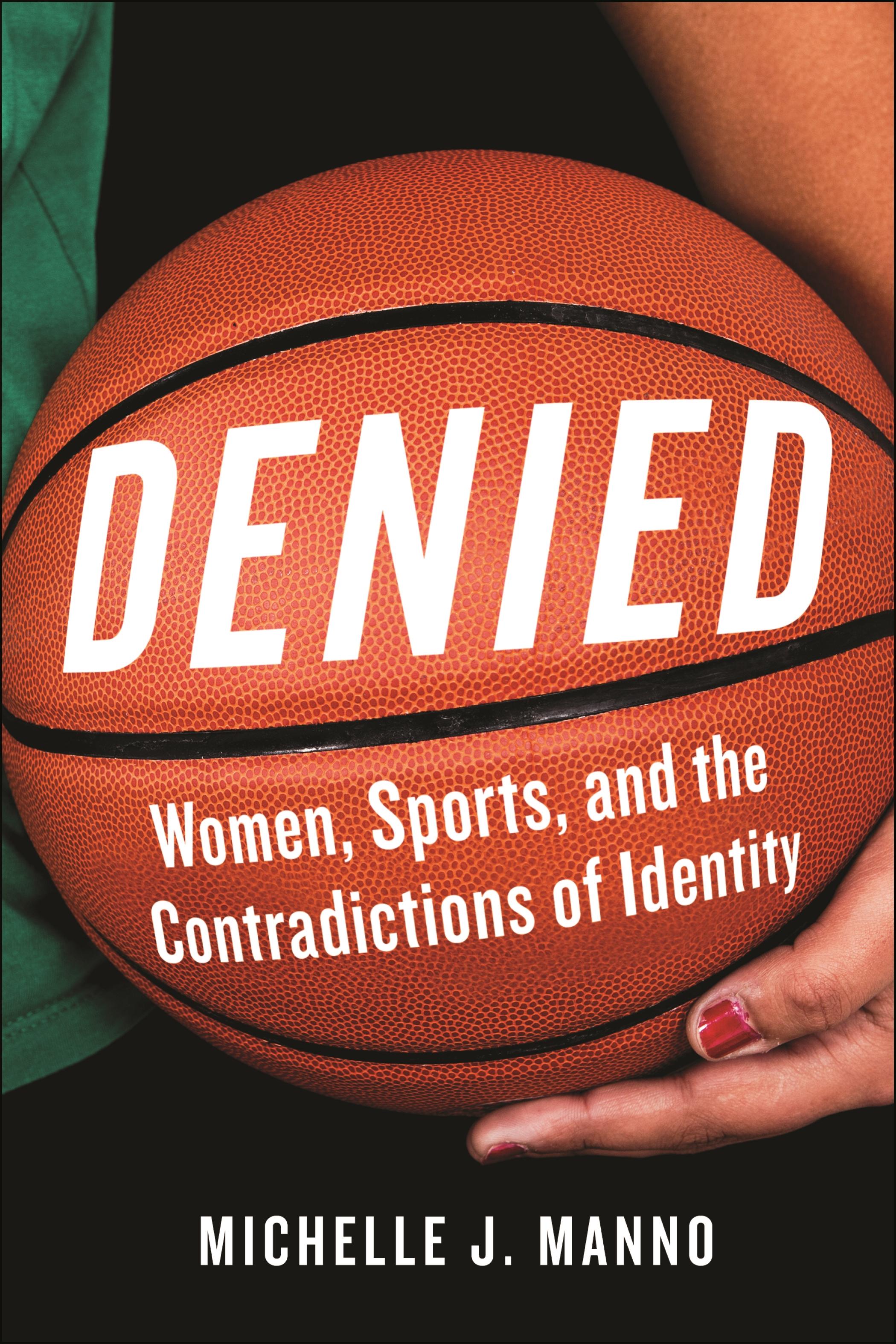
A courtside view of how women athletes’ identities are policed, on and off the court
Women’s college basketball is big business—top teams bring in millions of dollars in revenue for their schools. Women’s NCAA games are broadcast regularly on sports networks, and many of the top players and coaches are household names. Yet these athletes face immense pressure to be more than successful at their sport. They must also conform to expectations about gender, sexuality, and race—expectations that are often in direct contrast to success in the game. They are not supposed to have muscles that are too big, they are not supposed to be too tough, they are not supposed to be too masculine or “look like men,” and they are not supposed to be queer.
A former college athlete herself, Michelle J. Manno spent a full season with a highly competitive NCAA Division I women’s basketball program as one of the team’s managers. In vivid detail, she takes us on the court, on the team bus, into the locker room, and to championship games to show the intense dedication that these women give to the game. She found, perhaps unsurprisingly, that these extremely talented women were strictly policed around the presentation of their gender and sexuality, especially the athletes who were Black. They were routinely monitored, banned from engaging in certain activities, and often punished for behavior that put their queerness, Blackness, and masculinity on display. Convincingly conforming to conventional expectations of gender and sexuality—from the clothes they wore to the people they dated—was yet another challenge at which they needed to excel. Importantly, Manno also highlights several well-known contemporary professional athletes—Brittney Griner, Serena Williams, Gabby Douglas, and Caster Semenya, among others—to show that fame and performing at the highest levels in sport does not protect women athletes from having to navigate the conflicting and often contradictory expectations of identity.
A riveting portrait of an elite basketball program, Denied will forever change our understanding of women athletes and the sports they play.
Before Memmo my notes were scattered across PDFs. Now a workspace pulls everything into one place — I see exactly what's still left to study.
Memmo's summaries are gold before exams. I don't have to re-read 800 pages two weeks before — just the important parts.
The AI chat has saved me the night before an exam more than once. I just keep asking until I get it — no waiting on a study group to reply.
The quizzes hit exactly what I need to know. Memmo tracks what I get stuck on — so I only practice what's worth it.
Flashcards with spaced repetition are magic. Memmo knows when I'm about to forget something and brings it back.
The AI podcasts are my favorite. I listen on my way to school and get a recap without sitting at a computer.

Handbok i kvalitativa metoder
281 kr

Hållbar utveckling: en introduktion för ingenjörer och andra problemlösare
334 kr

Brymans Samhällsvetenskapliga metoder
390 kr

Projektledning
491 kr

Den orättvisa hälsan: om socioekonomiska skillnader i hälsa och livslängd
326 kr

Organizational Leadership
429 kr

Vetenskapsteori för nybörjare
196 kr

På väg mot läraryrket
172 kr

Det sociala livet i skolan: Socialpsykologiska perspektiv
253 kr

Betygsättningens didaktik
151 kr

Personality
402 kr

Studying Leadership
404 kr

Managing Innovation
477 kr

Introduktion till samhällsvetenskaplig metod
347 kr

The Psychology of Sex and Gender
698 kr

Evidens och kunskap för socialt arbete
207 kr

Introduction to Leadership
605 kr