
Before Memmo my notes were scattered across PDFs. Now a workspace pulls everything into one place — I see exactly what's still left to study.
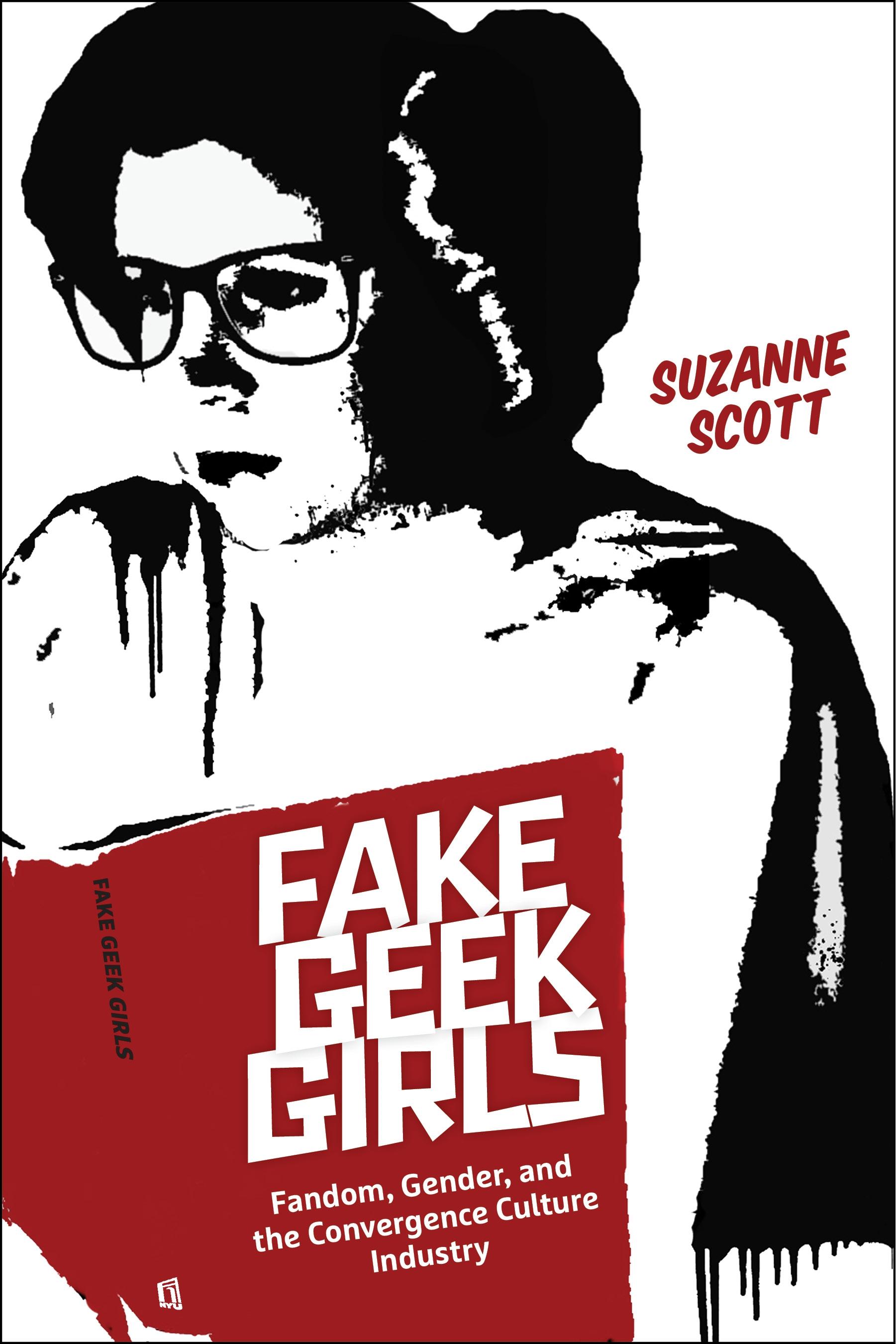
Reveals the systematic marginalization of women within pop culture fan communities
When Ghostbusters returned to the screen in 2016, some male fans of the original film boycotted the all-female adaptation of the cult classic, turning to Twitter to express their disapproval and making it clear that they considered the film’s “real” fans to be white, straight men. While extreme, these responses are far from unusual, with similar uproars around the female protagonists of the new Star Wars films to full-fledged geek culture wars and harassment campaigns, as exemplified by the #GamerGate controversy that began in 2014.
Over the past decade, fan and geek culture has moved from the margins to the mainstream as fans have become tastemakers and promotional partners, with fan art transformed into official merchandise and fan fiction launching new franchises. But this shift has left some people behind. Suzanne Scott points to the ways in which the “men’s rights” movement and antifeminist pushback against “social justice warriors” connect to new mainstream fandom, where female casting in geek-nostalgia reboots is vilified and historically feminized forms of fan engagement—like cosplay and fan fiction—are treated as less worthy than male-dominant expressions of fandom like collection, possession, and cataloguing. While this gender bias harkens back to the origins of fandom itself, Fake Geek Girls contends that the current view of women in fandom as either inauthentic masqueraders or unwelcome interlopers has been tacitly endorsed by Hollywood franchises and the viewer demographics they selectively champion. It offers a view into the inner workings of how digital fan culture converges with old media and its biases in new and novel ways.
Before Memmo my notes were scattered across PDFs. Now a workspace pulls everything into one place — I see exactly what's still left to study.
Memmo's summaries are gold before exams. I don't have to re-read 800 pages two weeks before — just the important parts.
The AI chat has saved me the night before an exam more than once. I just keep asking until I get it — no waiting on a study group to reply.
The quizzes hit exactly what I need to know. Memmo tracks what I get stuck on — so I only practice what's worth it.
Flashcards with spaced repetition are magic. Memmo knows when I'm about to forget something and brings it back.
The AI podcasts are my favorite. I listen on my way to school and get a recap without sitting at a computer.

Handbok i kvalitativa metoder
281 kr

Hållbar utveckling: en introduktion för ingenjörer och andra problemlösare
334 kr

Brymans Samhällsvetenskapliga metoder
390 kr

Projektledning
491 kr

Den orättvisa hälsan: om socioekonomiska skillnader i hälsa och livslängd
326 kr

Vetenskapsteori för nybörjare
196 kr

Organizational Leadership
429 kr

På väg mot läraryrket
172 kr

Det sociala livet i skolan: Socialpsykologiska perspektiv
253 kr

Betygsättningens didaktik
151 kr

Personality
402 kr

Studying Leadership
404 kr

Managing Innovation
477 kr

Introduktion till samhällsvetenskaplig metod
347 kr

The Psychology of Sex and Gender
698 kr

Evidens och kunskap för socialt arbete
207 kr

Introduction to Leadership
605 kr