
Before Memmo my notes were scattered across PDFs. Now a workspace pulls everything into one place — I see exactly what's still left to study.
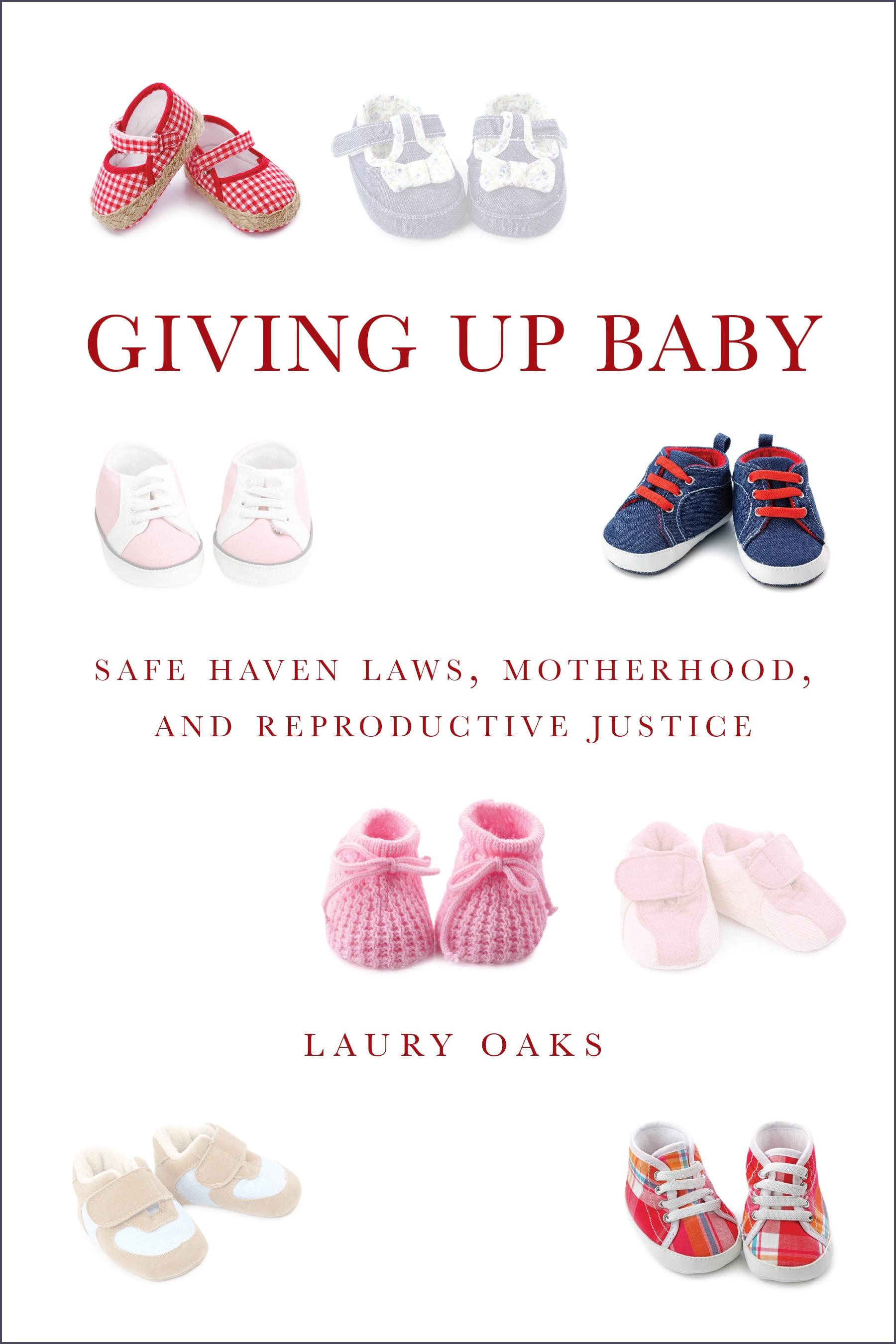
“Baby safe haven” laws, which allow a parent to relinquish a newborn baby legally and anonymously at a specified institutional location—such as a hospital or fire station—were established in every state between 1999 and 2009. Promoted during a time of heated public debate over policies on abortion, sex education, teen pregnancy, adoption, welfare, immigrant reproduction, and child abuse, safe haven laws were passed by the majority of states with little contest. These laws were thought to offer a solution to the consequences of unwanted pregnancies: mothers would no longer be burdened with children they could not care for, and newborn babies would no longer be abandoned in dumpsters.
Yet while these laws are well meaning, they ignore the real problem: some women lack key social and economic supports that mothers need to raise children. Safe haven laws do little to help disadvantaged women. Instead,
advocates of safe haven laws target teenagers, women of color, and poor women with safe haven information and see relinquishing custody of their newborns as an act of maternal love. Disadvantaged women are preemptively judged as “bad” mothers whose babies would be better off without them.
Laury Oaks argues that the labeling of certain kinds of women as potential “bad” mothers who should consider anonymously giving up their newborns for adoption into a “loving” home should best be understood as an issue of reproductive justice. Safe haven discourses promote narrow images of who deserves to be a mother and reflect restrictive views on how we should treat women experiencing unwanted pregnancy.
Before Memmo my notes were scattered across PDFs. Now a workspace pulls everything into one place — I see exactly what's still left to study.
Memmo's summaries are gold before exams. I don't have to re-read 800 pages two weeks before — just the important parts.
The AI chat has saved me the night before an exam more than once. I just keep asking until I get it — no waiting on a study group to reply.
The quizzes hit exactly what I need to know. Memmo tracks what I get stuck on — so I only practice what's worth it.
Flashcards with spaced repetition are magic. Memmo knows when I'm about to forget something and brings it back.
The AI podcasts are my favorite. I listen on my way to school and get a recap without sitting at a computer.

Handbok i kvalitativa metoder
281 kr

Hållbar utveckling: en introduktion för ingenjörer och andra problemlösare
334 kr

Brymans Samhällsvetenskapliga metoder
390 kr

Projektledning
491 kr

Den orättvisa hälsan: om socioekonomiska skillnader i hälsa och livslängd
326 kr

Vetenskapsteori för nybörjare
196 kr

Organizational Leadership
429 kr

På väg mot läraryrket
172 kr

Det sociala livet i skolan: Socialpsykologiska perspektiv
253 kr

Betygsättningens didaktik
151 kr

Personality
402 kr

Studying Leadership
404 kr

Managing Innovation
477 kr

Introduktion till samhällsvetenskaplig metod
347 kr

The Psychology of Sex and Gender
698 kr

Evidens och kunskap för socialt arbete
207 kr

Introduction to Leadership
605 kr