
Before Memmo my notes were scattered across PDFs. Now a workspace pulls everything into one place — I see exactly what's still left to study.
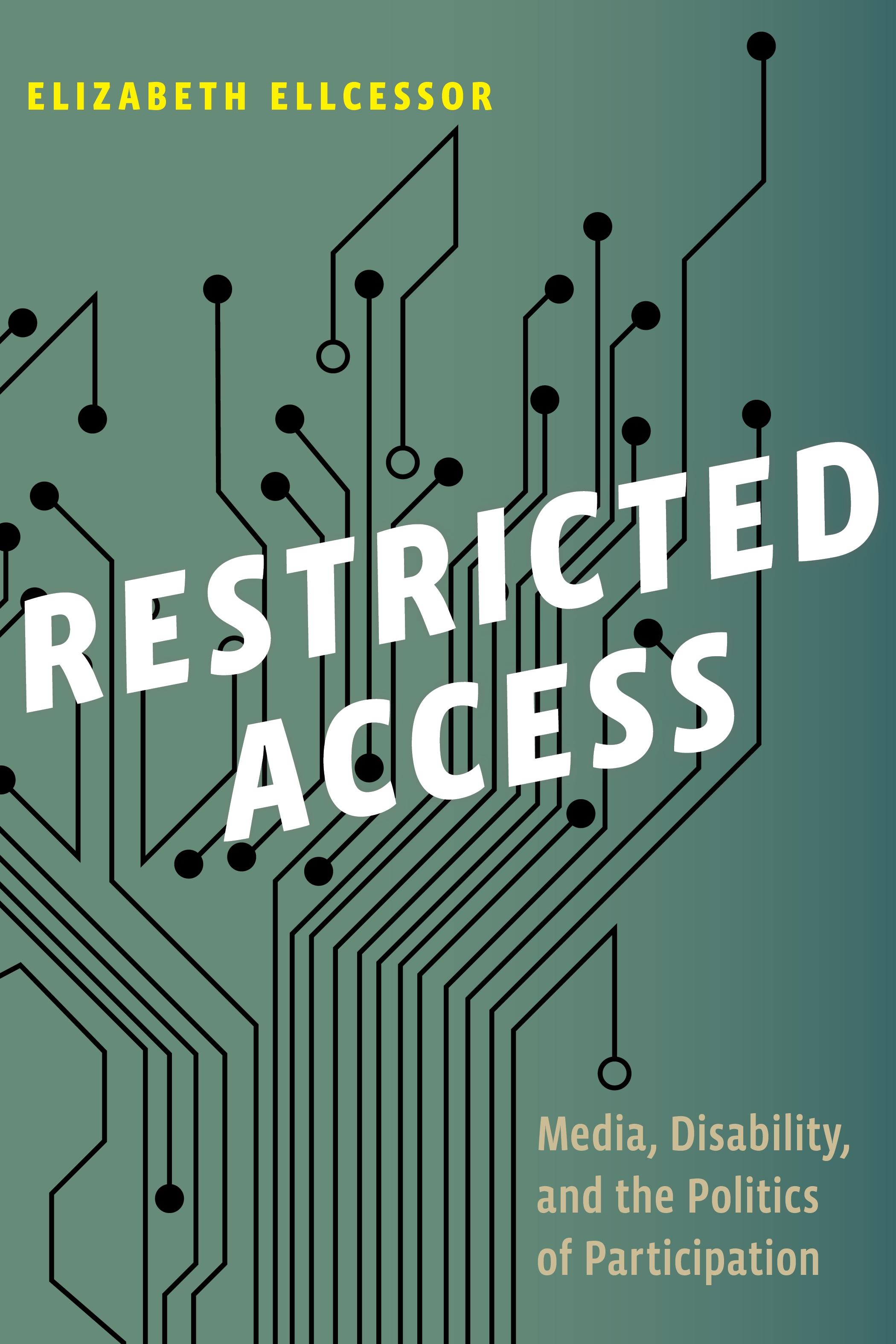
How reconsidering digital media and participatory cultures from the standpoint of disability allows for a full understanding of accessibility.
While digital media can offer many opportunities for civic and cultural participation, this technology is not equally easy for everyone to use. Hardware, software, and cultural expectations combine to make some technologies an easier fit for some bodies than for others. A YouTube video without closed captions or a social network site that is incompatible with a screen reader can restrict the access of users who are hard of hearing or visually impaired. Often, people with disabilities require accommodation, assistive technologies, or other forms of aid to make digital media accessible—useable—for them.
Restricted Access investigates digital media accessibility—the processes by which media is made usable by people with particular needs—and argues for the necessity of conceptualizing access in a way that will enable greater participation in all forms of mediated culture. Drawing on disability and cultural studies, Elizabeth Ellcessor uses an interrogatory framework based around issues of regulation, use, content, form, and experience to examine contemporary digital media. Through interviews with policy makers and accessibility professionals, popular culture and archival materials, and an ethnographic study of internet use by people with disabilities, Ellcessor reveals the assumptions that undergird contemporary technologies and participatory cultures. Restricted Access makes the crucial point that if digital media open up opportunities for individuals to create and participate, but that technology only facilitates the participation of those who are already privileged, then its progressive potential remains unrealized. Engagingly written with powerful examples, Ellcessor demonstrates the importance of alternate uses, marginalized voices, and invisible innovations in the context of disability identities to push us to rethink digital media accessibility.
Before Memmo my notes were scattered across PDFs. Now a workspace pulls everything into one place — I see exactly what's still left to study.
Memmo's summaries are gold before exams. I don't have to re-read 800 pages two weeks before — just the important parts.
The AI chat has saved me the night before an exam more than once. I just keep asking until I get it — no waiting on a study group to reply.
The quizzes hit exactly what I need to know. Memmo tracks what I get stuck on — so I only practice what's worth it.
Flashcards with spaced repetition are magic. Memmo knows when I'm about to forget something and brings it back.
The AI podcasts are my favorite. I listen on my way to school and get a recap without sitting at a computer.

Handbok i kvalitativa metoder
281 kr

Hållbar utveckling: en introduktion för ingenjörer och andra problemlösare
334 kr

Brymans Samhällsvetenskapliga metoder
390 kr

Projektledning
491 kr

Den orättvisa hälsan: om socioekonomiska skillnader i hälsa och livslängd
326 kr

Vetenskapsteori för nybörjare
196 kr

Organizational Leadership
429 kr

På väg mot läraryrket
172 kr

Det sociala livet i skolan: Socialpsykologiska perspektiv
253 kr

Betygsättningens didaktik
151 kr

Personality
402 kr

Studying Leadership
404 kr

Managing Innovation
477 kr

Introduktion till samhällsvetenskaplig metod
347 kr

The Psychology of Sex and Gender
698 kr

Evidens och kunskap för socialt arbete
207 kr

Introduction to Leadership
605 kr