
Before Memmo my notes were scattered across PDFs. Now a workspace pulls everything into one place — I see exactly what's still left to study.
PROSE Award- Media and Cultural Studies Finalist
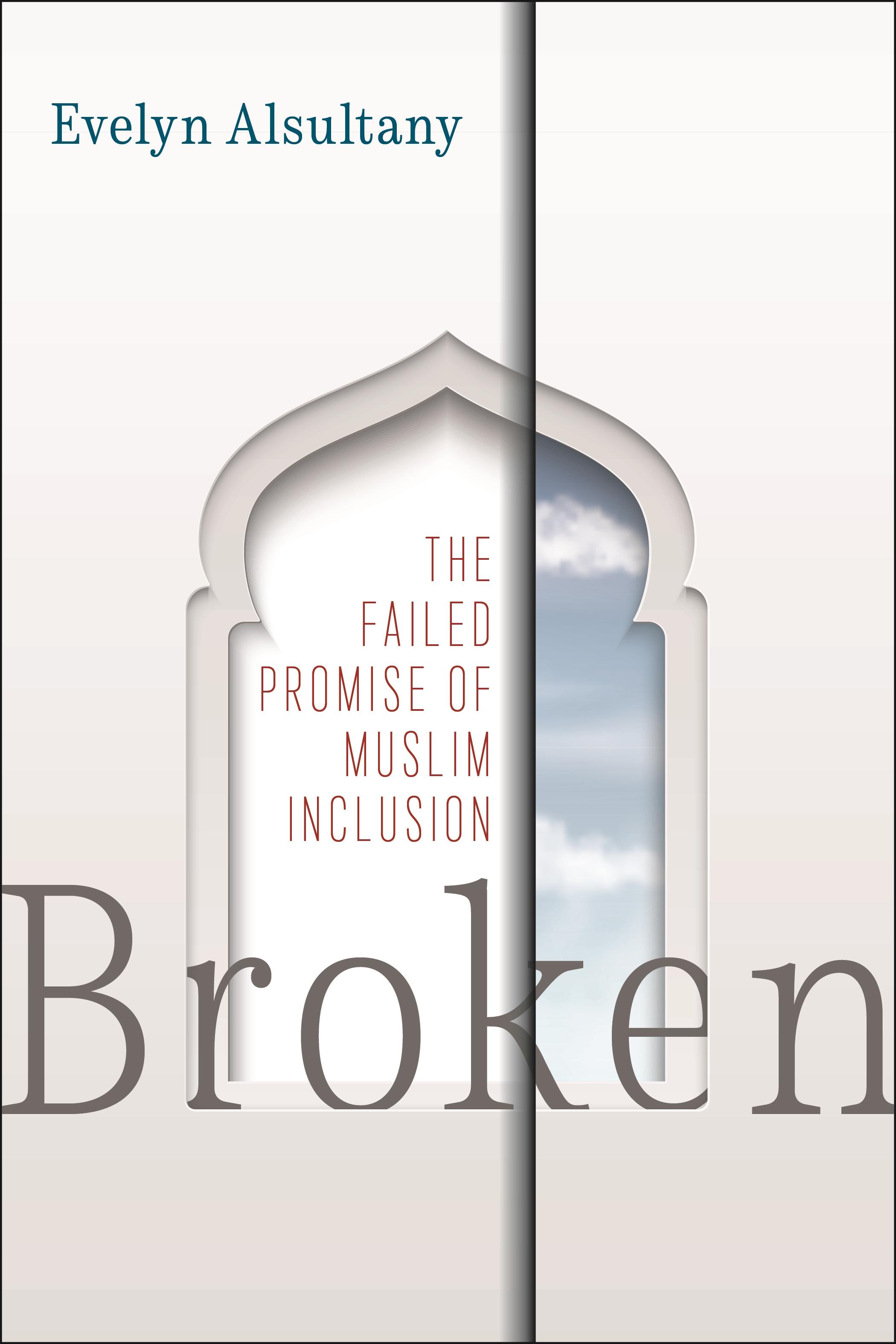
How diversity initiatives end up marginalizing Arab Americans and US Muslims
One of Donald Trump’s first actions as President was to sign an executive order to limit Muslim immigration to the United States, a step toward the “complete shutdown of Muslims entering the United States” he had campaigned on. This extraordinary act of Islamophobia provoked unprecedented opposition: Hollywood movies and mainstream television shows began to feature more Muslim characters in contexts other than terrorism; universities and private businesses included Muslims in their diversity initiatives; and the criminal justice system took hate crimes against Muslims more seriously. Yet Broken argues that, even amid this challenge to institutionalized Islamophobia, diversity initiatives fail on their promise by only focusing on crisis moments.
Evelyn Alsultany argues that Muslims get included through “crisis diversity,” where high-profile Islamophobic incidents are urgently responded to and then ignored until the next crisis. In the popular cultural arena of television, this means interrogating even those representations of Muslims that others have celebrated as refreshingly positive. What kind of message does it send, for example, when a growing number of “good Muslims” on TV seem to have arrived there, ironically, only after leaving the faith? In the realm of corporations, she critically examines the firing of high-profile individuals for anti-Muslim speech—a remedy that rebrands corporations as anti-racist while institutional racism remains intact. At universities, Muslim students get included in diversity, equity, and inclusion plans but that gets disrupted if they are involved in Palestinian rights activism. Finally, she turns to hate crime laws revealing how they fail to address root causes.
In each of these arenas, Alsultany finds an institutional pattern that defangs the promise of Muslim inclusion, deferring systemic change until and through the next “crisis.”
Before Memmo my notes were scattered across PDFs. Now a workspace pulls everything into one place — I see exactly what's still left to study.
Memmo's summaries are gold before exams. I don't have to re-read 800 pages two weeks before — just the important parts.
The AI chat has saved me the night before an exam more than once. I just keep asking until I get it — no waiting on a study group to reply.
The quizzes hit exactly what I need to know. Memmo tracks what I get stuck on — so I only practice what's worth it.
Flashcards with spaced repetition are magic. Memmo knows when I'm about to forget something and brings it back.
The AI podcasts are my favorite. I listen on my way to school and get a recap without sitting at a computer.

Handbok i kvalitativa metoder
281 kr

Hållbar utveckling: en introduktion för ingenjörer och andra problemlösare
334 kr

Brymans Samhällsvetenskapliga metoder
390 kr

Projektledning
491 kr

Den orättvisa hälsan: om socioekonomiska skillnader i hälsa och livslängd
326 kr

Vetenskapsteori för nybörjare
196 kr

Organizational Leadership
429 kr

På väg mot läraryrket
172 kr

Det sociala livet i skolan: Socialpsykologiska perspektiv
253 kr

Betygsättningens didaktik
151 kr

Personality
402 kr

Studying Leadership
404 kr

Managing Innovation
477 kr

Introduktion till samhällsvetenskaplig metod
347 kr

The Psychology of Sex and Gender
698 kr

Evidens och kunskap för socialt arbete
207 kr

Introduction to Leadership
605 kr